Traveling for work brings unique challenges that leisure vacationers rarely face. Delays, lost luggage, and unexpected medical emergencies can quickly turn a highly productive trip into a stressful financial ordeal. You are often operating on a tight schedule, navigating unfamiliar cities, and carrying thousands of dollars in company equipment. Understanding your insurance options ensures you stay protected while managing these professional responsibilities.
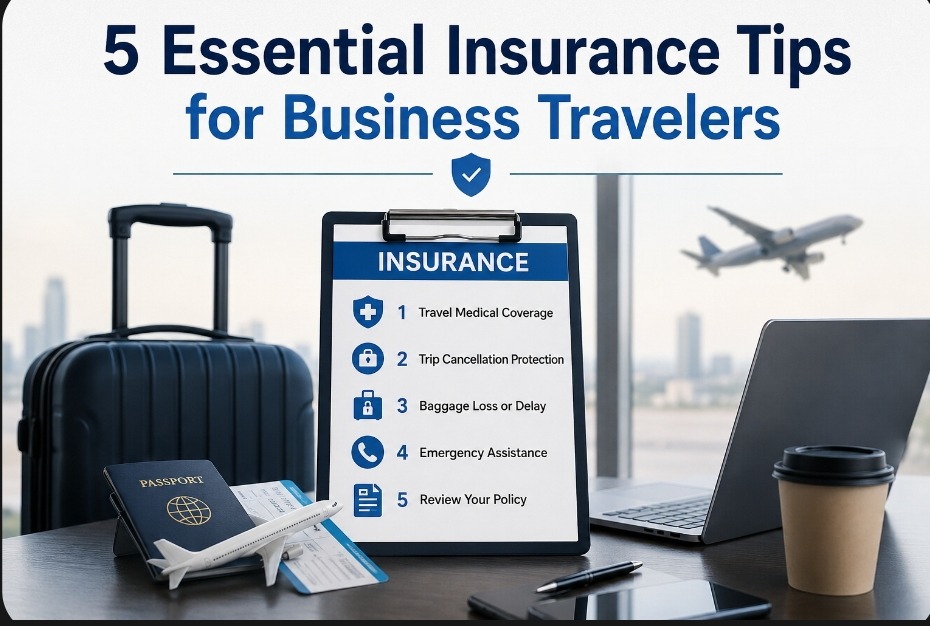
Many professionals assume their employer handles all the risks associated with corporate transit. This assumption can leave you vulnerable to steep out-of-pocket costs if an emergency strikes outside of standard business hours. You can focus entirely on your meetings and presentations when you know your health and assets are fully secure. This guide breaks down five essential insurance tips every corporate traveler needs to keep in mind before boarding their next flight.
Start by reviewing the corporate travel policy provided by your employer. Many large companies offer comprehensive coverage that includes medical emergencies, emergency evacuations, and lost baggage. However, these policies often have strict limitations that travelers overlook. They might only cover you during official business hours or explicitly exclude weekend layovers.
Request a copy of the policy details from your human resources or travel management department. Reading the fine print helps you identify any gaps in your coverage. If you plan to extend your trip for a few days of personal time—a trend known as "bleisure" travel—your corporate policy likely will not protect you during those extra days. Once you know exactly what your company covers, you can decide if you need to purchase additional protection for your time away from the office.
Standard domestic health insurance rarely covers international medical emergencies. Even if you stay within your home country, out-of-network fees can skyrocket if you visit an emergency clinic in another state. Supplemental travel health insurance bridges this dangerous gap. These policies cover emergency room visits, hospital stays, and necessary prescription medications while you travel.
Some premium plans even include medical evacuation, which covers the massive cost of transporting you to a specialized medical facility if local hospitals cannot treat your condition. Always verify that your supplemental plan covers preexisting conditions if that applies to your health history. Protecting your physical well-being is just as important as protecting your business deals.
Renting a vehicle is a common necessity for corporate travel. While your company might have an umbrella policy for standard rental cars, you should always verify the extent of the liability and collision coverage. Accidents happen frequently in unfamiliar territories.
Some business travelers prefer alternative transportation, like renting a motorcycle or scooter to navigate dense city traffic and find parking more easily. If you take this route, the physical and financial risks increase significantly. Navigating heavy traffic in a new state can lead to severe collisions. For instance, if you are attending a conference in Utah and get struck by a careless driver, you might need to consult a motorcycle accident lawyer in South Jordan to handle the complex liability claims and protect your rights. Always ensure your insurance explicitly covers the specific type of vehicle you plan to operate.
Business travelers carry a heavy load of expensive equipment. Laptops, tablets, smartphones, and specialized presentation gear are essential tools of the trade. Unfortunately, airlines frequently misplace luggage, and thieves often target busy professionals in crowded hotel lobbies or airport lounges.
Standard travel insurance might only offer a few hundred dollars for lost items. This minimal payout barely covers a fraction of a high-end work laptop. Look for comprehensive baggage and personal effects coverage with a high per-item limit. You can also check if your homeowner's or renter's insurance protects your electronics while you travel. Document all your devices by saving receipts and taking clear photos of serial numbers before you leave home to make the claims process much smoother.
Schedules change rapidly in the corporate world. A major client might postpone an important meeting, or a sudden illness could force you to cancel your travel plans entirely. Trip cancellation and interruption insurance reimburses you for non-refundable expenses like flights, train tickets, and hotel deposits.
Read the policy thoroughly to understand the accepted reasons for cancellation. Standard policies usually cover severe illness, family emergencies, or severe weather events that ground flights. If you need maximum flexibility for shifting corporate schedules, consider purchasing "cancel for any reason" coverage. This specific add-on costs a bit more upfront but allows you to back out of a trip without providing a specific justification to the insurance provider.
Preparing for a business trip involves much more than just packing a suitcase and reviewing your meeting agenda. Taking a proactive approach to your travel insurance protects your health, your equipment, and your financial stability. Reviewing your employer's policies and filling in the gaps with supplemental coverage minimizes the stress of unforeseen emergencies. When you mitigate these risks before your departure, you create a smoother, safer travel experience. You can step onto your flight with confidence, fully prepared to tackle your professional goals.