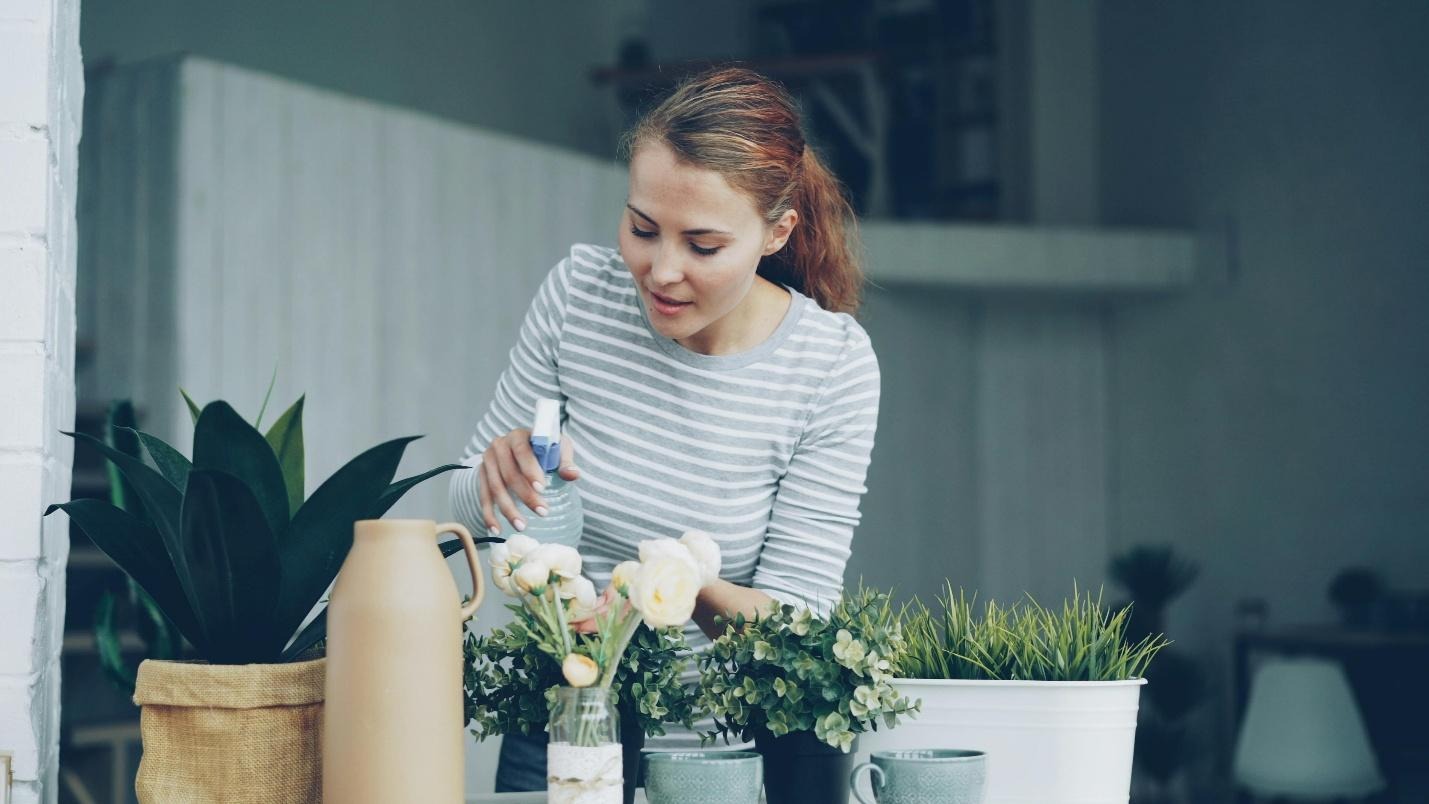
A successful home garden does not happen by chance. It is the result of thoughtful planning, environmental awareness, and consistent care. Whether you are growing ornamental plants, vegetables, or herbs, creating the right conditions allows plants to develop strong roots, healthy foliage, and reliable yields. By understanding the key environmental elements that influence plant growth, homeowners can transform their gardens into productive, resilient spaces that flourish season after season.
Understanding Soil Health and Structure
Healthy soil forms the foundation of any thriving garden. It provides physical support for plants while delivering essential nutrients, water, and oxygen to the root system. Soil texture—whether sandy, loamy, or clay-based—determines how well moisture and nutrients are retained or drained.
Incorporating organic matter such as compost improves soil structure, increases microbial activity, and enhances nutrient availability. Regular soil testing helps gardeners identify nutrient imbalances and pH levels that may limit plant performance. Adjustments made early ensure plants can access the resources they need throughout the growing cycle.
Optimizing Light Exposure and Airflow
Sunlight plays a major role in plant development, influencing photosynthesis, flowering, and overall vigor. Understanding sun exposure patterns in your yard allows you to position plants according to their specific light requirements, whether full sun, partial shade, or indirect light.
Equally important is airflow. Proper spacing between plants improves air circulation, reducing humidity around foliage and lowering the risk of disease. Air movement also strengthens plant stems, helping them better withstand wind and heavy growth later in the season.
Managing Water Consistency and Drainage
Watering practices strongly influence plant health. Too little water stresses plants, while overwatering can suffocate roots and promote fungal issues. Establishing a consistent watering schedule tailored to plant type, soil composition, and weather conditions is essential.
Good drainage prevents standing water and root rot. Raised beds, soil amendments, and thoughtful garden grading help excess moisture move away from plant roots. Efficient irrigation methods conserve water while ensuring plants receive adequate hydration.
Selecting Plants Suited to the Environment
Choosing plant varieties that naturally adapt to your local conditions increases the chance of long-term success. Native species often require less maintenance and are more resistant to local pests and diseases. Gardeners sourcing specialty plants or experimenting with unique varieties—including those grown from quality cannabis seeds obtained where legally appropriate—should be especially mindful of environmental compatibility and care requirements.
Matching plants to the available space, sunlight, and soil quality reduces stress on both plants and gardeners and supports more predictable growth outcomes.
Supporting Ongoing Growth Through Maintenance
A well-designed garden still requires ongoing attention. Regular pruning, weeding, and soil enrichment keep the environment balanced and productive. Monitoring plants for early signs of stress or disease allows problems to be addressed before they spread.
Seasonal adjustments—such as mulching in cooler months or shading delicate plants during extreme heat—ensure the garden continues to thrive as conditions change throughout the year.
Conclusion
Creating the ideal environment for a home garden involves more than planting and watering. By focusing on soil health, light exposure, airflow, water management, and plant selection, homeowners can build a sustainable ecosystem that supports healthy growth and long-term success. Thoughtful preparation and consistent care transform a simple garden into a flourishing, rewarding space.