Most companies are involved in enhancing service delivery, but ignore what precedes service delivery, even before service delivery commences. Waiting experience can be detached, uncoordinated, and irritating.
And that gap matters. Because customers start forming opinions the moment they arrive, not when they’re served.
QR code-based queue systems address this overlooked stage. By replacing physical lines with digital check-ins, they bring structure, visibility, and control into a process that has traditionally lacked all three.
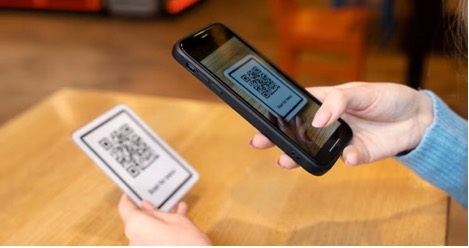
Customers do not show up in a physical queue but scan a code with their phone and digitally join a queue. No tokens. No counters. No crowd.
They get:
And they’re free to wait wherever they want. It’s a small shift in process but a big shift in experience.
A customer walks into your store or arrives outside your office. Instead of looking for a line, they see a QR code. They scan it and within seconds:
Visitors don’t have to stand there. They can go out, sit, or even have a quick run around the block. When their turn is close, they get a message and come back.
No confusion. No crowding. No repeated “how long will it take?” questions.
Most businesses don’t realize how much they lose because of poor queue management. It shows up in small ways:
And over time, it adds up. People don’t always complain. They just don’t come back. That’s the real cost of outdated queue systems.
This isn’t about adding tech for the sake of it. It’s about removing friction.
No one likes walking into a crowd. A simple QR scan feels cleaner and faster.
When people can track progress, they’re more patient. Uncertainty is what frustrates them—not the wait itself.
Instead of managing lines, your staff can focus on actual service.
With digital queues, you finally get data:
That’s when real improvements begin.
QR-based queues aren’t limited to one industry. But in some places, the impact is immediate.
Waiting rooms are often overcrowded. A QR system lets patients wait more comfortably and reduces chaos at the front desk.
During sales or weekends, long lines cost you customers. If people can wait without standing in line, they’re far more likely to stay.
Branch visits are already time-sensitive. A smoother check-in makes the entire experience feel more organized.
This is where frustration is highest. Even a small improvement in the waiting experience can change public perception.
Instead of crowding the entrance, guests can join the queue and come back when their table is ready.
Traditional queues rely on people standing in one place and waiting for their turn. QR queues remove that requirement completely.
That one change:
And most importantly, it puts the customer back in control.
Let’s talk business for a second. When waiting experience improves:
It’s not dramatic. It’s not flashy. However, it is consistent, and that is what will lead to results.
This could have been an additional feature a couple of years ago.
Nowadays, it is an anticipated thing.
People are used to:
If your process still depends on standing in line, it already feels outdated.
Not every QR-based queue solution delivers the same value.
Look beyond the QR scan itself.
What really matters is:
Because the goal isn’t just to digitize queues—it’s to run them better.
Most systems stop at “join the queue.”
Qwaiting focuses on the big picture: how customers travel through your whole service process. With Qwaiting, QR-based check-ins are just one part of a connected system that helps you:
It’s less about adding another tool and more about fixing a problem that’s been ignored for too long.
Queues aren’t going away. But the way people experience them is changing fast. The businesses that adapt aren’t just faster, they’re easier to deal with. And in most industries, that’s what customers remember.
So the question isn’t whether you should upgrade your queue system.
It’s this:
How much longer can you afford to keep people waiting the old way?