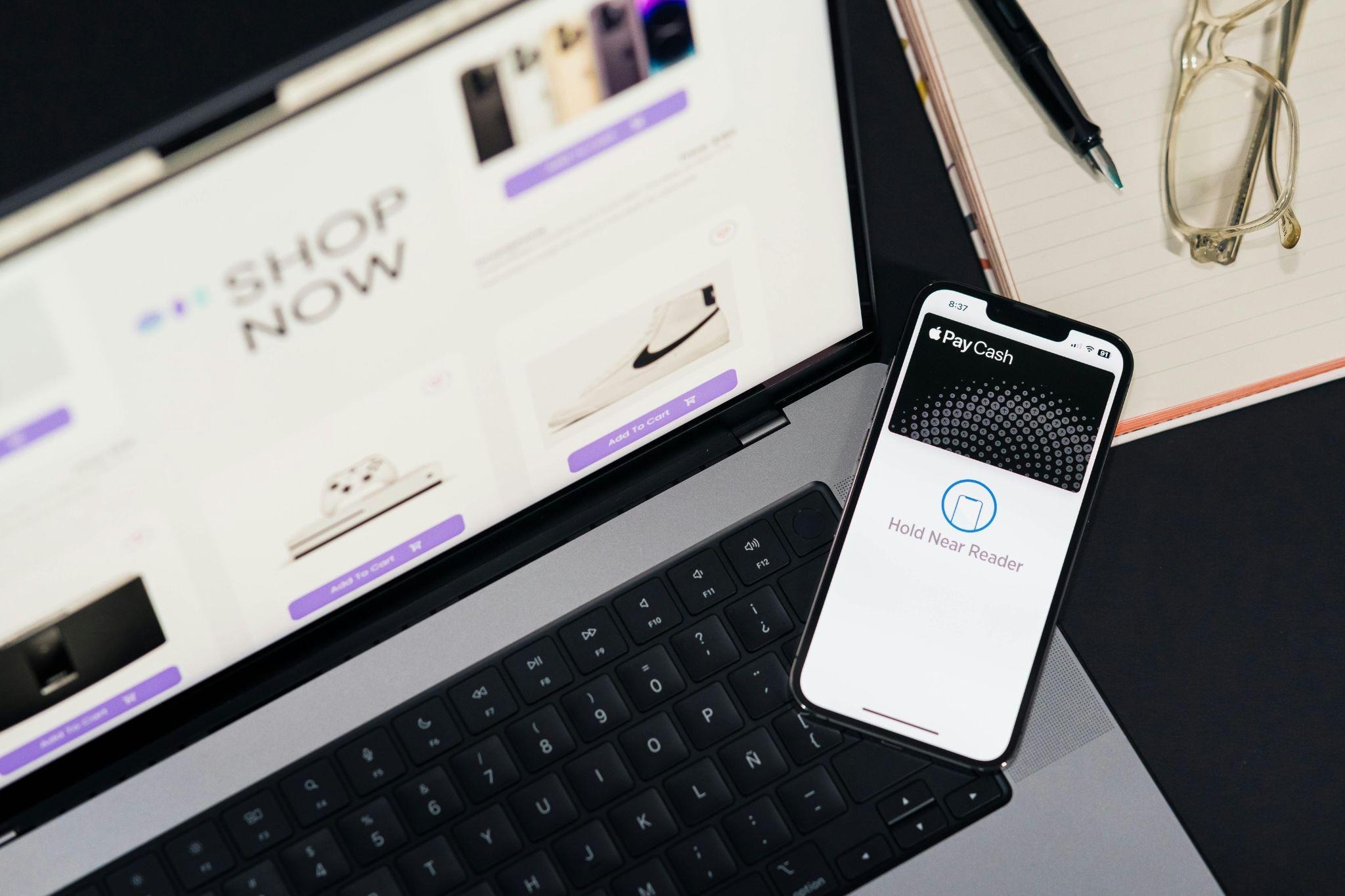
Today, speed and adaptability in e-commerce have become key success factors. Traditional platforms have long been the industry standard, but today they are becoming a barrier to growth. Modern brands and retailers are effectively addressing market challenges with composable commerce, as this approach is a game-changer and allows for innovation without a complete system overhaul.
Choosing the right strategy often comes down to an analysis of composable vs. headless, as these concepts offer different levels of infrastructure control. A headless approach separates server logic from the visual request interface, while a composable architecture allows businesses to choose the best tools for each system component.
Traditional e-commerce platforms are built as a single unit. In this architecture, the visual component, server logic, and database are inextricably linked. This creates significant challenges for growing businesses:
This is especially noticeable when attempting to integrate third-party services or launch new sales channels. As a result, businesses are forced to either limit product development or invest significant resources in redesigning the existing architecture.
The solution to these problems was the transition to a headless architecture. In this model, the visual interface is completely separated from the server's software logic, and interaction between them occurs instantly through flexible API requests. This gives developers complete freedom to choose their tools to create a unique user experience.
It is precisely in this combination that composable architecture and headless architecture prove their effectiveness, allowing retailers to assemble their IT infrastructure like a construction kit. Businesses choose best-of-breed solutions: you can integrate Algolia for search, Contentful for content management, and Stripe for payments, uniting them into a single, high-performance ecosystem.
Why is flexibility important for retail?
This allows for gradual transitions of individual interface elements from the monolith without drastic changes to the entire system. As a result, the team retains control over the process and can test changes at each stage.
Transitioning to flexible architectural solutions is an investment in long-term business sustainability. Composable architecture and a headless approach give retailers the freedom and flexibility in personalization needed to implement ambitious business strategies. The Dinarys team helps brands navigate this complex technical transition as smoothly as possible, turning the transformation into a growth engine.