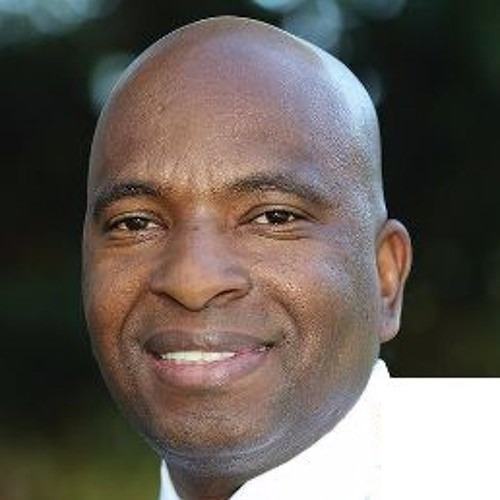
Large institutions rarely succeed because of policy alone. They succeed because of people who understand how to guide organizations through complexity while maintaining trust among those who carry out the mission. For Colonel Nashid A. Salahuddin, leadership is best understood as stewardship: a responsibility to create systems, cultures, and opportunities that allow others to perform at their best.
Colonel Nashid Salahuddin currently serves as Director of Air National Guard Human Resources at Joint Base Andrews, Maryland, where he oversees the human capital needs of more than 1,800 military and civilian personnel assigned to headquarters staff. His role places him at the intersection of policy, leadership development, and organizational readiness. The work requires balancing operational requirements with long term workforce strategy while ensuring that decisions affecting service members and their families are made thoughtfully and transparently.
Across more than three decades of service that began with his enlistment in the Air Force in 1990, Colonel Nashid Salahuddin has held assignments ranging from personnel officer and mission support commander to senior strategist at the Pentagon and advisor to the Iraqi Ministry of Interior. The experiences have shaped a leadership philosophy grounded in trust, mentorship, and the belief that strong organizations are built by investing in people rather than simply managing processes.
Early in his career, leadership was something Colonel Nashid Salahuddin observed more than practiced. As a young Airman, he studied supervisors closely, paying attention to the difference between leaders who simply issued instructions and those who inspired confidence in their teams.
One supervisor in particular left a lasting impression. Staff Sergeant Silsbee, a leader in one of Salahuddin’s early assignments, demonstrated a quality that would become central to Salahuddin’s own approach: the ability to recognize potential in others and say so directly. After a challenging period in a previous work center, the encouragement and trust offered by that supervisor helped reshape his trajectory.
The lesson endured as responsibilities grew. According to Salahuddin, the scope of leadership changes dramatically as one moves from tactical roles into operational and strategic positions, but the human principles remain consistent. Leaders must articulate a clear vision of the future, ensure their teams have the resources necessary to succeed, and communicate confidence that the mission is achievable.
This perspective reflects a broader view of leadership as stewardship rather than authority. Leaders are not simply responsible for outcomes in the present moment. They are responsible for building systems and cultures that continue producing results long after their tenure ends.
In a role that influences policy affecting thousands of service members, Colonel Nashid Salahuddin approaches decision making through the lens of trust. Before implementing any initiative, he considers whether those impacted will believe that leadership is acting in their best interest.
Trust, in his view, cannot be mandated. It must be built deliberately through engagement and transparency.
That process often begins well before a policy is finalized. Stakeholders may be consulted through surveys, focus groups, and direct conversations to ensure that leadership understands the concerns and perspectives of the people most affected. Families are often included in these discussions because policies related to military life rarely impact only the service member.
This deliberate approach reflects a key principle in organizational leadership: policies imposed without buy-in rarely endure. When leaders gather feedback early and remain open to adjusting their approach, they create initiatives that are more resilient and better aligned with the needs of the force.
For Colonel Nashid Salahuddin, the goal is not simply compliance with new policies. It is confidence among service members that decisions were made thoughtfully and responsibly.
Military organizations operate under strict standards, yet effective leadership requires maintaining a people centered approach within those structures. Salahuddin believes the two priorities are not in conflict.
Operational excellence depends on the commitment and engagement of the workforce responsible for executing the mission. Even the most carefully designed policy will struggle if the people responsible for implementing it do not understand its purpose or trust the intent behind it.
To address this challenge in large organizations, Colonel Nashid Salahuddin often uses what he calls a champion model. Leaders identify respected individuals within different stakeholder communities and involve them early in the policy development process. These champions provide feedback during the design phase and later help explain and advocate for the initiative within their own networks.
The approach creates distributed ownership of change rather than presenting new policies as directives handed down from distant leadership. It also surfaces practical concerns before implementation, allowing adjustments that make policies more workable in real operational environments.
This model reflects a broader human capital strategy. Institutions perform best when people feel both informed and empowered, not simply managed.
Few themes are more central to Colonel Nashid Salahuddin’s leadership philosophy than mentorship. Preparing the next generation of leaders, he argues, requires more than formal training programs or professional education. It requires relationships that provide context, feedback, and honest guidance.
Salahuddin encourages enlisted members, officers, and civilians to develop what he calls a board of directors approach to mentorship. Instead of relying on a single advisor, individuals should cultivate relationships with multiple mentors who bring different experiences and perspectives. Some mentors may offer deep institutional knowledge built over decades of service, while others may provide fresh viewpoints shaped by newer roles or emerging fields.
The diversity of perspectives prevents leaders from developing narrow assumptions about how organizations function.
Equally important, Salahuddin believes mentorship must be reciprocal. The strongest mentoring relationships evolve into partnerships where both individuals contribute value. A mentee might provide insights from a current assignment, connect a mentor with useful resources, or assist with projects that matter to them.
Over time, this reciprocity transforms mentorship from occasional advice into a sustained professional relationship that benefits both sides.
For the military, the stakes are significant. Leadership continuity depends on experienced professionals helping emerging leaders navigate the complexity of modern operations and organizational systems.
Policies can shape behavior in the short term, but culture determines how organizations perform over time. Colonel Nashid Salahuddin often emphasizes that changing policy is relatively easy. Changing culture requires sustained leadership effort.
In high performing organizations, culture is reinforced not only by senior leaders but also by the individuals throughout the institution who model standards and mentor new members. Much like successful sports teams where players reinforce expectations among themselves, military organizations rely on distributed leadership to maintain consistent performance.
For Salahuddin, the true measure of leadership is not simply whether an organization performs well during a particular command. It is whether the culture established during that period continues to drive results after the leader has moved on.
When strong leadership cultures take hold, new leaders inherit teams that already understand expectations, hold themselves accountable, and adapt effectively to evolving missions.
Military institutions are shaped by heritage and tradition, yet they must constantly adapt to remain effective. Balancing those two realities is a central challenge for modern leaders.
Colonel Nashid Salahuddin approaches the issue by focusing on values rather than processes. Heritage reflects the experiences and traditions that built the organization, but the methods used to carry out missions must evolve as technology and operational environments change.
Emerging technologies such as artificial intelligence illustrate the challenge. These tools will increasingly influence how decisions are made, how resources are allocated, and what skills are required from service members. Leaders must help their organizations prepare for that future while preserving the values that define the institution.
For Salahuddin, the key lies in acknowledging both realities at once. Organizations that cling too tightly to past methods risk becoming ineffective. Those that abandon their heritage entirely lose the shared identity that holds teams together.
Effective leaders respect the past while guiding their organizations toward the future.
For young service members who aspire to senior leadership roles, Colonel Nashid Salahuddin offers straightforward guidance.
First, excel in your current role. Leadership credibility begins with demonstrated competence. Individuals who master their craft build the trust and expertise necessary to guide others later in their careers.
Second, remain a lifelong learner. Effective leaders seek perspectives beyond their immediate responsibilities. They study strategy, organizational behavior, and emerging technologies while remaining open to viewpoints that challenge their assumptions.
Together, these habits create the foundation for leadership at any level.
Colonel Nashid Salahuddin’s career reflects a consistent theme. Strong organizations do not emerge from directives alone. They are built through trust, mentorship, and deliberate investment in people. Leaders who see their role as stewards of both mission and workforce help ensure that institutions remain resilient, effective, and ready for whatever challenges come next.