
The Jersey Shore has long been known for busy summer beaches, boardwalk food and short summer vacations. For many years, most tourists arrived in June, numbers peaked in July and August and then dropped off once the weather cooled. For decades, this seasonal rhythm shaped the local economy, with shops, restaurants and attractions operating primarily during the summer months. Recently, however, this pattern has begun to shift as visitors discover that the shore offers unique experiences in every season.
More travelers are realizing that the Jersey Shore is not just a summer destination. Restaurants stay open longer, festivals and events are scheduled throughout the year and improvements in transportation and accommodations make it easier than ever to visit outside the traditional summer window. Families can enjoy quieter beaches in the spring, fall travelers can explore cultural and culinary events and winter visitors can experience cozy boardwalk cafes or holiday-themed attractions.
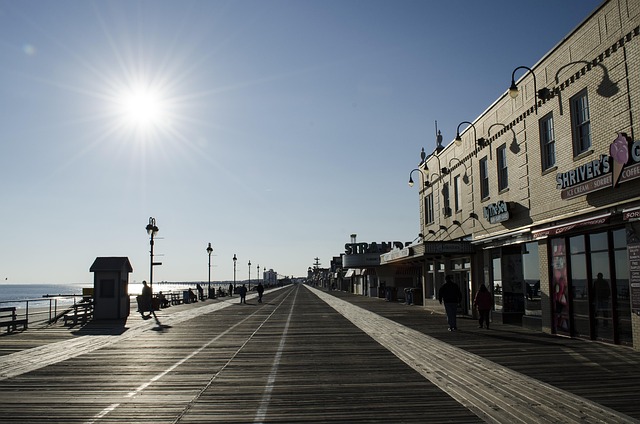
At the same time, many visitors now enjoy digital entertainment during their trips. While relaxing on the beach or taking a break at boardwalk cafes, they might stream movies, play mobile games or enjoy interactive content. Some even explore online casino websites in the evenings when outdoor activities aren’t possible. This combination of classic seaside charm and modern entertainment is helping the Jersey Shore attract visitors throughout the year.
Tourism in New Jersey is growing beyond the summer months, with the state welcoming more than 120 million visitors in recent years and generating over $44 billion in tourism revenue annually, according to the New Jersey Division of Travel and Tourism. While summer remains the busiest season, officials and local businesses have increasingly focused on attracting travelers during fall, winter and spring to balance the economic impact throughout the year.
Coastal towns like Cape May host winter events such as the Christmas Candlelight House Tours and the Cape May Winter Film Festival, while Ocean City has become known for its Holiday Light Show and seasonal markets that draw thousands of visitors. Cities such as Atlantic City regularly hold concerts at Boardwalk Hall, major conventions like the Atlantic City Bridal Show and sporting events including the Atlantic City Marathon, attracting tens of thousands of travelers during traditionally slower periods.
Wine festivals, seafood celebrations such as the Seafood Festival in Long Beach Island, holiday parades and charity runs have become common across the off-season calendar, giving visitors compelling reasons to return throughout the year.
This extended tourism schedule benefits local businesses by stabilizing revenue and employment opportunities, helping restaurants, hotels and attractions maintain staff and services throughout the year. After a busy day surfing or exploring the shoreline, some visitors relax in the evening by browsing online casino websites or other digital entertainment, creating a mix of traditional coastal charm and modern leisure experiences that keeps the region lively in every season.
Several communities along the Jersey Shore have invested in attractions that operate year-round, ensuring visitors have reasons to come even when beach weather is not ideal. Historic districts like the Cape May Historic District, museums such as the Tuckerton Seaport Museum, indoor markets like the Ocean City Boardwalk Marketplace and performing arts venues such as The Surflight Theatre in Beach Haven draw travelers throughout all seasons, while the Atlantic City Boardwalk remains a major attraction with casinos, entertainment venues and restaurants open year-round.
The city’s gaming industry alone generates billions of dollars annually, according to the New Jersey Casino Control Commission, showing how entertainment infrastructure can sustain tourism long after the summer crowds leave. Visitors now complement physical attractions with digital experiences, browsing games, streaming services or interactive platforms while relaxing in hotels or rental homes during evenings or rainy days. For example, the aviator casino game demo lets players try a popular crash-style online gambling game, where a virtual plane’s multiplier rises and players must cash out before it disappears, reflecting how digital recreation integrates with modern travel.

Improved transportation has further supported year-round tourism. Modern highway networks, enhanced public transit routes and reliable navigation tools make travel easier even during colder months. Similar progress can be seen in other industries where technology improves efficiency and convenience. In the airline industry, for example, advanced booking systems and real-time flight tracking allow travelers to plan trips more easily and adjust schedules when conditions change. In the hospitality sector, digital reservation platforms and smart hotel management systems help hotels coordinate bookings, staffing and guest services more efficiently throughout the year.
In the automotive industry, modern vehicles increasingly rely on advanced navigation systems, driver-assistance technology and real-time traffic updates to help drivers adjust routes based on weather and road conditions. Research from the American Automobile Association shows that these innovations reduce travel stress and make long-distance driving more convenient, encouraging more off-season road trips to coastal destinations that were once considered difficult to reach.
The profile of visitors traveling to the Jersey Shore has evolved in recent years. Younger travelers, digital professionals and remote workers increasingly look for destinations that combine relaxation with reliable connectivity. With remote work becoming more common, many people now spend part of the week working online and extend weekend trips into longer stays. Shore communities benefit from this shift because visitors often rent homes or apartments for several weeks instead of taking a short vacation. During these extended visits, travelers explore a range of local experiences, including dining, nightlife and evening entertainment.
Another factor shaping modern travel habits is the growing use of digital finance and cryptocurrency for everyday transactions. Many travelers now rely on cryptocurrencies such as Bitcoin or other digital assets when paying for services abroad because they allow quick international transfers without traditional banking delays. Around the world, an increasing number of restaurants, cafés, hotels and retail businesses accept cryptocurrency as a payment method, giving travelers additional flexibility when managing expenses during their trips.
This broader adoption of cryptocurrency has also influenced online entertainment. In the gaming sector, some platforms now accept cryptocurrency as a deposit method, allowing users to play using digital currencies instead of traditional payment systems. On certain crypto casinos no kyc, players can access games without completing extensive identity verification procedures. These platforms appeal to some users because cryptocurrency transactions are typically fast and can be completed from almost anywhere with minimal fees.
A visible sign of the Jersey Shore’s year-round appeal is the surge in real estate interest across many coastal towns. According to the National Association of Realtors, vacation home purchases rose significantly during the early 2020s as remote work allowed more people to spend extended time away from major cities. Communities like Sea Isle City and Wildwood have seen increased demand for second homes and rental properties. For instance, in Sea Isle City more than 82% of homebuyers are purchasing vacation or secondary homes, highlighting the strong investment interest in coastal property.
Owners who spend time in these homes outside summer contribute to the local economy by supporting restaurants, shops and entertainment venues throughout the year. In some Jersey Shore markets, sales of beach homes even increased around 25% during the pandemic-era surge in demand, illustrating how strongly buyers were drawn to coastal living.
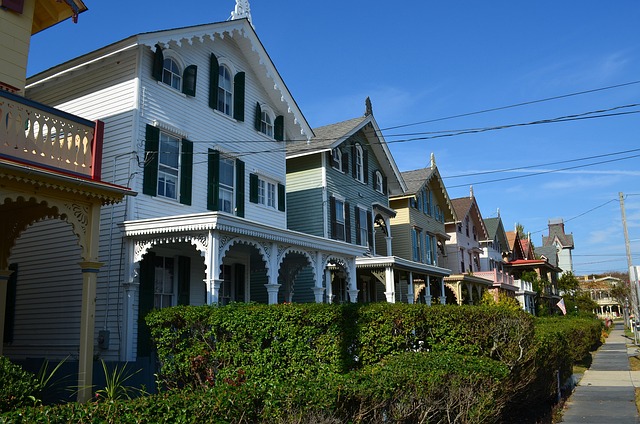
The transformation of the Jersey Shore into a year-round destination reflects broader shifts in travel, technology and lifestyle. Today’s visitors increasingly look for flexible experiences that combine outdoor recreation, cultural events and convenient digital entertainment. Coastal towns that adapt to these expectations are better positioned to attract travelers in every season. Many visitors spend the day exploring boardwalk attractions, beaches and local restaurants before relaxing in the evening with online entertainment, which can include streaming, games or browsing online casino websites from a hotel room or vacation rental.
The long-term outlook suggests that the traditional summer-only perception of the Jersey Shore is gradually fading. With expanding events, stronger infrastructure, evolving travel habits and a growing residential community, the region is steadily becoming a destination that offers something to experience in every month of the year.