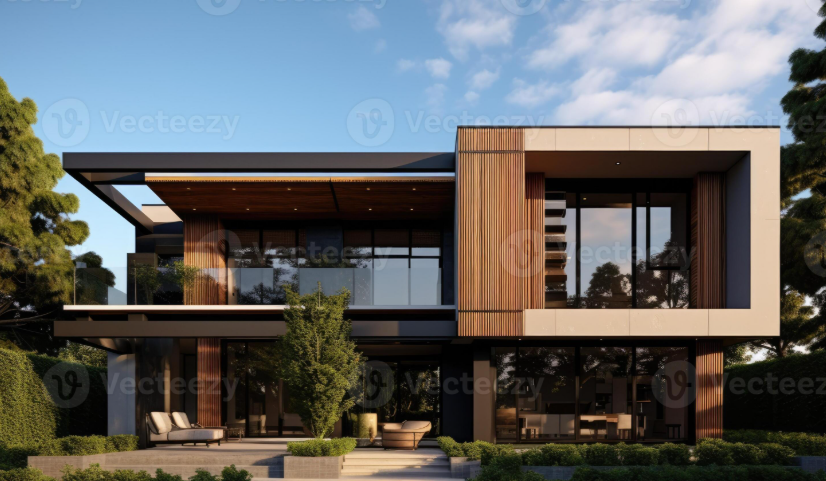
The way we design and experience our living spaces is undergoing a remarkable transformation, thanks to the rapid evolution of artificial intelligence (AI). Once considered a futuristic concept, AI is now deeply integrated into many aspects of our daily lives—including how we plan, decorate, and personalize our homes. From smart recommendations to fully automated layouts, tools powered by Ai home design are redefining creativity, efficiency, and accessibility in the design world.
Traditionally, designing a home required a combination of professional expertise, time-consuming planning, and often a significant budget. Homeowners relied on architects, interior designers, and countless hours of research to achieve their desired aesthetic. Today, AI has simplified this process dramatically.
AI-powered platforms can analyze user preferences, spatial dimensions, lighting conditions, and even lifestyle habits to generate customized design solutions. Whether you're renovating a single room or building a house from scratch, AI tools can provide instant visualizations and suggestions that would otherwise take weeks to develop.
One of the key advantages of Ai home design is its ability to democratize design. People without formal training can now create professional-quality layouts, experiment with styles, and visualize outcomes before making costly decisions.
Personalization is at the heart of modern design, and AI excels in this area. By analyzing data such as user preferences, browsing history, and even social media inspiration, AI systems can recommend furniture, color palettes, and layouts tailored specifically to individual tastes.
For instance, if a user prefers minimalist aesthetics with neutral tones, AI can generate a complete room design reflecting that style. It can also adapt suggestions based on practical needs—such as maximizing storage in small apartments or creating child-friendly environments for families.
This level of customization was once only available through expensive design consultations. Now, it’s accessible to anyone with a smartphone or computer.
Another major benefit of AI in home design is speed. What once required multiple consultations, sketches, and revisions can now be completed in minutes. AI tools can instantly generate multiple design options, allowing users to compare and refine their choices quickly.
Imagine uploading a photo of your living room and receiving several redesigned versions in different styles—modern, rustic, industrial, or Scandinavian—within seconds. This not only saves time but also encourages experimentation, helping users discover styles they may not have considered otherwise.
Efficiency also extends to project planning. AI can estimate costs, suggest materials within budget, and even predict potential design challenges before they arise.
A common misconception is that AI will replace human designers. In reality, it serves as a powerful tool that enhances creativity rather than diminishing it. Designers can use AI to streamline repetitive tasks, generate ideas, and focus more on the artistic and emotional aspects of their work.
For professionals, AI acts as a collaborative partner. It can provide inspiration, optimize layouts, and offer data-driven insights, allowing designers to deliver better results in less time. For homeowners, it acts as a guide—helping them navigate the overwhelming number of design choices available today.
While home design focuses on the structure and layout of a space, interior design deals with the details that make a house feel like a home. This is where ai interior design truly shines.
AI-powered interior design tools can recommend furniture placement, lighting arrangements, wall art, and decorative elements that complement each other seamlessly. They can also simulate how different materials and colors will look under various lighting conditions, providing a realistic preview of the final result.
For example, users can experiment with different sofa styles, rug patterns, or wall colors without physically purchasing anything. This reduces the risk of costly mistakes and ensures greater satisfaction with the final design.
Sustainability is becoming an increasingly important consideration in home design. AI can play a significant role in promoting eco-friendly practices by suggesting energy-efficient layouts, sustainable materials, and smart home technologies.
AI tools can analyze factors such as natural light, ventilation, and insulation to optimize energy usage. They can also recommend eco-friendly products and materials that align with the user’s budget and design preferences.
By making sustainable choices more accessible and easier to implement, AI is helping homeowners reduce their environmental impact while creating beautiful living spaces.
The integration of AI design tools with smart home technology is another exciting development. Modern homes are no longer just about aesthetics—they’re also about functionality and convenience.
AI can design spaces that seamlessly incorporate smart devices such as automated lighting, climate control systems, and voice assistants. It can suggest optimal placements for these devices to enhance both usability and visual appeal.
For example, AI can recommend lighting setups that adjust based on time of day or suggest layouts that improve connectivity for smart devices. This creates a cohesive living environment where technology and design work together harmoniously.
One of the most transformative aspects of AI in design is its accessibility. High-quality design services were once limited to those who could afford professional help. AI has changed that by offering affordable—or even free—tools that deliver impressive results.
This accessibility empowers homeowners, renters, and even students to experiment with design and create spaces that reflect their personalities. It also opens up opportunities for small businesses and independent designers to compete in a market that was once dominated by large firms.
Despite its many advantages, AI in home design is not without challenges. One limitation is the lack of emotional understanding. While AI can analyze data and generate designs, it may not ყოველთვის fully capture the emotional nuances and personal stories that make a space truly unique.
Additionally, AI tools rely heavily on data, which means their recommendations are only as good as the information they receive. Inaccurate inputs or limited data can lead to less effective results.
There are also concerns about over-reliance on technology. While AI can provide valuable guidance, it’s important for users to trust their instincts and make decisions that feel right for them.
The future of AI in home and interior design looks incredibly promising. As technology continues to evolve, we can expect even more advanced features, such as real-time augmented reality (AR) integration, voice-controlled design assistants, and highly intuitive systems that understand user preferences on a deeper level.
AI may also become more collaborative, allowing multiple users to work on a design project simultaneously from different locations. This could revolutionize how designers, clients, and contractors communicate and collaborate.
In the coming years, the line between virtual and physical design will continue to blur, making it easier than ever to turn ideas into reality.
AI is not just a trend—it’s a powerful force reshaping the way we design and experience our homes. From personalized recommendations to instant visualizations, Ai home design tools are making the design process more accessible, efficient, and enjoyable.
At the same time, ai interior design is enhancing the details that bring spaces to life, helping users create environments that are both functional and beautiful.
While challenges remain, the benefits of AI in design far outweigh its limitations. By combining technology with human creativity, we are entering a new era where anyone can design their dream home with confidence and ease.
As AI continues to advance, one thing is clear: the future of home design is smarter, more personalized, and more inspiring than ever before.