Jacksonville is the kind of city where most people settle into their routes quickly. The roads are generally manageable, the pace is less chaotic than Miami or even Orlando, and once you've been here a while you develop a real feel for how the city moves. But manageable doesn't mean risk-free. Family life adds driving complexity that solo commuters don't deal with. Summer storms roll in fast and change road conditions before most drivers have time to adjust. And the gap between roads you know are cold and roads you don't know at all shows up in how confidently and safely you drive them. If you're thinking about car insurance in Jacksonville, FL that genuinely fits your life here, these three things deserve an honest look.
Jacksonville is geographically enormous. Within its city limits you've got beach communities, dense urban corridors, sprawling suburban neighborhoods, and rural stretches that feel like a different county entirely. Not every driver knows every part of it, and that variation in familiarity has real effects on how people drive.
There's a measurable difference in how a driver handles a road they've been on a thousand times versus one they're seeing for the first time. On known routes, the decisions are mostly automatic - you know the tricky merge on Butler Boulevard, you know where the signal at that commercial strip on Blanding runs long, you know which lane backs up at certain times on I-295. That knowledge frees up cognitive bandwidth for monitoring traffic around you. On unknown routes, all of that bandwidth goes toward figuring out what's coming next, which leaves less capacity for responding to what's happening right now. Jacksonville's size means most drivers have large sections of the city they rarely or never drive - and trips into those areas put them in a more reactive posture than their everyday routes do.
GPS is most people's answer to unfamiliar roads, and it works reasonably well most of the time. The problem shows up at the edges - when the app routes you down a road that looks fine on screen but turns out to have unexpected conditions, or when a turn instruction comes late and creates a last-second decision in traffic. Jacksonville's road network has enough variety that GPS can steer you from a well-maintained suburban street onto an older, narrower road in a different part of the city without much transition warning. Drivers who follow navigation without building any independent familiarity with areas they visit regularly are permanently dependent on it in ways that more route-familiar drivers aren't. That dependence isn't necessarily dangerous, but it keeps a driver in reactive mode longer than necessary.
Familiarity and reaction time are connected in a straightforward way. When you already know what's likely to happen at a specific point in your route, your brain starts preparing before the situation fully develops. That preparation window - even half a second - is what separates a smooth response from a late one. A driver who knows the bridge traffic on the Fuller Warren tends to back up in certain conditions has already adjusted their following distance before the backup appears. A driver encountering that same backup for the first time is responding to it from scratch. In Jacksonville's mix of highway, bridge, and surface street driving, that preparation advantage adds up across a full commute.
Driving comfort on familiar routes isn't just about confidence - it affects the quality of decision-making throughout a trip. A driver who feels comfortable and unpressured makes better small decisions: appropriate following distance, smooth lane positioning, calibrated speed for conditions. A driver who feels uncertain about where they are or what's coming next carries a low-level tension that affects how they handle each moment. This isn't about fearful drivers being bad drivers - it's just an acknowledgment that comfort and familiarity create conditions for better driving outcomes, and that Jacksonville's scale means comfort levels vary significantly depending on which part of the city someone is navigating.
Families drive differently than individuals, and the insurance that covers family driving needs to reflect what that actually looks like in practice - not just the commute, but everything else that comes with it.
The school run dynamic in Jacksonville is real and daily. Morning drop-offs and afternoon pickups create specific traffic concentrations around schools across the city - Mandarin, Southside, Arlington, the Beaches communities - at times that overlap with commuter traffic in ways that amplify both. School zones require actual attention and speed adjustment, not just a reduced speed number on a sign. The cluster of parents, buses, and kids on foot around school entrances creates a low-speed, high-pedestrian environment multiple times a day for families with school-age children. That's not high-risk driving in the highway sense, but it is a consistent source of the slow-speed incidents that are more common than people realize.
Family errand driving covers more ground and more variety than a single-person household generates. Grocery runs, pediatrician appointments, after-school activities across different parts of the city, weekend sports - the weekly mileage for a family vehicle adds up faster than any single category suggests. It also means the vehicle is navigating a wider range of environments: school zones, commercial parking lots, neighborhood streets, and occasional highway runs, sometimes all in the same afternoon. That variety creates more diverse exposure than a predictable point-to-point commute, and it's worth reflecting honestly in annual mileage estimates rather than just counting workday miles. Drivers looking at car insurance in Florida often find that family vehicles need coverage that accounts for this full range rather than just the primary driver's commute.
Households where multiple adults share a vehicle - or where a teenager has recently started driving - need policies that reflect everyone who regularly gets behind the wheel. A policy built around one primary driver's habits and record doesn't automatically cover the full picture when the vehicle is regularly used by a spouse with different driving patterns or a new teenage driver with no record at all. Getting that accurate upfront matters more than it might seem. When a claim happens in a configuration that wasn't reflected in the policy - a teenager driving a vehicle that wasn't properly listed, a spouse not included as a regular driver - the questions that follow are harder to resolve than they would have been with accurate information from the start.
Jacksonville's location makes it a natural starting point for weekend trips. The Georgia border is close. St. Augustine is 45 minutes south. The Panhandle is a manageable drive for a long weekend. Families with kids tend to travel more and farther than single drivers, and those trips add highway miles that don't show up in weekday commute accounting. A family that takes four or five road trips a year from Jacksonville is logging real additional mileage on top of daily household driving - and that total annual picture should be what informs coverage decisions, not just the routine week.
Florida weather is one of those things that new residents underestimate until they've been through a summer. Jacksonville's climate produces specific driving challenges that affect exposure in ways worth accounting for.
Jacksonville's summer months bring afternoon thunderstorms that arrive fast and hit hard. A road that was dry at 2pm can have standing water by 2:20pm when a cell moves through. Hydroplaning risk increases significantly on roads with poor drainage, and Jacksonville has enough of them - particularly in older neighborhoods and on certain highway stretches - that heavy rain isn't just an inconvenience. It's a genuine change in driving conditions that requires real adjustment in speed and following distance. Drivers who don't modify their behavior when the roads get wet are operating in conditions that have changed around them while their driving hasn't.
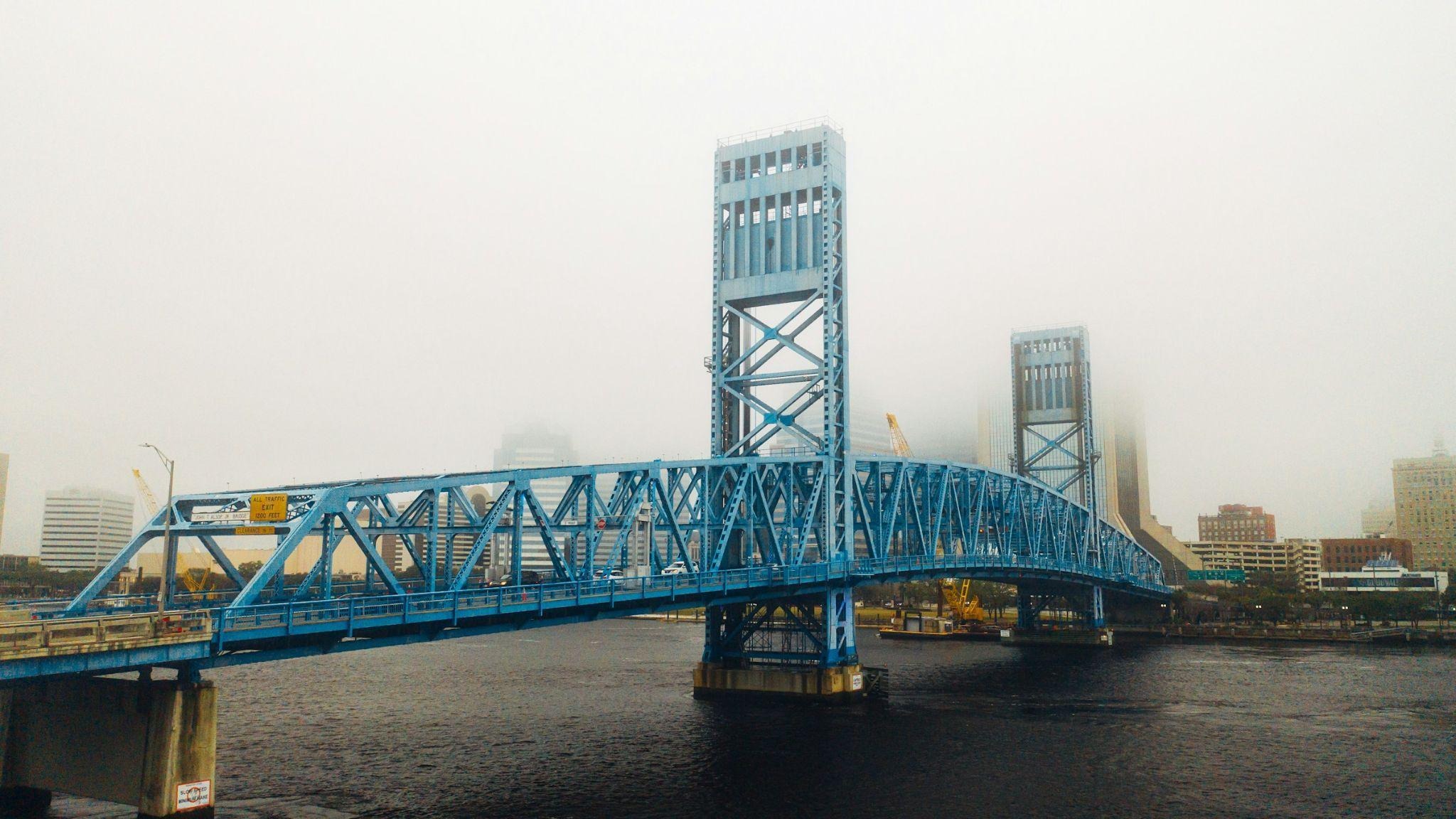
Heavy rain in Jacksonville can drop visibility to a level that makes driving genuinely difficult, not just uncomfortable. Wipers running full speed still leaving a smeared view, spray from larger vehicles making things worse, headlight reflections off wet pavement that obscure lane markings - these conditions require more deliberate speed reduction and more following distance than most drivers actually give them. Jacksonville also has fog conditions in coastal and riverside areas, particularly in fall and spring mornings, that create shorter-duration but equally real visibility challenges on specific corridors near the St. Johns River and the beaches.
Wet road surfaces behave differently than dry ones in ways that affect stopping distance, cornering stability, and tire grip. Jacksonville's mix of older residential streets, newer suburban roads, and highway surfaces all respond differently to rain. Some older road surfaces become genuinely slippery when wet in ways that aren't obvious until you're already braking. Construction zones with freshly laid road markings or uneven surfaces between old and new pavement can be particularly unpredictable in wet conditions. Tires that are adequate on dry roads may not be adequate on wet ones - particularly older tires that have lost tread depth - and vehicle maintenance decisions that seemed low-priority in dry weather become more consequential when the roads are wet.
Jacksonville's seasons aren't dramatic by northern standards, but they do produce real driving adjustments. Summer brings storms and heat that affects both road surfaces and vehicle performance. Fall and winter bring occasional frost in early mornings - not common, but Jacksonville drivers who aren't prepared for it encounter it on bridge decks and overpasses where freezing happens earlier than on regular road surfaces. Spring brings higher rainfall volumes and the return of heavier seasonal traffic as the weather improves and more people are out. Drivers who treat their driving habits as static regardless of season are missing adjustments that the conditions themselves are calling for - and those missed adjustments occasionally show up as incidents that better seasonal awareness would have avoided.