
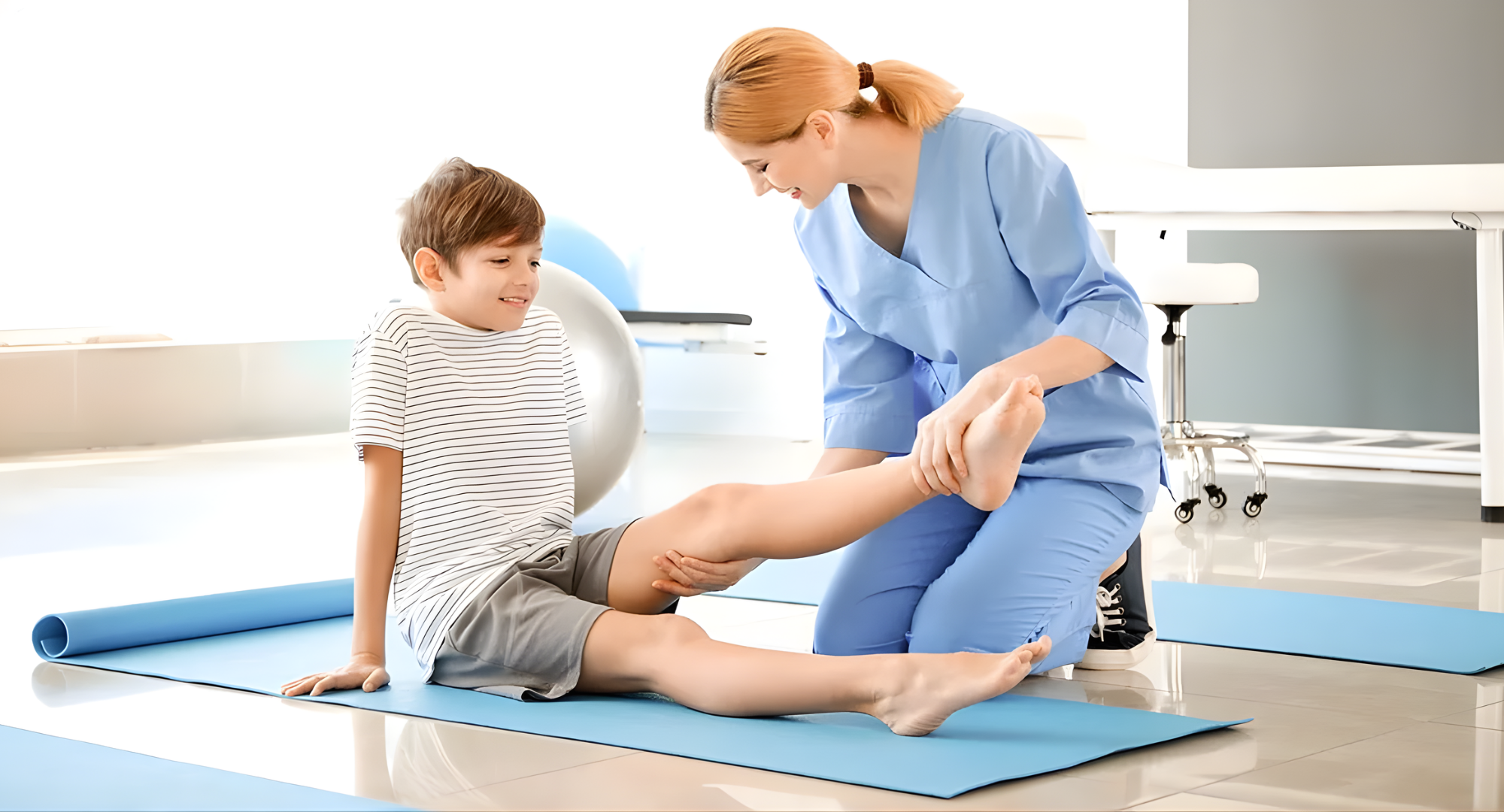
Youth sports offer many benefits, including teamwork, confidence, discipline, and physical fitness. From soccer and basketball to gymnastics, baseball, and track, young athletes often spend many hours training, competing, and practicing skills they love. With that activity, however, comes the possibility of injury, overuse, and movement imbalances. Rigby physical therapy can be an important resource for young athletes. It not only helps with recovery after injury, but also supports performance, movement quality, and long term health. For growing bodies that are still developing, proper guidance can make a major difference.
Sprains, strains, fractures, tendon irritation, and joint pain are common in youth sports. Returning to play too soon or without proper healing can increase the risk of reinjury. Physical therapy helps young athletes recover safely through age appropriate exercises, mobility work, and strength progression. Therapists monitor healing and guide athletes back to activity step by step, helping reduce setbacks.
Many sports require strength, balance, coordination, and control. Physical therapy can identify weak areas that may be affecting performance or increasing injury risk. By strengthening the core, hips, legs, shoulders, and other key muscle groups, young athletes often move more efficiently and with better control. This foundation supports both performance and injury prevention.
Young athletes may develop poor mechanics when running, jumping, landing, throwing, or changing direction. Repeating faulty movement patterns over time can place unnecessary stress on joints and muscles. Physical therapists evaluate how athletes move and teach better mechanics. Improving technique can help reduce strain while supporting speed, power, and efficiency.
Many young athletes now train year round or participate in multiple teams. Repetitive stress without enough recovery can lead to overuse injuries such as knee pain, shin splints, shoulder irritation, or tendon problems. Physical therapy can help identify early warning signs, flexibility limitations, or training imbalances before they become bigger issues. Prevention is especially important during growth spurts when the body is changing quickly.
Tight muscles and restricted joints can limit performance and increase discomfort. Physical therapy often includes stretching, mobility exercises, and hands on treatment when appropriate. Improved mobility can help athletes run, jump, rotate, and compete more comfortably while reducing compensations that may lead to injury.
Returning to sports after an injury can be mentally challenging for young athletes. They may worry about pain, losing progress, or getting hurt again. Physical therapy provides a structured plan that helps rebuild strength and confidence. Knowing their body is prepared to return can ease anxiety and improve readiness for competition.
Learning how to warm up properly, recover well, move correctly, and listen to the body are valuable lessons that can benefit athletes for years to come. Physical therapists can teach young athletes habits that support long term participation in sports and active lifestyles beyond childhood.
Young athletes may benefit from physical therapy after an injury, during recurring pain, after a growth spurt, or when movement limitations are affecting performance. Even athletes without injuries may use physical therapy to improve mechanics and reduce future risk.
Physical therapy offers more than rehabilitation. It can help young athletes move better, recover smarter, and perform with greater confidence. By supporting strength, mobility, and injury prevention, physical therapy helps growing athletes stay healthy and enjoy the sports they love.