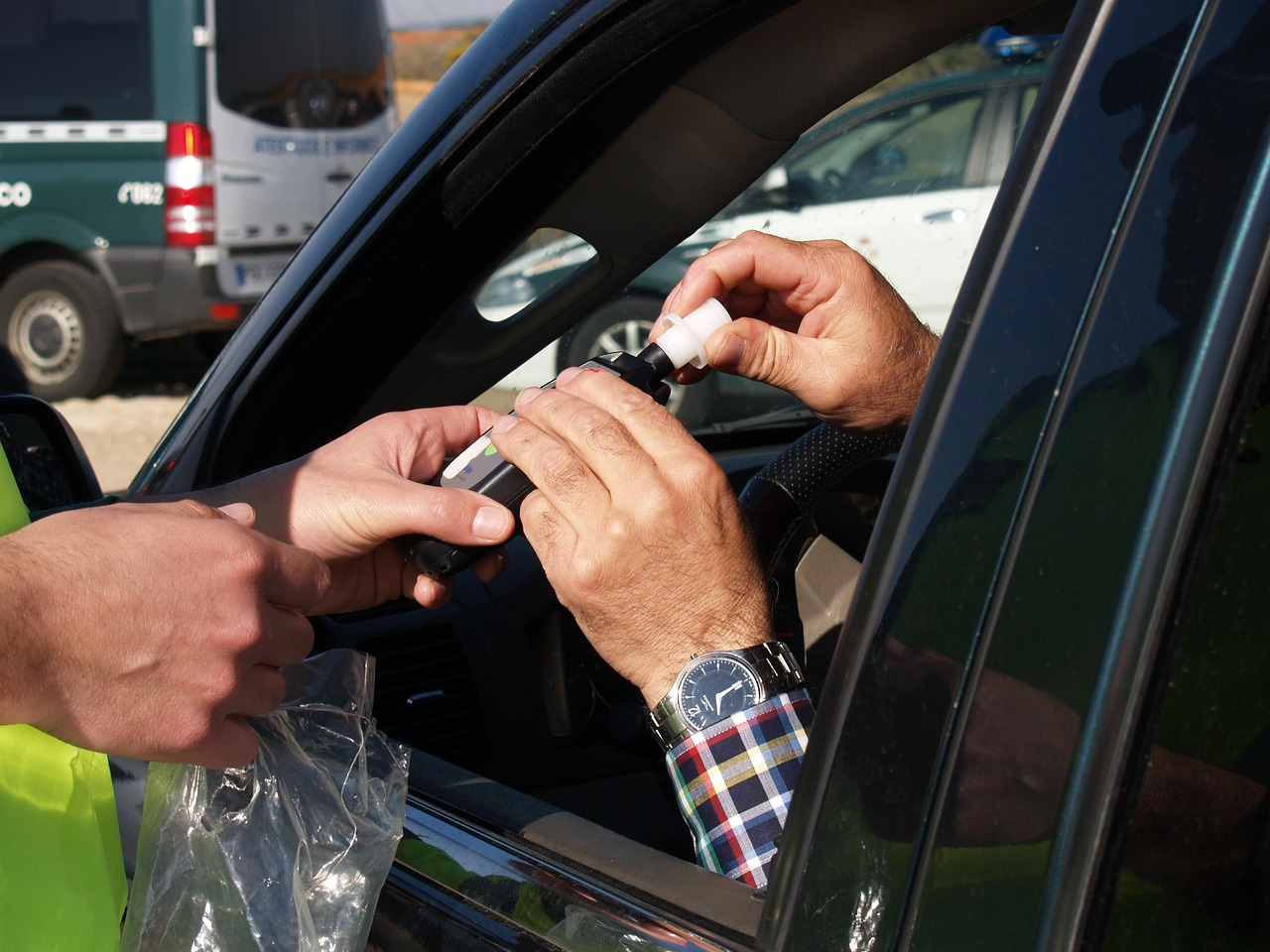
If you’re pulled over for a sobriety test, the most important thing is simple: stay calm, follow basic instructions, and avoid saying more than necessary. What you do and say during those first few minutes can directly affect your legal situation.
Police officers are trained to observe behavior, speech, and physical signs during traffic stops. Police officers try to probe into things like "How long does alcohol stay on your breath?" to establish cause for further testing.
You’re required to provide identification and cooperate with basic requests, but you’re not required to answer incriminating questions. Knowing that distinction helps you stay in control of the situation without making it worse.
As soon as you notice police lights or hear a siren, signal and pull over safely.
Choose a spot that’s well-lit and off the road if possible. Once stopped:
This isn’t just about compliance; it sets the tone. A calm, controlled response can help prevent unnecessary escalation and reflects well on you.
During the stop, you must provide:
You’re within your rights to remain silent beyond basic identification.
This is where many people get confused.
Field sobriety tests (FSTs), like walking in a straight line or balancing on one leg, are often voluntary in many states. You can decline them, although officers may not always make that clear.
Chemical tests, such as breath, blood, or urine tests, are different. Under implied consent laws, refusing these tests after arrest can lead to automatic license suspension and other consequences.
If you’re unsure, it’s okay to ask:
“Is this test mandatory?”
That one question can help you make a more informed decision in the moment.
Even if you believe the stop is unfair, don’t argue or resist.
You can always challenge the legality of the stop later in court. Trying to do it on the roadside rarely helps and often makes things worse.
If possible, mentally note key details during the stop:
These details can become important later, especially if your attorney needs to review whether proper procedures were followed.
After the stop, don’t post about it.
Even casual posts, like jokes, photos, or comments, can be used as evidence. Prosecutors may look for inconsistencies between what you said online and what you claim in court.
It’s best to keep everything offline until your case is resolved.
Many DUI cases are built, or challenged, based on what happens during the initial stop.
Your lawyer will likely look at questions like the following:
If there are errors or violations, that evidence may be challenged or even thrown out.