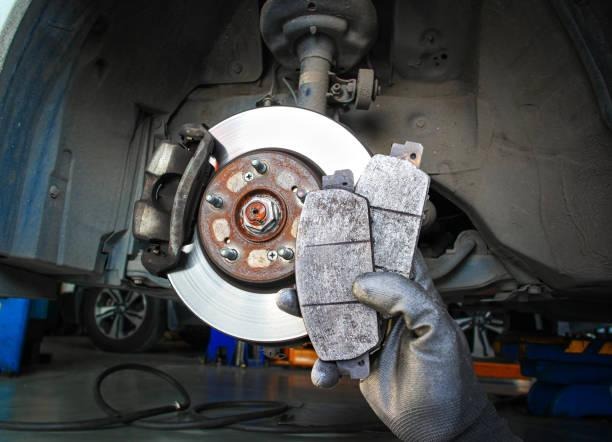
Brake pads in German cars commonly last 30,000 to 50,000 miles, though aggressive city driving can shorten this to 25,000 to 35,000 miles. Rotors often reach 50,000 to 70,000 miles, sometimes more if pad wear is well managed.
In Dunwoody, a well-developed suburb just northeast of Atlanta, daily driving often revolves around high-traffic corridors like I-285 and GA-400. The area is known for its busy commercial zones, including Perimeter Center, where frequent stops, lane changes, and short-distance trips naturally increase brake usage compared to steady highway driving.
If you own a precision-built luxury vehicle, staying ahead of brake wear becomes essential—and relying on experienced professionals for BMW repair in Dunwoody, GA helps ensure early detection, smoother braking performance, and avoids the higher costs that come with delayed replacements.
In this article, let’s take a closer look at how long brake pads and rotors really last in German cars and what factors can impact their lifespan.
German vehicles like BMW, Mercedes-Benz, and Audi are engineered for performance, which directly affects how their brakes behave. Understanding this difference helps owners set realistic expectations for brake service intervals.
These cars use softer brake pad compounds that deliver strong stopping power but wear down faster than pads on standard vehicles. The braking systems are also designed to prioritize feel and response over pad longevity. This means German car owners often need brake service sooner than drivers of non-performance vehicles.
Brake pad lifespan depends heavily on driving style, traffic conditions, and the specific model you own. Aggressive driving, frequent highway use, and city stop-and-go traffic all shorten pad life considerably.
Checking pad thickness during routine service is the most reliable way to stay ahead of wear.
Rotors generally outlast brake pads, but are not immune to damage from neglect. Delaying pad replacement is one of the fastest ways to shorten rotor life well below the expected 50,000 to 70,000-mile range.
Certain driving habits and maintenance gaps cause rotors to degrade well before their expected lifespan. Knowing these triggers helps you avoid unnecessary replacement costs.
Rotors that are deeply grooved or warped cannot be resurfaced and must be fully replaced.
Recognizing early warning signs gives you time to schedule service before damage spreads. Most German cars also have built-in sensors that alert you when pads reach a critical thickness.
Common signs include squealing or squeaking during normal braking, a grinding noise that indicates metal-on-metal contact, and vibration through the brake pedal when slowing down. A pulling sensation to one side while braking can also point to uneven pad wear or a sticking caliper. Never ignore these signs in a performance vehicle, as brake issues escalate quickly.
Proper habits and timely BMW repair service can meaningfully extend the life of your brake components. Small adjustments in driving style also make a measurable difference.
If you are from the region, it’s best to go for a trusted Mercedes repair in Atlanta to ensure your vehicle is maintained with proper expertise and care for German engineering standards.