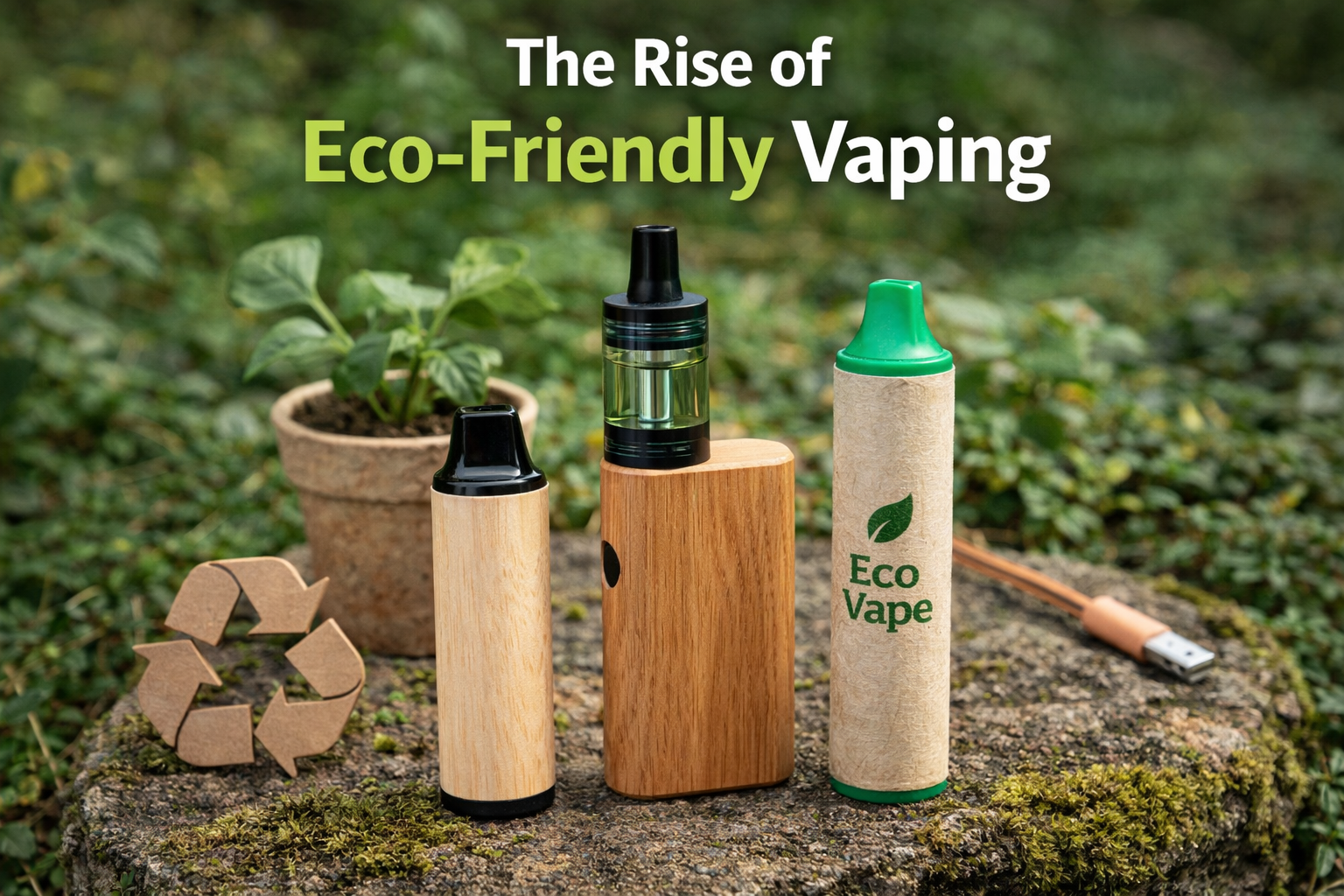
We all want to make better choices for the environment. You probably recycle your cardboard, carry a reusable water bottle, and try to cut down on single-use plastics. But if you use disposable vapes, you might feel a sharp pang of guilt every time you toss an empty plastic tube into the trash. The vaping industry produces millions of discarded devices every month. This creates a massive, undeniable electronic waste problem.
However, a major shift is happening right now. Innovative brands are completely rethinking how they build these products. They want to give you the absolute convenience you love without the heavy environmental toll. The market is slowly pivoting toward eco-conscious engineering, blending cutting-edge technology with sustainable practices.
This article explores how modern disposable vapes are evolving for a sustainable future. We will look closely at modular designs, recyclable materials, and how tech-savvy engineering is actively solving the e-waste crisis, featuring real product examples and practical tips.
To understand why the industry needs to change, we must first look at the waste created by older vaping devices. For years, manufacturers focused entirely on cheap, fast production. This approach created two massive environmental hurdles.
Every standard disposable vape contains a small lithium-ion battery. When you throw the device into a regular trash bin, that battery ends up in a landfill. Over time, the battery casing degrades and leaks harmful chemicals into the surrounding soil and water supply. Furthermore, lithium is a precious, heavily mined resource. Throwing away a perfectly good, rechargeable battery after just a few days of use represents a terrible waste of raw materials.
If you use one disposable vape per week, that's over 50 batteries dumped per year—just from one user. Multiply that by millions and the environmental impact becomes clear.
Beyond the battery, standard disposables feature thick plastic outer shells, silicone stoppers, and rubber mouthpieces. These specific materials do not biodegrade. They sit in landfills for centuries. Because manufacturers glue the internal wires, cotton, and plastic together tightly, recycling centers struggle to pull the usable materials apart. This means the entire unit simply becomes permanent garbage.
A 2024 study found that less than 10% of disposable vapes on the market are recyclable with standard municipal recycling programs. This means most used devices will remain in landfills indefinitely.
Engineers realized that throwing away a computer chip and a lithium battery just because the flavor ran out makes zero sense. Their solution directly appeals to both eco-conscious consumers and tech enthusiasts: the modular disposable vape.
Several leading brands recently introduced split-design devices. The first one is Off-stamp build the trend, the Foger vapes, Geek Bar also followed and released some similar models. Instead of housing everything in one sealed plastic tube, they separate the power source from the liquid. You buy a reusable magnetic battery dock that contains the main processing chip and the charging port.
When you want to vape, you simply snap a small, pre-filled flavor pod onto the battery base. This "power bank" logic perfectly matches how you already use your other daily tech gadgets. The strong magnetic connection provides a satisfying, mechanical click that tech lovers truly appreciate.
And till now, there are more and more disposable vape brands released this modular design vapes, and there are following:
This modular approach dramatically reduces your environmental footprint. You keep the heavy battery and the digital screen for months at a time. When the flavor runs dry, you only throw away the small, lightweight plastic pod. This cuts your personal e-waste output by more than half. You still get the absolute convenience of a fresh coil and a clean tank, but you stop throwing away precious lithium batteries every week.
Redesigning the internal hardware represents just one part of the solution. Forward-thinking brands are also completely overhauling the exterior materials they use to build these devices.
Many companies now proudly use post-consumer recycled (PCR) plastics for their device shells. Instead of manufacturing brand-new plastic, they melt down existing waste to form the vape casing. This process uses significantly less energy and helps clear plastic out of our oceans and landfills. Devices made from PCR plastics feel just as durable and premium as older models, but they carry a much lighter environmental footprint.
Brands such as RELX and ELFBAR in 2025 began rolling out PCR-shelled products, even advertising the percentage of recycled content right on their packaging.
Some bold manufacturers take sustainability a step further by ditching plastic entirely. You can now find disposable vapes wrapped in tightly rolled, heavy-duty craft paper. Others use highly durable hemp-based bioplastics that break down naturally over time. These organic textures give the devices a unique, premium grip. They stand out beautifully against a sea of glossy, synthetic plastics.
As of 2026, some start-ups are piloting disposable vapes with paper outer casings in select eco-friendly markets, offering consumers a compostable option.
Sustainability is not just about the physical materials. It is also about how efficiently a device uses its available power. High-tech engineering helps reduce waste by making devices last significantly longer.
Modern vapes feature advanced dual-core processors that manage internal temperatures perfectly. These smart chips regulate the electrical draw from the battery. They ensure the coil never gets too hot and the battery never drains too quickly. Because the power management runs so efficiently, the battery undergoes less physical stress. This allows you to recharge the device hundreds of times before the battery actually degrades.
The RAZ LTX DC25000, for instance, uses adaptive voltage technology that automatically adjusts to your inhaling style, resulting in less battery strain and more efficient power use for the life of the device.
Just two years ago, a standard disposable vape offered roughly two thousand puffs. Today, highly efficient engineering allows brands to pack twenty to thirty thousand puffs into a single device. By purchasing one high-capacity device instead of ten smaller ones, you drastically reduce the amount of packaging, plastic, and shipping materials required to support your habit. Buying in bulk through high-capacity hardware acts as a very simple, effective form of waste reduction.
A device like the Geek Bar Clio Platinum 50K Kit can easily last a moderate vaper several weeks before needing replacement—meaning less frequent purchases, less packaging, and less overall trash.
The industry provides innovative hardware, but you hold the responsibility of using it correctly. You can easily make your daily vaping habits much greener by following a few simple steps.
You should absolutely never throw a vape battery into your kitchen trash can. Instead, designate a small box in your home for empty devices. Once the box fills up, take the devices to a local electronics recycling center. Many major electronics retailers and dedicated vape shops also offer secure drop-off bins specifically for lithium-ion batteries. Taking ten minutes out of your month to drop off your devices safely keeps harmful chemicals entirely out of our soil.
Major chains like Best Buy or Home Depot often have e-waste recycling programs, so it’s worth checking locations near you or asking your local vape shop about proper disposal.
Companies track exactly what consumers buy. If you want the industry to become more sustainable, you must spend your money on eco-friendly products. Look for brands that clearly advertise their recycling initiatives, use modular designs, or package their products in recycled cardboard. When sales for modular and eco-friendly devices skyrocket, other major brands will quickly abandon their wasteful manufacturing habits to keep up.
The rise of eco-friendly vaping proves that we can enjoy modern convenience without destroying the planet. Modular battery docks, recycled materials, and highly efficient microchips represent a massive leap forward for the entire industry.
You have the power to drive this positive change. Switch to a modular system, seek out brands using sustainable materials, and always recycle your empty hardware. By making slightly smarter, tech-savvy choices today, you help build a much cleaner, greener future for everyone.