You notice it in small moments first. A school photo comes home, and your child stands a little shorter than most. A basketball tryout happens, and height suddenly feels like a bigger deal than it used to. That’s usually when the late-night searches begin—height growth supplements for kids, do they actually work, is something being missed.
One name that often shows up early in those searches is NuBest Tall Gummies, a popular U.S. supplement marketed for kids’ growth support. The branding feels reassuring, the format is kid-friendly, and the ingredient list looks… reasonable at first glance. But here’s the thing—what looks promising on a label doesn’t always translate into actual height gains. That gap matters.
So let’s unpack what’s really going on.
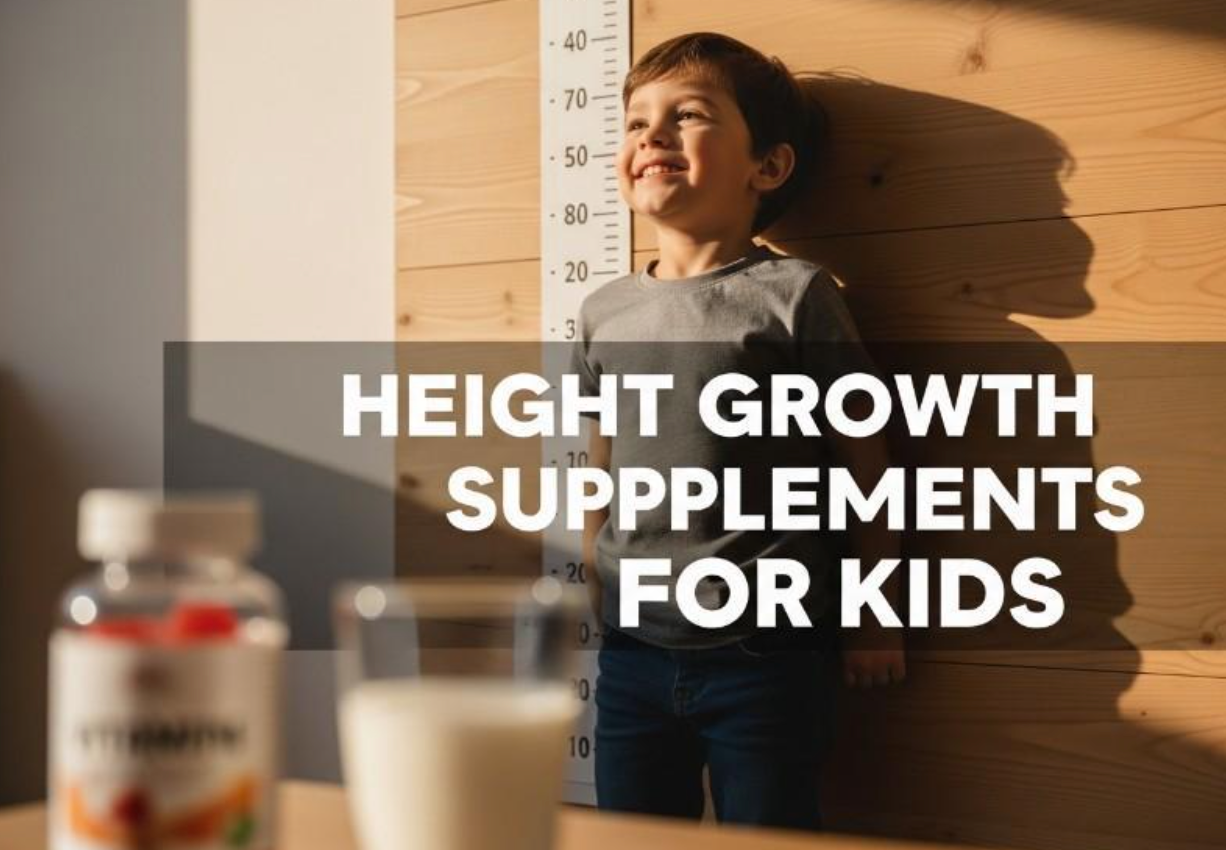
Height growth supplements for kids are dietary products—gummies, powders, capsules—marketed to support or “enhance” growth.
You’ll find products like NuBest Tall Gummies positioned right at the front of this category. They’re easy to take (which matters if you’ve ever tried convincing a child to swallow capsules), and they combine vitamins, minerals, and sometimes herbal extracts.
Typical formats include:
Now, here’s what tends to happen. Marketing leans heavily on phrases like “supports maximum growth potential” or “helps kids grow taller during puberty.” Those phrases sound specific—but they’re actually carefully worded to avoid making medical claims.
And that distinction? It matters more than it seems.
How Growth Actually Works in Children
Height is primarily determined by genetics, with biology setting clear limits early on.
You inherit a height range, not a fixed number. That range plays out over time through growth plates—soft areas at the ends of bones (epiphyseal plates). These plates stay open during childhood and adolescence, then close after puberty. Once closed, growth stops. No supplement reopens them.
Growth also depends on:
Over-the-counter supplements in the U.S. cannot contain real HGH. That’s a prescription-only treatment.
And here’s something often overlooked: growth isn’t linear. Some kids shoot up early. Others wait. That delay can feel alarming—but it’s often just timing.
Most products—including NuBest Tall Gummies—use a familiar mix of nutrients. The overlap across brands is almost identical.
NuBest Tall Gummies, for example, emphasize calcium and vitamin D, which makes sense nutritionally. But that doesn’t mean extra intake equals extra inches.
What tends to happen instead: if a child already eats balanced meals, the body simply uses what it needs and discards the rest.
No strong scientific evidence shows that supplements increase height beyond genetic potential in healthy children.
That sounds blunt, but it reflects how growth biology behaves in real life.
There are scenarios where supplements help:
In those cases, growth may look “improved” after supplementation—but that’s correction, not enhancement.
This is where expectations quietly shift. Many parents expect visible height changes within months. What usually shows up instead is… nothing dramatic. Maybe improved energy. Maybe better appetite. Height? Still tracking along the same percentile line.
Dietary supplements in the U.S. are regulated under DSHEA, meaning they are not FDA-approved before sale.
That creates a gray area.
Here’s how it plays out:
So, evaluation becomes your responsibility.
Look for:
Also—more isn’t better.
Excess intake can lead to:
And yes, even gummies can cause problems if overused. Easy to forget, especially when they taste like candy.
Sometimes the concern isn’t about supplements at all—it’s about growth patterns.
You need medical evaluation when growth deviates from expected patterns.
Watch for:
A pediatric endocrinologist may test for:
Prescription growth hormone therapy exists—but it’s tightly controlled, expensive, and reserved for specific diagnoses.
That path looks very different from buying a supplement online.
Daily habits influence growth more consistently than supplements.
Not in a dramatic, overnight way—but steadily, over years.
Here’s something that often gets missed—kids who sleep late, skip meals, or rely heavily on processed snacks sometimes show slower growth patterns. Not always, but often enough to notice a pattern.
Height growth supplements typically cost $20–$60 per month, totaling $240–$720 annually.
That adds up quickly.
Before committing, consider:
In many cases, investing in:
…ends up having a more measurable impact.
Not as exciting as a “growth gummy,” but more reliable over time.
Height carries social weight. That’s just reality.
You see it in:
But the long-term picture looks different. Many successful adults fall well within average—or below-average—height ranges.
What tends to matter more:
Height might shape early experiences. It doesn’t define outcomes.
Before buying any product—including NuBest Tall Gummies—pause and look closely.
Ask:
Be cautious with:
Growth doesn’t follow marketing timelines. It follows biology.
Most height growth supplements for kids support general nutrition—not increased height beyond genetics.
Products like NuBest Tall Gummies offer convenience and may help fill small nutritional gaps. That’s their real value. Not dramatic height transformation.
What tends to hold up over time:
The rest—the powders, gummies, bold promises—often fade into the background after a few months, especially when height keeps following its original curve.