
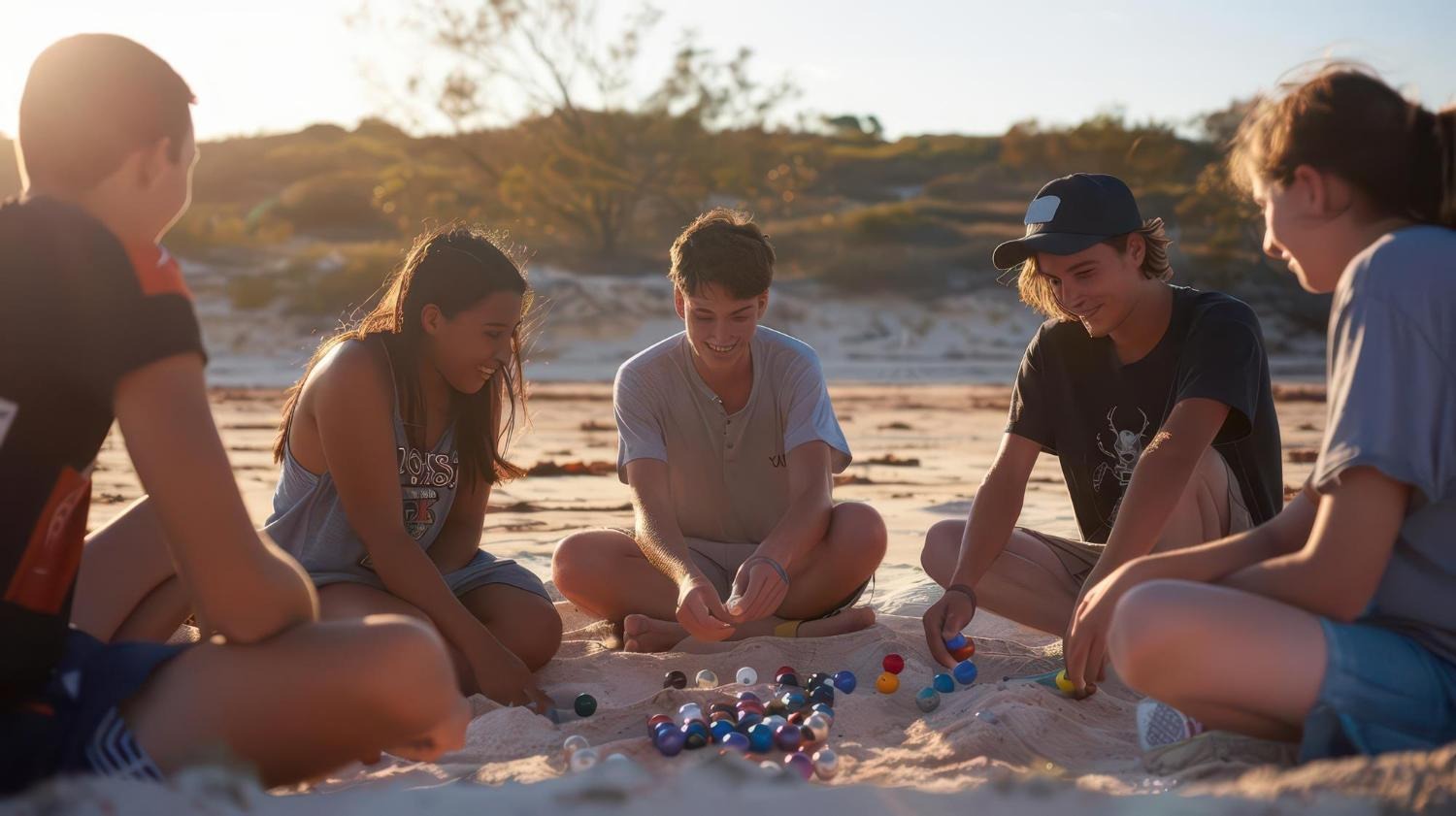
Life at the shore has always carried a certain rhythm. Mornings begin with walks along the beach, afternoons drift into time spent in the sun, and evenings invite people to slow down and gather. In places like Sea Isle, where community and tradition remain central to daily life, these shared moments take on special meaning.
While beach activities often define the daytime, it’s what happens after sunset that is quietly becoming just as important. More families and groups are rediscovering the value of simple, in-person entertainment, particularly games that bring everyone together around a table.
After a full day outside, there is a natural shift toward more relaxed, low-key activities. Instead of continuing the energy of the beach, evenings often call for something slower and more intentional.
Games fit perfectly into this transition. They require minimal setup, invite participation, and create a shared focus that helps people unwind together. Whether it’s a deck of cards, a classic board game, or a lively party activity, these moments provide a different kind of enjoyment, one centered on interaction rather than activity.
However, one common challenge can quickly disrupt the flow: figuring out how to play. Not everyone is familiar with the same games, and even well-known ones can have variations that lead to confusion. Playiro site is offering clear, easy-to-follow explanations for a wide range of card, board, and party games, it helps families and groups get started without unnecessary delays. Instead of spending time sorting through unclear instructions or debating rules, everyone can quickly understand the game and move straight into the experience, keeping the evening relaxed and enjoyable.
Shore towns have always been about connection, between neighbors, visitors, and families who return year after year. Games naturally support this sense of community because they bring people together in a way that feels inclusive and accessible.
Unlike more structured activities, games allow for flexibility. People can join in, step away, or simply observe without feeling out of place. This makes them ideal for mixed groups, where ages and interests may vary.
They also create opportunities for interaction that go beyond small talk. Shared challenges, friendly competition, and moments of humor help break down barriers and make it easier for people to connect.
For families, especially those balancing busy schedules throughout the year, time at the shore offers a chance to reconnect. Without the usual distractions of work, school, and daily routines, there is more space for meaningful interaction.
Games provide a natural structure for this kind of connection. They encourage conversation, cooperation, and shared focus, all within a relaxed environment.
Even simple games can create lasting memories. A close match, an unexpected win, or a moment of laughter can become part of the stories families carry with them long after their time at the shore has ended.
Beyond enjoyment, these shared experiences also support overall well-being. Social interaction plays a key role in maintaining mental and emotional health, particularly in environments that encourage relaxation and connection.
According to the National Institutes of Health, engaging in social activities can help reduce stress, improve mood, and support cognitive function. Group games, in particular, combine social interaction with mental engagement, making them a valuable addition to everyday routines.
In a setting like the shore, where people are already stepping away from daily pressures, these benefits become even more pronounced.
Many of the games played today have been passed down through generations. Card games, board games, and party games often carry a sense of nostalgia, connecting people not just to each other, but to the past.
At the shore, where traditions are an important part of the experience, these games help preserve a sense of continuity. Families return year after year, often bringing the same games with them, creating rituals that become part of their shared history.
At the same time, new resources and platforms are making it easier to introduce these traditions to new players. By simplifying the learning process, they ensure that these games remain accessible and relevant.
While technology continues to shape how people spend their time, there is a growing desire to balance digital experiences with more tangible, in-person activities. Games offer a way to achieve that balance.
They provide engagement without screens, interaction without distraction, and entertainment that feels grounded rather than overwhelming. This makes them particularly appealing in environments like the shore, where the goal is often to slow down and enjoy the moment.
As more people seek meaningful ways to connect, the role of simple, shared activities is likely to grow. Games, with their accessibility and adaptability, are well-positioned to remain a central part of this shift.
By making it easier to understand and enjoy these experiences, resources that simplify gameplay are helping to support this trend. They remove barriers, encourage participation, and allow people to focus on what matters most: spending time together.
At the shore, where life naturally slows down, the value of connection becomes more apparent. Simple activities, like gathering around a table to play a game, can have a lasting impact.
They bring people together, create shared memories, and offer a break from the distractions of everyday life. In a setting defined by community and tradition, these moments feel especially meaningful.
And sometimes, all it takes to create them is a clear set of rules, a willing group of players, and an evening with nowhere else to be.