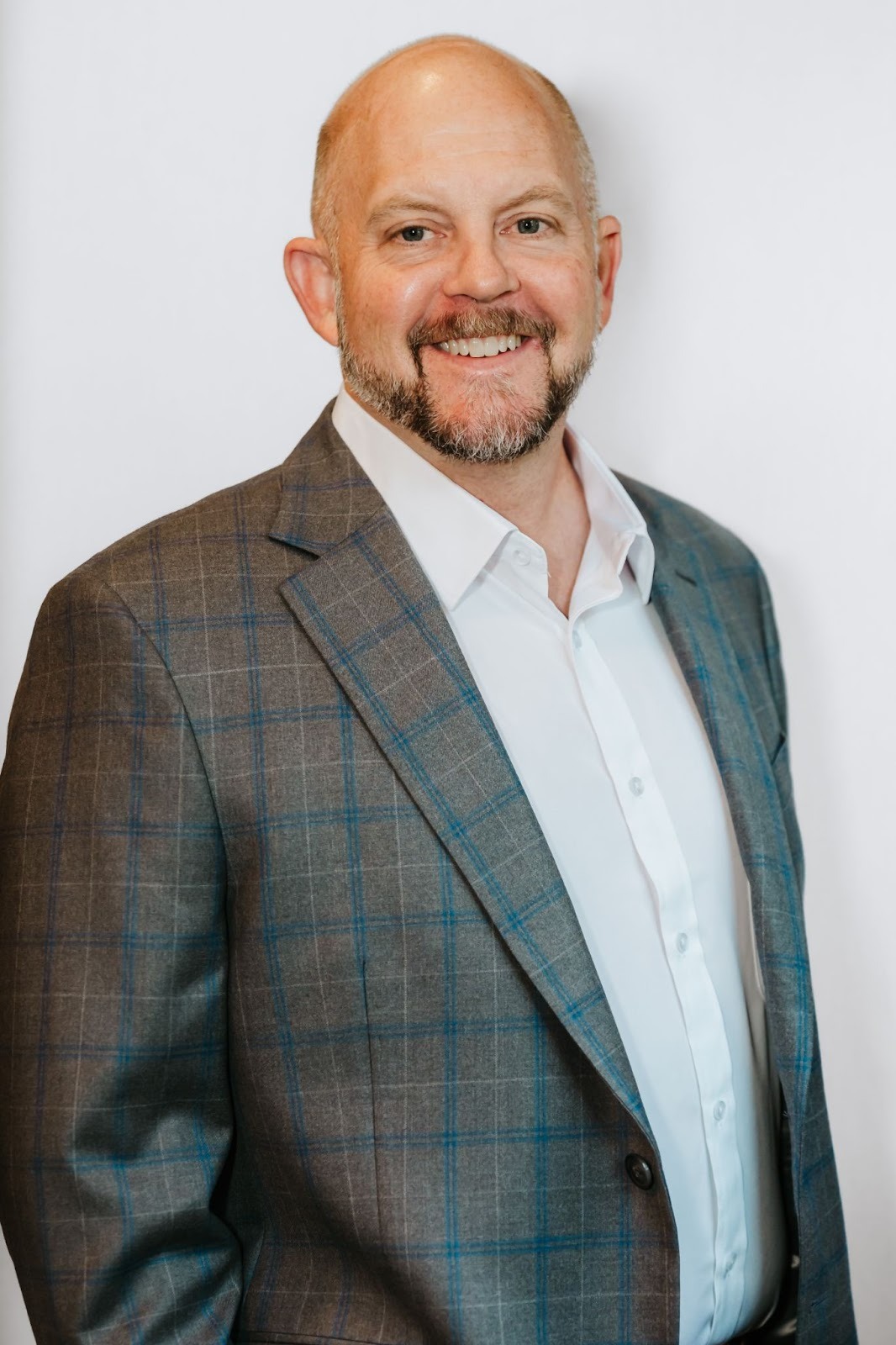
Bill Miller is the Chief Executive Officer of Vertical Health Services, a skilled nursing organization rooted in operational discipline and long-term thinking. With 25 years of experience across nearly every leadership level in post-acute care, Miller has become one of the more recognized voices in skilled nursing — not for branding, but for the way he actually runs facilities.
Bill Miller didn't start at the top. He worked his way through nearly every operational role the industry has: Nursing Home Administrator, Senior Administrator, Regional Vice President overseeing 12 centers, VP of Operations for 45 centers, Chief Operating Officer managing 70 centers, and eventually CEO. That progression matters because it means he has seen the same problems from multiple angles — staffing, reimbursement, compliance, family communication — and has had to solve them at each level.
He holds a degree in Long Term Care Healthcare Administration from Weber State University and an MBA from Washington State University. In Washington State, his peers elected him Board Chair of the Washington Healthcare Association, and in 2019 he was recognized for his advocacy work on behalf of the industry.
Vertical Health Services operates under a straightforward premise: clinical quality, financial health, and regulatory compliance are not trade-offs. They are interdependent. Sacrifice one and the others follow.
That's easy to say and hard to execute. In skilled nursing, it means managing facilities where patients arrive from hospitals earlier and sicker than they did a decade ago, where staff shortages are chronic, and where public scrutiny — driven by online reviews and regulatory transparency tools — is higher than ever. Miller's argument is that organizations fail when they treat these pressures as separate problems to be solved in separate departments. They need to be managed together.
One of the clearest windows into Miller's management style isn't a strategic initiative. It's a broom.
After acquiring a group of facilities, Miller was walking through one of the buildings when a housekeeper stopped him to thank him — for buying her a broom. The previous ownership hadn't provided the basic tools staff needed to do their jobs. Miller calls the moment embarrassing. It stuck with him.
The lesson he drew from it: small operational details aren't trivial. They signal whether leadership actually pays attention. When staff don't have what they need to do their work, it erodes morale, and eroded morale erodes care. At Vertical Health Services, that story shapes how he thinks about operational readiness across every facility.
When a patient transitions from a hospital to a skilled nursing facility, the environment changes substantially — routines, staff ratios, expectations. Families often assume they're getting the same level of constant acute care. They aren't. Miller argues that the gap in understanding is a communication failure on the facility's part, not the family's.
His focus is on communicating not just clinical plans but daily details: shower schedules, meal preferences, activity options, religious services. These aren't soft concerns. For residents who may be cognitively impaired, anxious, or transitioning out of crisis, routine is part of care. For families, knowing these details exist is what builds trust.
The behind-the-scenes work — medication management, therapy coordination, compliance documentation — is equally important to communicate. Families rarely see it. If organizations don't explain what's happening, families fill the gap with worry or complaint. Transparency isn't a PR strategy. It's an operational requirement.
Ask Miller where most skilled nursing organizations go wrong and he'll point to siloed thinking. Finance optimizes for margin. Clinical optimizations for outcomes. Compliance reacts to audits. Nobody is managing the system.
His framing is direct: you cannot have financial stability without clinical quality, and you cannot sustain clinical quality without financial stability. A facility that cuts staffing to hit a quarterly target will see outcomes decline. Declining outcomes damage occupancy and referral relationships. That compounds into a financial problem that dwarfs the original savings.
The regulatory dimension works the same way. Shortcuts taken under pressure become compliance vulnerabilities. In skilled nursing, a single deficiency can trigger survey scrutiny, civil monetary penalties, and public reporting that affects census for years.
Miller's response to this isn't to prioritize one dimension over another. It's to hold all three accountable to each other simultaneously — and to make that integration visible to his leadership team so they're solving for the system, not just their department.
Miller's leadership development philosophy centers on communication and autonomy. He communicates expectations clearly, explains the reasoning behind decisions, invites questions, and then gives leaders room to execute. Micromanagement may produce short-term compliance. It rarely produces leaders who own outcomes.
That philosophy extends to how he thinks about organizational legacy. In a heavily regulated environment with constant reimbursement pressure, it's tempting to make decisions that solve this quarter's problem while creating next year's. Miller is explicit about resisting that. The goal at Vertical Health Services is sustainable performance — not survival through reactive management.
Capital planning, staffing strategy, compliance investment: all of it gets evaluated against long-term viability, not just the nearest reporting period.
Miller's answer to this question is consistent: balance. Exceptional organizations don't sacrifice clinical outcomes for financial performance, or cut compliance investment under growth pressure. They understand that every decision they make touches multiple systems at once, and they build leadership teams that see those connections.
That's harder than it sounds in an industry where margins are thin, staffing is volatile, and regulatory requirements are complex and evolving. But Miller's position is that organizations failing to maintain that balance aren't just underperforming — they're accumulating risk that will eventually surface.
The skilled nursing sector is under structural pressure. Reimbursement models are changing. Workforce shortages haven't been resolved. Patient acuity continues to increase. Post-pandemic stress exposed operational weaknesses across the industry.
In that context, leadership philosophy isn't abstract. Organizations led by executives who understand the interdependence of clinical, financial, and regulatory operations perform differently — in surveys, in outcomes, in staff retention, in family satisfaction.
Bill Miller and Vertical Health Services represent a model built on operational experience rather than theory. The approach is straightforward: be transparent, hold yourself accountable, communicate relentlessly, and make decisions with the long term in mind.
For families evaluating skilled nursing options, those principles translate into environments where leadership is paying attention to details — including whether the housekeeper has a broom.