
Bed bugs are back in the conversation because more people are dealing with them in apartments, condos, and single-family homes. One introduction can turn into weeks of laundry and sleep. The increase in infestation is showing up across major metros.
Travel is the main engine. Bed bugs do not ride on people like fleas; they move in belongings. One overnight bag, one suitcase, or one folded jacket can carry them home. The second driver is dense housing. In multi-unit buildings, bugs can move through wall voids and along utility lines, so one untreated unit can keep feeding the building.
Here’s the part many people miss: DIY “bug bombs” can make the spread worse. Total-release foggers are discouraged by public health authorities because the aerosol doesn’t reach deep hiding spots and can push bed bugs farther into a structure.
Because bed bugs can hide in cracks, furniture seams, and even wall voids, eliminating them completely requires more than surface-level solutions. Many homeowners dealing with persistent infestations turn to professional bed bug treatment services to address the problem at every stage of the lifecycle.
People often search for states with the most bed bugs, but “most” depends on the data source. National pest control rankings usually track service calls, so they heavily reflect population density and travel volume. Large transit hubs keep landing near the top year after year.
So, which state has the most bed bug infestations? The honest answer is that it changes by list and by year. A better way to think about risk is to look at where you live and how you live. High-rise apartments, frequent travel, used furniture, and short-term rentals raise the odds no matter the state.
A practical habit that fits city living is preventive pest control when a building has recurring issues or high turnover.
Bites alone are a weak clue. Some people react strongly, others barely react, and timing can be delayed. Look for a cluster of signals instead.
Common signs of infestation include:
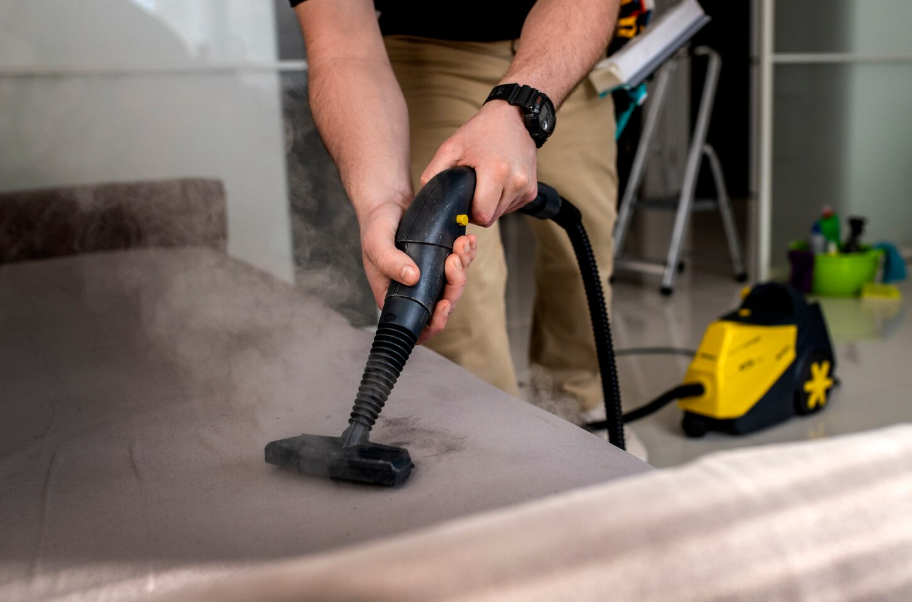
If you’re checking a couch or recliner, focus on seams, zippers, and the underside where fabric is stapled to the frame.
Health Canada and the CDC advise against taking mattresses or sofas from the curb, even when they look clean, because bed bugs can survive for months in those items.
In public housing settings, the U.S. Department of Housing and Urban Development (HUD) guidance stresses that tenants should not be charged for bed bug treatments, since cost fears can keep reports quiet and let infestations spread building-wide. Even outside public housing, that logic holds. Report early, ask about adjacent units, and document dates and responses in writing.
Making the bed does not create an infestation. Bed bugs increase when they have access to a host and safe hiding spaces.
A neatly made bed can hide early evidence. When you’re monitoring after travel or after a building report, keep bedding simple for a few days so spotting and small blood marks don’t get buried under layers. Clutter is the bigger issue. HUD and the EPA recommend reducing clutter, especially under the bed, because it creates more hiding spots and complicates treatment.
Speed helps, but random spraying often backfires. Start with containment, then targeted actions.
In the first 48 hours, do these:
After that, focus on the whole sleep area, not just the mattress. Bed bugs can settle into nightstands, headboards, baseboards, and outlet plates. If you live in an apartment, loop in property management early so adjacent units can be checked.
Some infestations overlap with other pests, but the fix is not interchangeable. A roach infestation calls for different monitoring and different treatment products, so correct identification matters.
The increase in bed bugs tracks with travel, dense housing, and secondhand items, so 2026 keeps bringing new reports. If you know the signs of bed bug infestation and you act in a contained, methodical way, you can stop a small introduction from becoming a long project.
For more local updates and practical home coverage, read our local news section.