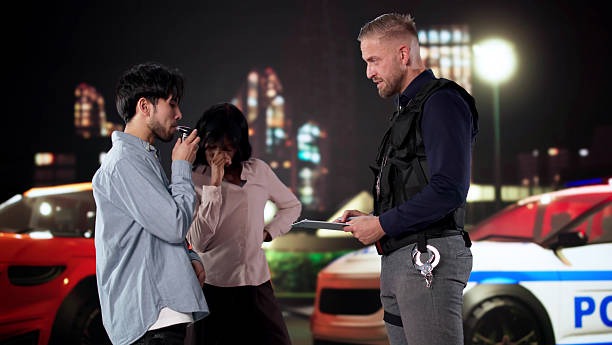
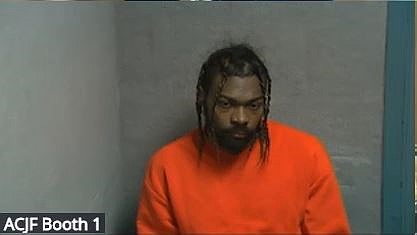
Driving under the influence (DUI) laws in the United States are strictly enforced to keep roads safe and reduce alcohol-related accidents. Most drivers understand that consuming alcoholic beverages can lead to a failed breathalyzer test, but many are unaware that certain foods, drinks, and everyday products may also influence breath test readings.
Breathalyzers detect alcohol present in a person’s breath, and even small traces from unexpected sources can sometimes affect the results, potentially leading to a false positive BAC test. Certain types of foods and drinks, like fermented foods (ripe fruit and kombucha), yeast-based items (bread and pastries), sugar-free products, vinegar-based dressings, energy drinks, and alcohol-based mouthwashes, may affect the breathalyzer results.
Understanding how these factors work can help drivers avoid confusion during roadside tests and reduce the risk of unintended DUI complications.
A breathalyzer measures the amount of alcohol in your breath to estimate your blood alcohol concentration (BAC). Law enforcement officers commonly use these devices during traffic stops to determine if a driver is impaired. In the United States, the legal BAC limit for drivers in most states is 0.08%. Even small traces of alcohol can sometimes influence test readings.
Breathalyzers are designed to detect alcohol in deep lung air, but they can also pick up alcohol lingering in the mouth. This is called residual or mouth alcohol. Certain foods, beverages, and even hygiene products may temporarily leave alcohol in the mouth. When this happens, a breathalyzer reading may appear higher than the person’s actual BAC.
Some everyday foods naturally contain small amounts of alcohol due to fermentation. Items such as ripe fruits, fermented foods, and certain desserts may include trace levels of alcohol. Foods like bananas, bread products, or vanilla extract–based desserts can leave minimal alcohol residue. Although the amount is usually tiny, it can sometimes affect a breath test shortly after consumption.
Fermented foods are common in many diets and can contain low levels of alcohol. Products like kombucha, sauerkraut, and some soy-based sauces go through fermentation processes. This process produces small amounts of ethanol as a byproduct. Eating these foods immediately before a breath test could potentially lead to a brief spike in readings.
Many people assume that non-alcoholic beverages contain zero alcohol, but that is not always true. Drinks labeled “non-alcoholic” in the United States may legally contain up to 0.5% alcohol by volume. Kombucha, non-alcoholic beer, and certain fermented drinks fall into this category. Consuming them right before driving could create detectable traces in your breath.
Some hygiene products contain alcohol as an ingredient. Mouthwash, breath fresheners, and oral sprays often use alcohol to kill bacteria and create a clean feeling. Using these products shortly before a breathalyzer test can temporarily increase readings. This is why officers typically observe a waiting period before administering a test.
Certain health conditions and diets may also influence breathalyzer results. People on low-carb or ketogenic diets can produce higher levels of acetone in their breath. Some breathalyzer devices may mistake these compounds for alcohol. Medical conditions such as acid reflux can also cause alcohol from the stomach to move into the mouth.
To reduce the chance of false readings, officers often follow a 15-minute observation period before conducting a breath test. During this time, the individual should not eat, drink, smoke, or place anything in their mouth. This waiting period helps ensure that mouth alcohol dissipates. It allows the breathalyzer to measure alcohol from the lungs instead of residue in the mouth.
Even though certain foods and drinks can temporarily affect readings, breathalyzer tests remain an important tool in DUI enforcement. Courts generally consider them reliable when proper procedures are followed. However, unusual readings may sometimes be challenged with additional evidence. Factors such as testing conditions, device calibration, and timing can all play a role.
Drivers should be cautious about what they consume before getting behind the wheel. Eating fermented foods or using alcohol-based products right before driving could create unexpected results. Allowing time for any residue to dissipate can help avoid confusion during a roadside test. Responsible driving habits are the best way to reduce DUI risk.
● Breathalyzers measure alcohol in breath to estimate BAC and enforce DUI laws in the United States.
● Certain foods, fermented products, and non-alcoholic drinks may contain small traces of alcohol.
● Mouthwash, breath sprays, and hygiene products can temporarily increase breathalyzer readings.
● Health factors such as keto diets or acid reflux may influence breath test results in rare cases.
● Law enforcement typically uses a 15-minute observation period to reduce false readings.
● Waiting before driving after consuming certain foods or products can help avoid inaccurate results.
● The safest way to avoid DUI risk is to never drive after consuming alcohol.