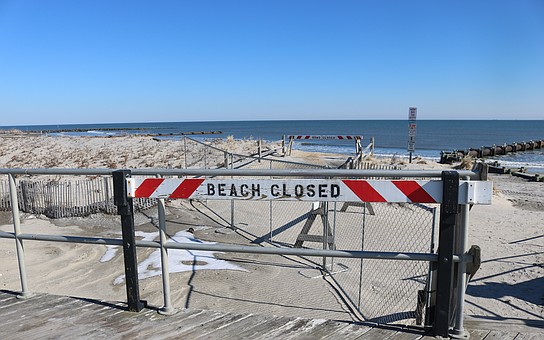
Waterfront properties offer unique beauty and recreational value, but they also face constant environmental pressure. Waves, fluctuating water levels, seasonal storms, and surface runoff continuously shape the edge where land meets water. Without proper reinforcement, this natural movement gradually reduces usable land and threatens nearby improvements. Long-term protection requires a thoughtful and strategic approach.
Many property owners only notice a problem once visible soil loss or collapsing edges appear. By that time, erosion may already be affecting stability beneath the surface. Implementing shoreline erosion control early prevents progressive land degradation and preserves both safety and value.
With professional planning from Mountain Stone, shoreline erosion control becomes an investment in durability rather than a reaction to damage. Structured stabilization preserves land contours, supports surrounding structures, and strengthens resilience against future environmental stress.
Shorelines exist in dynamic environments. Waves repeatedly strike the land’s edge, loosening soil particles over time.
Even small, consistent wave action gradually weakens exposed areas.
Repeated water contact softens soil structure.
Shoreline erosion control addresses these forces by reducing direct wave impact.
Early intervention slows progressive land loss.
Water levels rise and fall throughout the year.
These changes expose and saturate soil in cycles.
Saturated soil becomes heavier and more prone to displacement.
Stabilization techniques reinforce edges during high water periods.
Balanced management protects against seasonal shifts.
Gradual soil loss reduces accessible shoreline area.
Over time, property boundaries may shift inward.
Shoreline erosion control preserves consistent edges.
Maintaining defined contours protects outdoor usability.
Stable land supports recreational access.
Docks, patios, and walkways rely on stable shoreline foundations.
Soil movement places these features at risk.
Reinforced edges prevent soil from washing away beneath structures.
Secure foundations reduce cracking and settling.
Stability protects built investments.
Water flowing downhill intensifies shoreline erosion.
Unmanaged runoff increases pressure at the water’s edge.
Strategic grading slows runoff before it reaches the shoreline.
Controlled flow reduces concentrated soil displacement.
Water management strengthens land resilience.
Plants play a crucial role in reinforcing shoreline soil.
Root systems bind soil and reduce movement.
Midway through many stabilization projects, Mountain Stone emphasizes how shoreline erosion control integrates vegetation support to strengthen natural reinforcement systems.
Stabilized soil provides better conditions for plant growth.
Healthy vegetation enhances long-term shoreline durability.
Natural reinforcement complements structural methods.
Unmanaged shoreline erosion often requires repeated soil replacement.
Short-term fixes fail to address underlying pressure.
Comprehensive stabilization reduces the need for constant maintenance.
Long-term solutions lower cumulative costs.
Durable planning protects financial investment.
Eroded shorelines create uneven surfaces and sudden drop-offs.
These conditions increase risk for slips and falls.
Reinforced edges establish clear transitions between land and water.
Stable footing improves confidence when navigating waterfront areas.
Safety improves through consistent reinforcement.
Sediment runoff affects aquatic ecosystems.
Excess soil entering water disrupts habitat and water quality.
Shoreline erosion control limits sediment displacement.
Balanced stabilization preserves ecological conditions.
Responsible management benefits both property and environment.
Storms intensify shoreline pressure.
High winds and heavy rain accelerate soil movement.
Mountain Stone works with property owners to ensure shoreline erosion control systems are designed to withstand seasonal storms and fluctuating water conditions.
Durable stabilization resists heavy rainfall and wave surge.
Prepared shorelines recover more effectively after storms.
Resilience reduces long-term impact.
Visible shoreline damage can discourage potential buyers.
Erosion concerns raise questions about future stability.
Well-maintained edges reflect responsible ownership.
Stable waterfront property strengthens buyer confidence.
Preserved shorelines protect long-term value.
Climate patterns and development alter water flow over time.
Shorelines require flexible planning.
Professional assessment anticipates future environmental stress.
Adaptable solutions maintain effectiveness as conditions evolve.
Forward planning supports lasting stability.
Waiting for visible collapse limits available options.
Early stabilization prevents large-scale land loss.
Timely shoreline erosion control minimizes disruption.
Preventive planning produces stronger outcomes.
Proactive decisions enhance protection.
Stable shorelines support recreational use, landscaping, and structural reliability.
Balanced edges improve both form and function.
Consistent land contours make waterfront areas more enjoyable.
Stable conditions allow confident use throughout the year.
Functionality depends on secure foundations.
Waterfront properties face constant environmental pressure that gradually reshapes land when left unmanaged. Strategic shoreline erosion control protects usable space, supports nearby structures, and preserves ecological balance. By managing wave impact, controlling runoff, and reinforcing soil, property owners reduce long-term risk and maintenance demands.
With thoughtful planning from Mountain Stone, shoreline erosion control becomes a proactive investment in stability and value. When stabilization is implemented early and strategically, waterfront properties remain secure, resilient, and prepared for ongoing environmental change.