
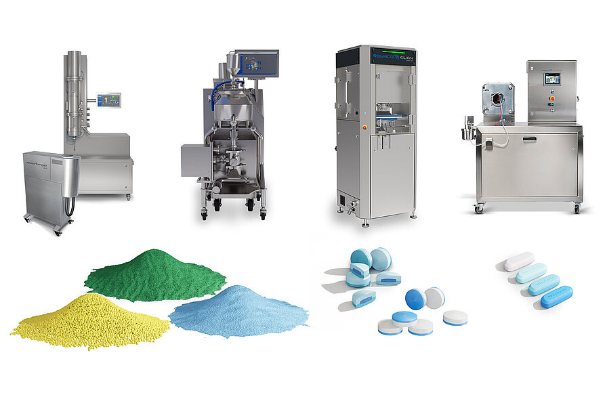
The pharmaceutical industry is currently undergoing a radical digital transformation. At the heart of this evolution is the Internet of Things (IoT), which is revolutionizing how drugs are produced, packaged, and tracked. As global demand for precision grows, IoT in pharmaceutical manufacturing has evolved from a “nice-to-have” innovation into a key enabler for efficiency, data integrity, and regulatory readiness. By embedding connectivity into the fabric of production lines, companies are unlocking smart pharma manufacturing solutions that ensure safety and strong regulatory alignment.
The Internet of Things (IoT) refers to a network of physical objects embedded with sensors and software that allow them to collect and exchange data. In a modern plant, a tablet press or a liquid filler is no longer an isolated asset. Instead, it is a "connected" device. For instance, connected packaging equipment now utilizes advanced data hubs to feed information into centralized systems, turning raw mechanical motion into actionable digital insights.
One of the most immediate impacts of IoT is the ability to monitor environmental and process parameters in real-time. Pharma products are sensitive; even a slight deviation in temperature, humidity, or pressure can ruin a batch.
Advanced machinery now incorporates sophisticated HMI systems, to provide a continuous stream of data. If a cooling system fluctuates, the system can automatically adjust parameters or alert operators before quality is compromised. This level of control is essential for maintaining "Golden Batch" consistency.
Traditional maintenance is either reactive or scheduled regardless of wear. IoT introduces predictive maintenance via the "Analytics" component of modern smart concepts. By using vibration and thermal sensors, the packaging machinery can identify early indicators of component failure and support predictive maintenance strategies.
● Reduced Downtime: Fixes are made during planned breaks.
● Cost Savings: Parts are replaced only when necessary, extending the lifecycle of the equipment.
● Efficiency: Machines operate at peak performance levels consistently.
Regulatory bodies demand rigorous documentation. IoT facilitates "Compliance by Design" by automating data capture. Instead of manual logs prone to human error, IoT systems provide a digital, time-stamped audit trail. This continuous monitoring supports consistent adherence to defined Critical Quality Attributes (CQAs), making the audit process significantly smoother and more reliable through secure electronic signatures and data integrity protocols.
The role of connected packaging equipment is vital in the fight against counterfeiting. IoT-integrated packaging lines, such as those utilizing the Promatic, can apply unique identifiers and aggregate data from the individual blister pack to the final pallet. This ensures that the product’s journey is documented at every step, supporting a highly secure and traceable chain of custody.
IoT integration extends beyond the factory walls. Smart sensors in shipping containers track the "Cold Chain" during transit. Furthermore, the rise of IoT-enabled "smart packaging" can track when a patient opens their medication, sending data back to healthcare providers to manage patient adherence—a critical factor in the success of complex therapeutic regimens.
Despite the benefits, integration is not without hurdles. Data security remains a top priority, as connected factories are potential targets for cyber-attacks. However, the convergence of IoT in pharmaceutical manufacturing with AI and cloud computing is expected to enable increasingly autonomous and self-optimizing manufacturing environments over time. Systems are already being designed to be more modular and scalable, ensuring that today's investments remain relevant in tomorrow's digital landscape.
IoT is fundamentally changing the pharmaceutical landscape. By turning machines into intelligent, communicative assets, manufacturers can achieve unprecedented levels of efficiency. As smart pharma manufacturing solutions continue to mature, the integration of technology from specialists like Romaco will remain the driving force behind the industry’s ability to deliver high-quality, life-saving medications to patients worldwide.