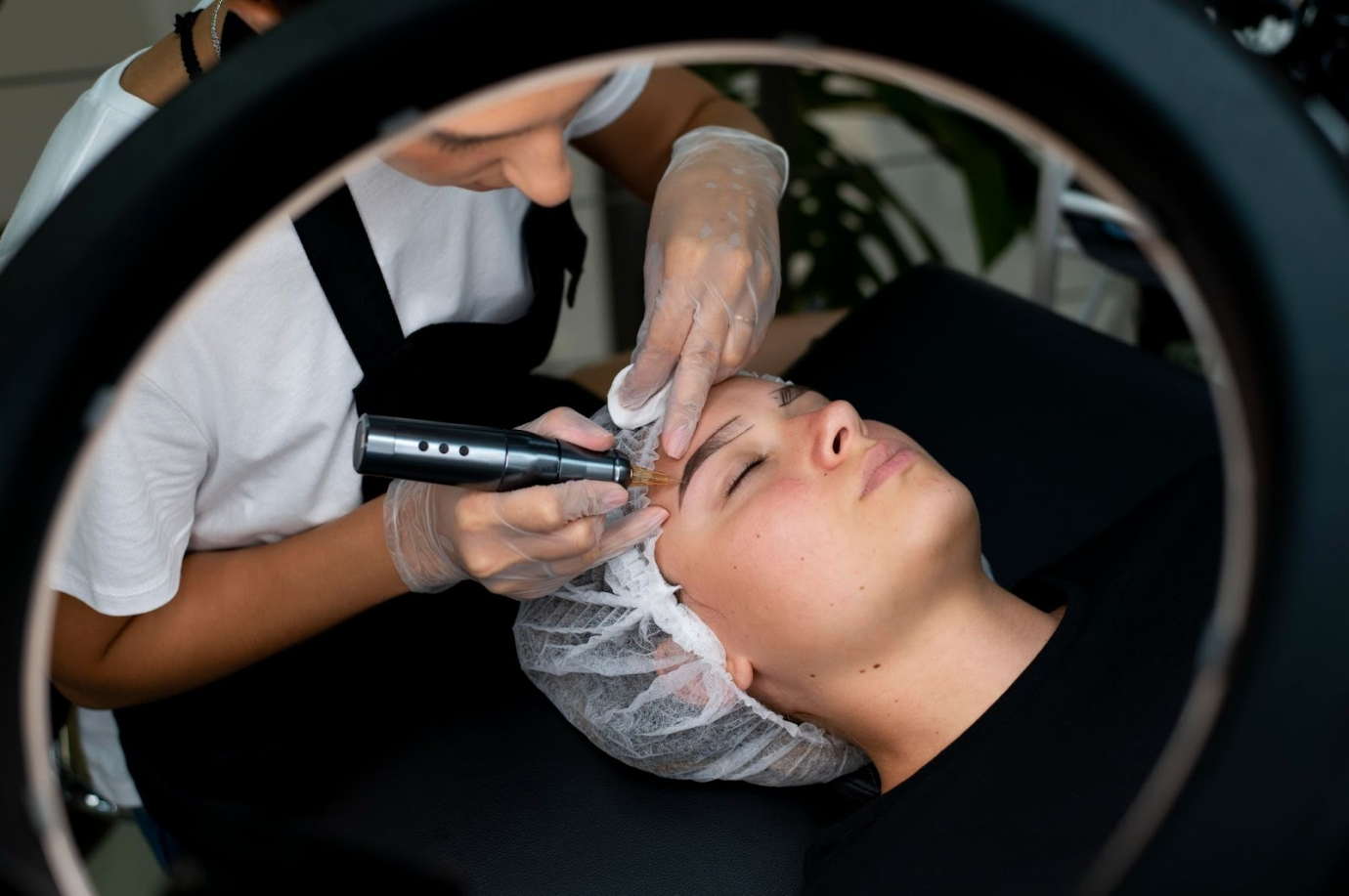
The beauty industry has changed dramatically over the past decade. What once focused primarily on surface level cosmetic enhancement has evolved into a sophisticated field that blends artistry, science, and restorative practice. Permanent makeup and micropigmentation stand at the center of this transformation.
Today, micropigmentation is no longer viewed as a simple beauty trend. It has developed into a respected aesthetic discipline that intersects with medical aesthetics, skin science, and emotional wellbeing. From hairline restoration to scar camouflage, modern micropigmentation procedures serve purposes that go far beyond convenience.
This evolution reflects a broader shift in how we understand beauty. It is no longer just about enhancement. It is about restoration, confidence, and professional mastery.
Permanent makeup initially gained popularity because of its practicality. Clients wanted long lasting solutions for eyebrows, eyeliner, and lip color. The goal was to save time and maintain a polished appearance without daily application.
At this stage, the industry focused heavily on cosmetic appeal. Procedures were often bold, and techniques were less refined than what we see today.
As demand increased, so did client expectations. People began seeking more natural results and safer procedures. This shift led to the development of structured education pathways such as professional permanent makeup training programs, which emphasized proper technique, hygiene, pigment selection, and facial balance.
The industry began moving away from casual workshops toward comprehensive training models that prioritized long term quality and safety.
Micropigmentation differs significantly from traditional tattooing. It requires precise control over pigment depth, detailed understanding of skin undertones, and an artistic eye for symmetry.
Modern practitioners study skin behavior, healing processes, and color theory to create subtle enhancements that complement natural features.
Formal education through micropigmentation certification courses has played a crucial role in distinguishing trained professionals from hobbyists. These programs provide structured learning that combines theory with supervised hands-on practice.
As techniques improved, the industry expanded into specialized services. Rather than focusing only on brows and lips, practitioners began offering restorative procedures that addressed deeper concerns.
This marked the beginning of micropigmentation’s transition into medical aesthetics.
Hair loss affects millions of individuals and can significantly impact self perception. For many, thinning hair or baldness alters how they feel in social and professional settings.
Scalp micropigmentation offers a solution by replicating the appearance of hair follicles using detailed pigment placement. The goal is to create the illusion of density or redefine the hairline in a realistic way.
Professionals who want to master this advanced skill often enroll in scalp micropigmentation training programs, where they learn hairline design principles, density mapping, and pigment matching techniques.
The psychological effects of hair restoration should not be underestimated. Clients frequently report increased confidence and renewed motivation after treatment.
When appearance aligns more closely with self image, individuals often experience improved social comfort and greater self assurance. This emotional benefit has elevated scalp micropigmentation from a cosmetic service to a transformative aesthetic solution.
One of the most significant developments in the field has been the rise of paramedical micropigmentation. This includes procedures such as areola restoration following surgery and scar camouflage for visible skin trauma.
These treatments require technical precision and emotional sensitivity. Practitioners must understand how to work with delicate skin and complex healing histories.
Advanced education through micropigmentation certification courses ensures professionals are prepared to handle these restorative applications responsibly.
Paramedical micropigmentation bridges the gap between aesthetic artistry and emotional healing. For clients recovering from surgery or injury, restoration can represent closure and renewed confidence.
This integration with medical aesthetics has strengthened the credibility of the industry and reinforced the need for comprehensive education.
As micropigmentation evolved, the importance of structured learning became clear. Modern practitioners must understand sanitation protocols, contraindications, pigment chemistry, and client consultation strategies.
Programs such as professional permanent makeup training programs provide a strong foundation that supports both safety and artistic excellence.
Technical skill cannot be mastered through theory alone. Supervised hands-on training allows students to build confidence gradually while refining their techniques.
Specialized instruction through scalp micropigmentation training programs equips practitioners with the knowledge required to produce natural looking hairline restorations.
This commitment to education elevates the industry and protects clients.
Modern machines offer enhanced depth control and reduced skin trauma. High quality pigments provide more predictable fading patterns and better color retention.
These advancements enable practitioners to create subtle and realistic outcomes that blend seamlessly with natural features.
Even experienced artists benefit from ongoing education. Many professionals return to advanced micropigmentation certification courses to refine their skills and stay informed about new techniques.
Continuous learning supports professional growth and ensures that clients receive the highest standard of care.
Micropigmentation has become an appealing career path for individuals seeking a blend of creativity and technical mastery. The field offers opportunities to make a meaningful difference in clients’ lives while building an independent profession.
Structured pathways such as professional permanent makeup training programs provide aspiring practitioners with the tools needed to enter the industry confidently.
With proper training through scalp micropigmentation training programs, professionals can establish private studios, collaborate with clinics, or expand existing aesthetic practices.
As awareness grows, demand for skilled micropigmentation specialists continues to rise.
Ethical practice requires clear communication, realistic expectations, and individualized assessment. Practitioners must prioritize client safety above all else.
Comprehensive learning through micropigmentation certification courses reinforces ethical standards and promotes long term credibility.
Trust is built not only on results but also on professionalism and integrity.
The boundary between beauty services and medical aesthetics will continue to evolve. As technology improves and education expands, micropigmentation will likely become even more refined and widely accepted.
Ongoing participation in professional permanent makeup training programs and specialized certification courses will remain essential for practitioners who want to stay competitive and deliver exceptional outcomes.
The future of the industry lies in responsible growth, advanced skill development, and dedication to client wellbeing.
Permanent makeup and micropigmentation have progressed far beyond their origins as convenience driven beauty services. Today they represent a sophisticated discipline that combines artistry, science, and restorative purpose.
Through structured education, technological innovation, and ethical practice, the industry has earned its place within medical aesthetics. For both clients and professionals, micropigmentation offers an opportunity for transformation that extends beyond appearance.
As the field continues to grow, its success will depend on continued commitment to education, precision, and integrity.