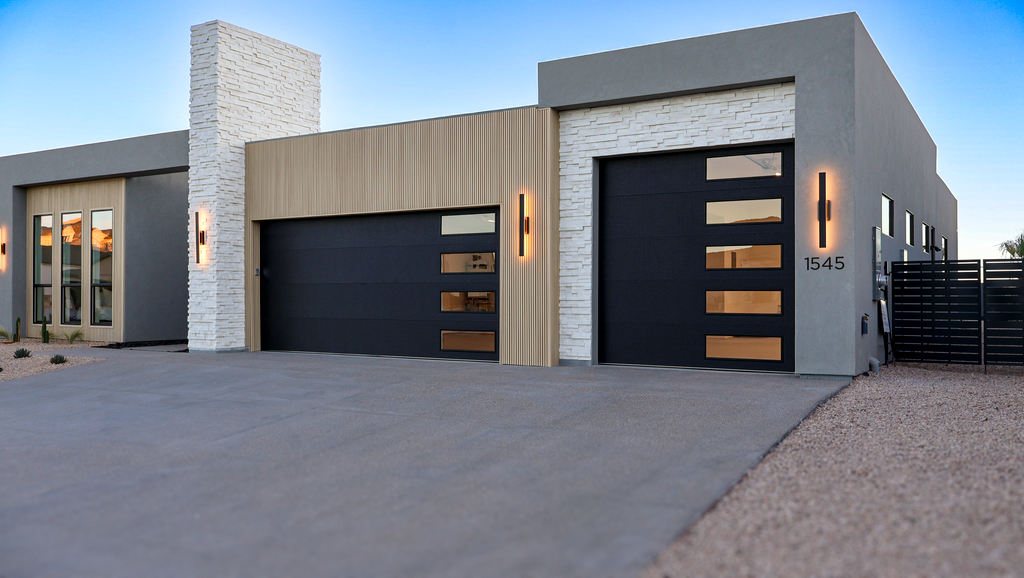
Living near the coast offers stunning views, fresh ocean air, and a relaxed lifestyle. But shore properties also face unique environmental challenges that inland homes simply don’t experience. From salt-heavy air to high winds and seasonal storms, coastal conditions can take a serious toll on your home’s exterior — especially your garage door.
For many shore homeowners, the garage door is more than just an entry point. It protects vehicles, storage, and in many cases, serves as a primary entrance to the home. Choosing the right garage door for your shore property isn’t just about style — it’s about durability, safety, and long-term value.
Below, we break down what coastal homeowners should know before installing or replacing a garage door.
Coastal homes are constantly exposed to:
Over time, these elements can weaken standard garage doors. Rusted components, warped panels, and failing springs are common problems in shore communities.
Unlike inland homes, shore properties require materials and installation methods designed to withstand harsher environments. Selecting the wrong door may lead to frequent repairs, reduced lifespan, and increased maintenance costs.
The right choice, however, can provide:
Salt air is one of the biggest threats to coastal homes. Even when you don’t see it, salt particles settle on metal surfaces and begin breaking them down.
Moisture accelerates this process. When humidity mixes with salt, corrosion spreads faster, especially if regular cleaning and maintenance are neglected.
In many shore communities, homeowners notice their garage doors aging years earlier than expected due to these conditions.
Choosing the right material makes all the difference.
Aluminum resists rust better than traditional steel, making it a strong option for oceanfront properties.
Fiberglass is durable and resistant to corrosion. It can also mimic the appearance of wood without the maintenance issues.
If choosing steel, ensure it has a high-quality protective coating to prevent rust.
Coastal climates often bring temperature swings. Insulated doors improve energy efficiency and reduce strain on garage door openers.
Wind-rated or impact-resistant garage doors are especially important for shore properties. These doors are reinforced to withstand strong gusts and storm pressure.
Selecting the right combination of material and reinforcement helps extend the life of your investment.
If you’re unsure whether your existing door can handle coastal conditions, look for these warning signs:
These issues may indicate your door isn’t designed for the shore environment. Ignoring them can lead to larger structural damage over time.
Shore homes in St. George, UT face seasonal storms and high winds. In many coastal areas, wind-load requirements are stricter than inland building codes.
Wind-rated garage doors are built with:
Proper installation is equally important. Even the best garage door can fail if it isn’t secured correctly.
Homeowners upgrading their exterior systems often consult experienced local professionals who understand coastal building requirements. Companies like Advanced Garage Door & Windows specialize in helping St. George, UT homeowners select and install wind-rated, corrosion-resistant garage door systems designed specifically for shore conditions. Working with knowledgeable installers ensures your investment is both code-compliant and built for long-term durability.
A new garage door consistently ranks among the top exterior improvements for return on investment.
For shore properties, this impact is even greater.
If you plan to sell in the future, upgrading to a durable, coastal-rated garage door can make your property more attractive to potential buyers.
Many homeowners consider DIY installation to save money. However, coastal properties require precise sealing and reinforcement.
Professional installation ensures:
Improper installation can lead to:
In coastal regions, investing in professional installation often prevents costly repairs later.
Even with the right materials, maintenance is essential.
Gently wash your garage door to remove salt buildup.
Use corrosion-resistant lubricants on springs, rollers, and hinges.
Damaged seals allow moisture inside.
Professional inspections can catch early signs of corrosion.
Minor rust spots can spread if ignored.
Preventative care significantly extends the lifespan of coastal garage doors.
Living by the ocean comes with unmatched beauty — but it also requires smarter home maintenance decisions. Your garage door plays a critical role in protecting your property from salt air, wind, and storms.
Choosing corrosion-resistant materials, ensuring proper wind ratings, and investing in professional installation can dramatically increase durability and long-term performance.
Rather than viewing your garage door as just another exterior feature, think of it as a protective barrier that shields one of your home’s largest openings. The right choice today can save thousands in repairs and replacements tomorrow.
For shore homeowners, durability isn’t optional — it’s essential.
Aluminum and fiberglass are commonly recommended because they resist rust better than traditional steel. Coated or galvanized steel can also perform well when properly maintained.
With proper maintenance and corrosion-resistant materials, a garage door can last 15–20 years. Without maintenance, coastal exposure may shorten its lifespan significantly.
In many coastal areas, wind-rated doors are required to meet local building codes. Even when not mandatory, they provide valuable storm protection.
Regular washing, applying protective coatings, lubricating moving parts, and scheduling inspections help reduce rust and corrosion.
Yes. Garage door replacement consistently ranks among the top home improvement projects for return on investment, especially in competitive coastal real estate markets.