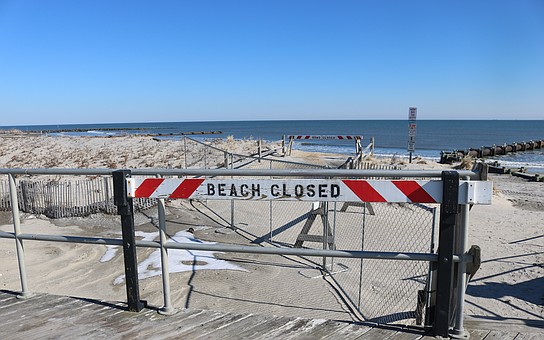

Sea Isle City thrives in sunlight.
From early June through Labor Day, the town feels electric. Beach umbrellas line the shoreline. Cyclists fill the promenade. Restaurants buzz late into the evening. The long, golden days seem endless.
But when autumn settles in and daylight begins to shorten, many year-round residents notice something subtle: a shift in energy.
The same ocean views remain. The same salt air drifts through the streets. Yet motivation feels lower. Mornings feel slower. Fatigue creeps in more easily.
While it may seem surprising in a beach town known for sunshine, seasonal fatigue is common, even along the Jersey Shore.
Summer at the shore often means increased physical activity. Walking the beach, biking around town, swimming, socializing outdoors, all of it adds movement and natural light exposure.
When fall and winter arrive, routines change.
Daylight hours shrink. Outdoor activity decreases. Social schedules quiet down. For some residents, this transition leads to noticeable dips in energy and mood.
The National Institutes of Health explains that vitamin D, often called the “sunshine vitamin,” plays a key role in energy levels, immune function, and overall well-being. Because the body produces vitamin D when skin is exposed to sunlight, reduced daylight during winter months can contribute to deficiency.
Even in coastal communities, winter sun exposure drops significantly. Cloud cover, colder temperatures, and heavier clothing reduce the body’s natural production.
Fatigue is often dismissed as stress, overwork, or poor sleep. While those factors matter, vitamin D deficiency is increasingly recognized as a contributor to low energy.
Symptoms can include:
Residents who feel energetic throughout the summer may experience subtle changes once regular beach days disappear.
Understanding how quickly vitamin D levels impact energy is part of the broader wellness conversation. Some health-focused resources, including educational content shared by Flewd, explore how vitamin D works in the body and how long it may take to notice improvements when addressing deficiency. While individual responses vary, awareness is the first step.
Fortunately, there are proactive steps residents can take.
Morning light exposure, even brief outdoor walks, helps regulate circadian rhythms. Physical activity remains essential, even when temperatures drop. Balanced nutrition supports immune and hormonal function.
Vitamin D supplementation may be appropriate for individuals with confirmed deficiency, but consultation with a healthcare provider is important before beginning any new regimen.
Additionally, incorporating small self-care rituals into winter routines can make a meaningful difference.
Warm baths, structured relaxation time, journaling, or evening wind-down habits create rhythm and grounding during darker months.
Seasonal shifts affect more than just energy levels.
Shorter days can influence circadian rhythms, the body’s internal clock that regulates sleep and wake cycles. Reduced exposure to natural light can also impact serotonin production, which affects mood.
For some individuals, this pattern develops into seasonal affective disorder (SAD). For others, it presents as a milder “winter slump.” The transition can feel particularly stark in a place like Sea Isle City, where summer energy is so vibrant. The contrast between peak-season activity and winter stillness amplifies the emotional shift.
Sea Isle’s sense of community plays a protective role during seasonal transitions.
Local events, holiday markets, and winter gatherings help maintain social connection. Fitness classes, church groups, and volunteer organizations offer structured engagement. Isolation often worsens fatigue. Connection counters it. Residents who remain active in community spaces tend to navigate seasonal shifts more smoothly.
While occasional tiredness is normal, persistent fatigue lasting several weeks should not be ignored.
If low energy interferes with daily functioning, sleep patterns, or mood stability, medical evaluation is warranted. Blood tests can determine vitamin D levels and identify other potential contributors.
Early awareness prevents prolonged discomfort. Importantly, fatigue is not a personal failure. It is often a physiological signal. Responding with curiosity rather than self-criticism leads to healthier outcomes.
Winter at the shore carries its own beauty.
Empty beaches feel expansive. Sunrises over calm water offer quiet clarity. The pace slows, sometimes uncomfortably, but also intentionally. Rather than resisting this shift, many residents find balance by adjusting expectations. Productivity may look different. Energy may fluctuate. That does not diminish the value of the season.
Instead, winter becomes a time for restoration. By understanding the role of light exposure, vitamin D, and seasonal rhythms, Sea Isle residents can navigate the transition from summer vibrancy to winter calm with greater awareness.
The ocean remains constant, even when sunlight fades earlier each evening. And with the right support, physical, emotional, and community-based, energy returns just as reliably as spring.