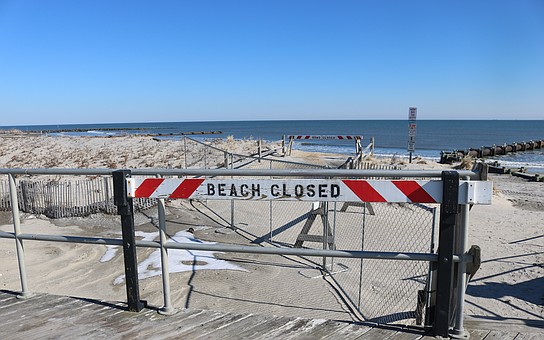
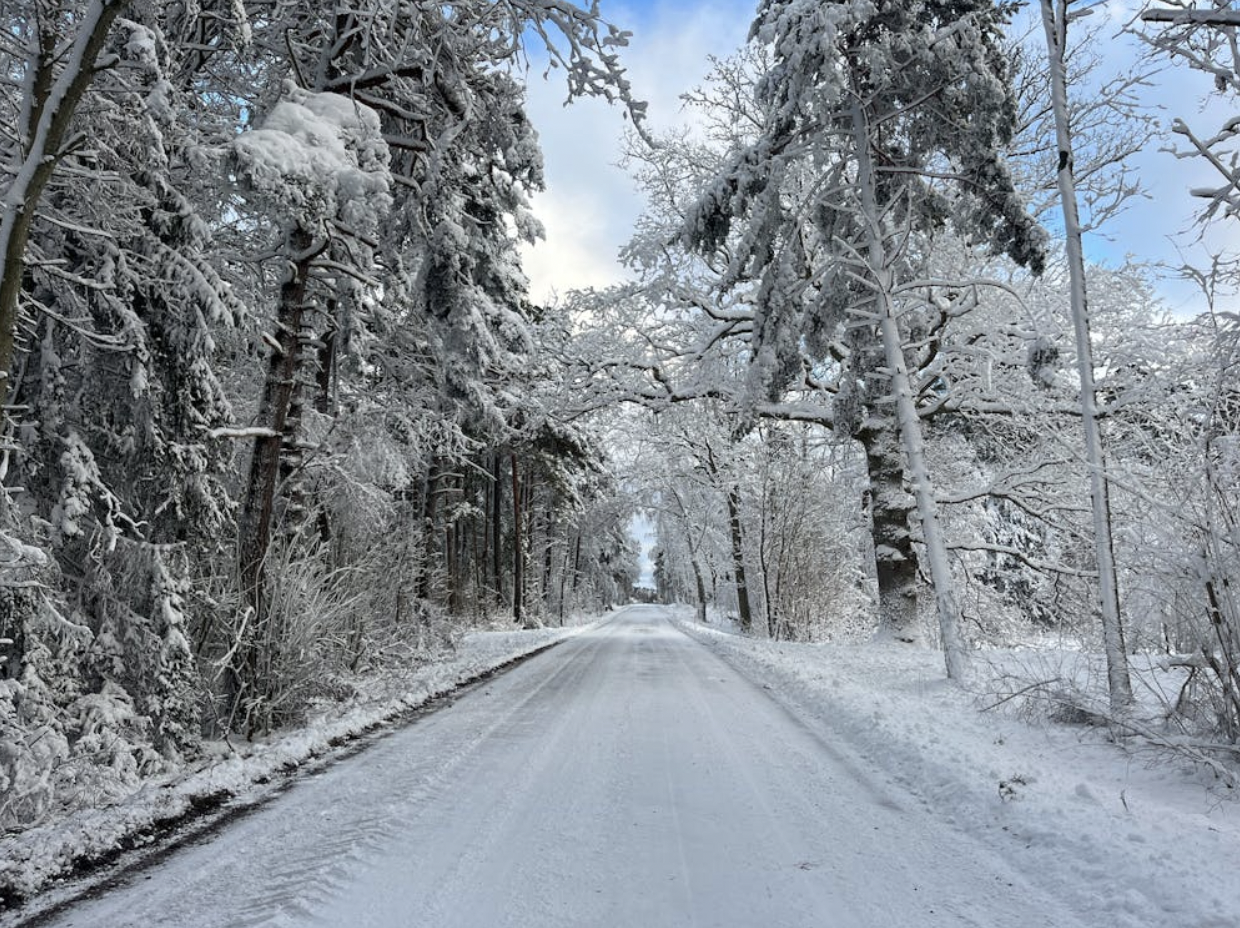
While it’s not too uncommon for the month of January to have winter storms, there are some years that are known for being a lot worse, meaning a full-on ice storm, snow that goes up a few more inches than average, temperatures that are in the minus, that you’d question if this is Siberia or not. Sometimes it’s just a few statements, sometimes it’s hitting a whole region and more, like this current January 2026 winter storm.
Even though these storms are fairly common at this point, it doesn’t make them easy, as sometimes it just feels like they’re getting worse. Some states even get them, like Texas, and it’s hard to prepare, especially when winters are the furthest thing from how it might be up north in the US, for example. Besides, it's not like these storms show up conveniently either.
Granted, you usually get a few days in advance as a heads-up that there might be one, and a day or so before, there are the warnings that it’s actually happening. And of course, that means milk, bread, and eggs are everyone's mission to get, and then the grocery store shelves are all cleared out by that point. But everyone needs to have sme sort of safety net, because these sorts of storms are an emergency, but how can you better prepare for ones in the future?
When winter weather gets serious, the priority isn’t “being cozy,” it’s staying safe and functional. It’s just the basics you need, like heat, water, food, light, and communication, which are the big categories; everything else is extra. First, keep the house from losing heat faster than it can hold it. This is generic advice here, but drafty doors and windows don’t feel like a big deal until the power goes out and the indoor temperature starts dropping. Annually, you’re supposed to do weather stripping. It helps to put thick curtains over doors (and places like Amazon do sell those), there’s basic window insulation kits, there’s door sweeps, there’s all sorts of options out there.
Plus, pipes are another thing people forget until it’s too late. If the forecast is calling for really cold weather, keep interior doors open where pipes run, especially under sinks. It’s not even just during winter storms, but overall, just really cold temperatures in the negatives do cause pipes to freeze and burst, especially in modular homes. It helps to have your faucet drip, and it needs to ideally be lukewarm water, not hot (which will freeze), and not cold either.
There’s already the basics every home needs; you already need to have lots of blankets, be it duvets, comforters, throw blankets, you name it. When it comes to your home, well, you shouldnt’be a minimalist in this aspect because you never know when an emergency could happen. It even helps to have sleeping bags and space blankets, and a lot of people swear up and down on that. If you have a wood-burning stove or a fireplace, well, as long as you have enough wood, coal, and even fire starters (this includes matches or lighters), then you’ll be fine.
But some people only use gas, or only use propane, or electricity (which is the most common). And these are fine, encouraged even, but it helps to have another heat source because an outage might happen. It’s not just about warmth, but it’s about the things too, like cooking food for example (granted you don't need to cook during an outage). But speaking of outages…
There’s been proof over the years that bad weather will cause outages, and even extreme temperatures alone have that effect as well. It’s terrifying, it really is. Overall, even just high demand stresses the grid, and equipment can fail when everything’s running nonstop. So treating outages as a year-round reality is honestly just practical. It’s not great to think about, sure, by all means that’s true, but if it can happen, then it will.
So, it’s best to start with lighting. This is basic, so it’s just getting and looking into battery lanterns, headlamps, and extra batteries beats using phone flashlights all night. Candles are fine if used safely, but they’re also a fire risk. Just make sure you’re prepared here. It helps to have a few power bricks already charged up in advance for outages, so you can use your phone (not for entertainment but for emergencies). And even a car charger is useful too, but obviously only if it’s safe to run the car, and only in a well-ventilated area, not inside a garage (due to the potential of getting carbon monoxide poisoning).
Food safety matters during outages as well. A fridge stays cold longer if it stays closed, and a freezer can hold its temperature for quite a while, especially if it’s full. It helps to keep a cheap fridge thermometer and freezer thermometer on hand, because guessing temperatures leads to people taking risks. It’s usually why it’s encouraged to have pantry items that you can easily eat instead in case everything goes bad in your fridge.
Again, outages might happen, be it thunderstorms, tornadoes, hurricane season, heatwaves, just an overused grid (and if you live near a data center, this might become the norm), and yes, winter weather too. There needs to be some sort of backup power. Some households go with a generator, others look into battery storage; some even explore solar panels for home as part of an outage plan, which is great, and honestly recommend, but this does mean there’s more of an investment than a regular generator.
But with that part said, though, any backup setup should be researched carefully, installed properly, and used safely, because carbon monoxide and electrical hazards aren’t things to mess around with.
Which sounds generic, but it can’t be stressed enough here to just try and avoid the milk, eggs, and bread panic that everyone does the second snowflakes start coming down. Yes, easier said than done, but it does help to just have easy food on hand to eat during emergencies like this. The problem is that those items don’t necessarily keep well, and they don’t always help that much if the power’s out and cooking is limited.
Just get shelf-stable food like easy proteins, ready-to-eat meals, peanut butter, canned soups, beans, tuna, crackers, pasta, rice, oatmeal, shelf-stable milk, and snacks that keep morale up. Yeah, snacks count. A stressful storm week with no comfort food is just rude. You could look into MREs and camping meals, as they’re a little easier when it comes to cooking (in case it needs to be cooked). And just try to have one or two cases of bottled water already on hand.