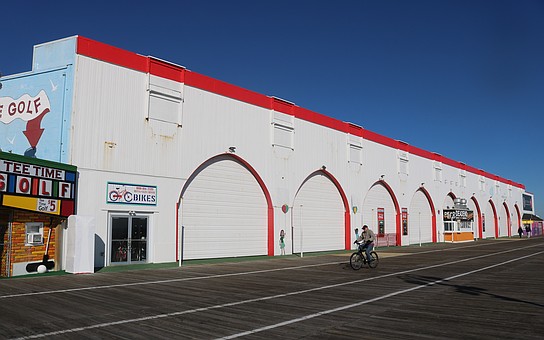
Extended stays have become more common along the Jersey Shore, especially among second‑home owners and visitors working remotely in 2026. That extra time brings a familiar question: how do people fill quiet evenings once the beach clears and restaurants slow down?
Traditionally, leisure meant boardwalk strolls or a drive to Atlantic City. Yet shifting travel habits and mobile‑first lifestyles have started to reshape how downtime is spent, creating a gap between classic shore entertainment and what visitors now expect on demand.
The core challenge is simple: modern visitors want flexibility. Shore days are weather‑dependent, evenings are unstructured, and extended stays create long stretches of unplanned time. Mobile entertainment fits neatly into those gaps without requiring travel or reservations.
This matters because leisure choices tend to follow convenience. When visitors can relax at a rental property or second home and still access familiar digital platforms, physical venues face quieter off‑peak hours. The shift isn’t about replacing traditional attractions, but about filling moments they don’t reach.
The solution emerging for visitors is informed choice. Rather than walking into a casino blind, many now research platforms the same way they research accommodations. Comparing interfaces, understanding game availability by checking this slot guide by GamblingInsider, and checking compatibility with mobile devices reduces friction.
For the shore community, this research‑first approach keeps online play discreet and secondary. It tends to happen during downtime, not instead of local dining or events, allowing visitors to balance digital habits with on‑site experiences.
New Jersey’s regulated online gambling market has grown alongside these behavioural changes. Digital platforms benefit from the same tourism flows that support restaurants and retail, but without geographic limits.
That overlap shows up clearly in revenue data. An Associated Press report noted that New Jersey’s internet gambling generated $182 million in February 2024, even as in‑person casino revenue dipped slightly. While the figures aren’t shore‑specific, they underline how visitor spending increasingly follows mobile access.
The broader implication is adaptation rather than disruption. As online play captures a slice of visitor spending, policymakers continue to weigh tax structures and oversight to ensure digital revenue complements local economies.
For residents and businesses, the takeaway is nuanced. Online casino play is becoming part of the background of extended shore stays, shaped by convenience and regulation. Understanding that context helps communities respond thoughtfully, without overstating its role in the Jersey Shore’s diverse tourism economy.