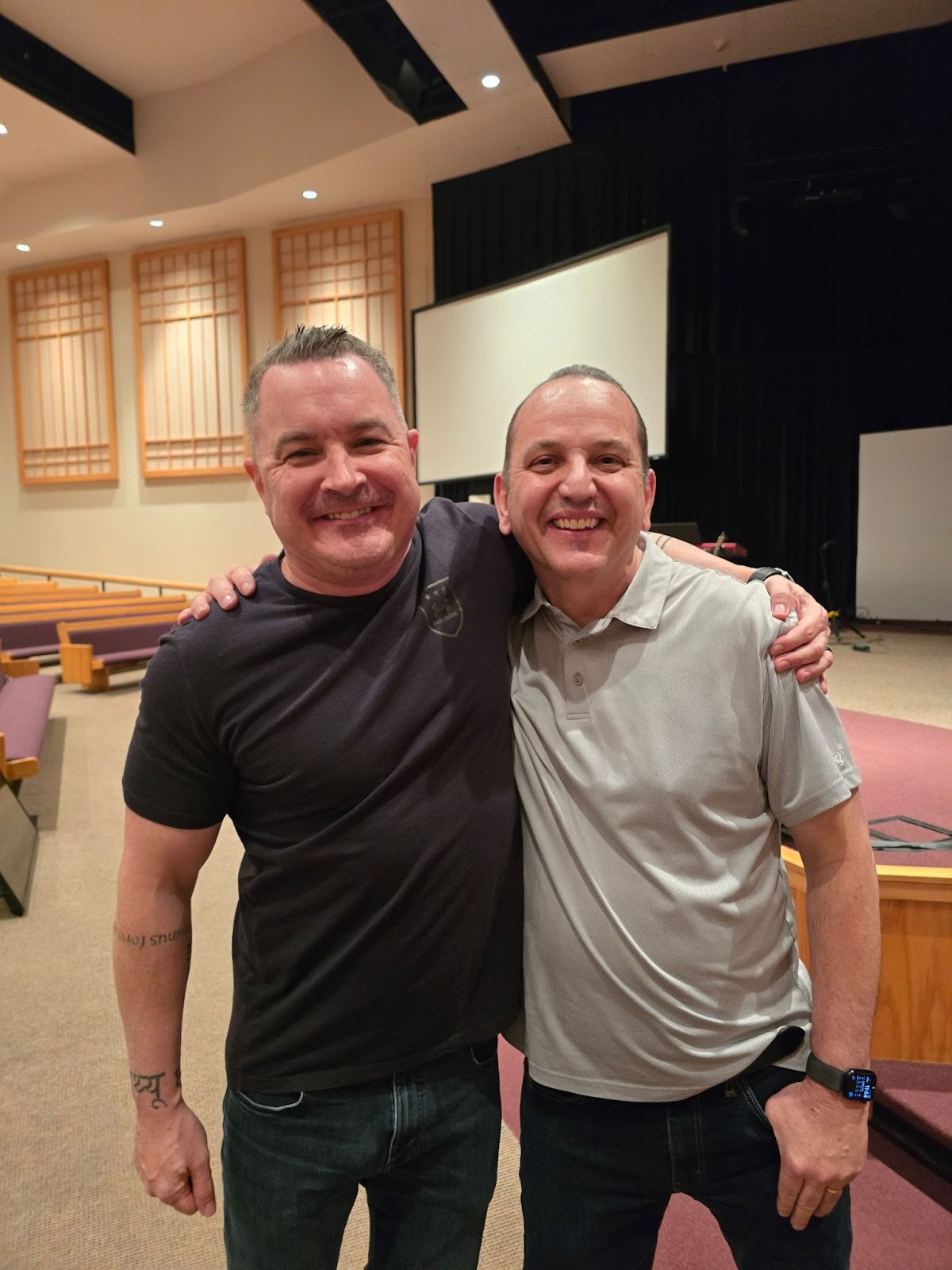
Chris Randle has built a legal career defined not only by casework and courtroom experience, but by a steady commitment to mentorship and professional responsibility. With nearly two decades in civilian and military legal service, Chris Randle occupies a position of trust within the legal community. His work reflects a belief that strong professions are sustained when experienced practitioners invest time, guidance, and attention in those who follow them.
As a senior litigation attorney and a Lieutenant Colonel in the United States Army Reserves, Chris Randle operates in environments where leadership carries real consequences. His approach to mentorship is rooted in discipline, fairness, and listening, values shaped over years of legal practice and military service. These principles guide how Chris Randle supports younger attorneys, junior officers, and legal professionals who are still forming their professional identities.
A Career Built on Responsibility and Service
Chris Randle’s professional background spans criminal law, family law, civil settlements, and military justice. In civilian practice, Chris Randle has represented individuals and small businesses across multiple jurisdictions, handling complex litigation and serious felony matters. His legal work has required close attention to detail, steady judgment, and clear communication with clients during high pressure situations.
Before entering private practice, Chris Randle served as a Senior Litigation Attorney with firms handling nationwide cases. Earlier in his career, he worked as an Assistant District Attorney in Kansas, prosecuting felony cases involving property crimes, assault, and drug offenses. These early roles placed Chris Randle in courtrooms where ethical decision making and sound judgment were essential, shaping how he later approached leadership and mentorship.
Alongside his civilian career, Chris Randle has served extensively in the Army Reserves. As a Staff Judge Advocate, he has advised commanders, supported service members, and carried responsibility for legal compliance in operational settings. His deployments and leadership roles have reinforced a practical understanding of accountability, preparation, and the human impact of legal decisions.
Why Mentorship Matters in the Legal Profession
Chris Randle views mentorship as an obligation rather than an optional activity. He has consistently emphasized that legal knowledge alone does not prepare someone for the realities of practice. Young attorneys must also learn how to listen, manage expectations, and communicate clearly with clients, colleagues, and courts.
According to Chris Randle, patience and active listening are essential skills that cannot be taught solely through textbooks or formal training. These abilities develop through observation and guided experience. By taking time to explain reasoning, walk through case strategy, or discuss professional conduct, mentors help newer attorneys avoid preventable mistakes and build confidence.
Chris Randle also recognizes that mentorship plays a role in maintaining the integrity of the legal system. When experienced attorneys share standards and expectations, they help preserve professionalism across generations. This approach strengthens public trust and supports better outcomes for clients and communities.
Leadership Through Listening and Example
A defining feature of Chris Randle’s mentorship style is his focus on listening. He has stated that leaders must be good listeners, especially when guiding others. In practice, this means creating space for questions, encouraging thoughtful discussion, and allowing less experienced professionals to articulate their concerns.
Rather than imposing rigid answers, Chris Randle often emphasizes reflection. When addressing criticism or feedback, he encourages self assessment and careful consideration of what led to a particular outcome. This method teaches accountability without discouragement and helps younger professionals develop resilience.
Chris Randle also leads by example. His own career reflects consistency in ethical conduct, responsiveness, and preparation. By returning calls, responding to emails, and maintaining clear communication, he demonstrates behaviors that mentees can observe and adopt. These habits form the foundation of trust between attorneys and clients, and between colleagues within a firm or unit.
Mentorship Within the Military Legal Community
In military service, mentorship takes on added significance. Chris Randle has held leadership roles where junior judge advocates rely on guidance in high pressure environments. As a Staff Judge Advocate and former operational law officer, he has worked closely with officers navigating complex legal and ethical issues.
Chris Randle’s military mentorship emphasizes clarity, responsibility, and measured decision making. In operational settings, legal advice often carries immediate consequences. Teaching junior officers how to analyze issues carefully and communicate effectively with commanders is essential to mission success and service member welfare.
Through these roles, Chris Randle contributes to a culture where legal professionals understand both their authority and their responsibility. His mentorship supports the development of officers who can operate independently while remaining grounded in established standards.
Supporting Professional Growth Beyond Casework
Chris Randle’s contributions extend beyond individual mentoring relationships. He remains active in professional associations and legal communities, where informal guidance often occurs through discussion, collaboration, and shared experience. By participating in bar associations and continuing education, he stays engaged with evolving standards and expectations.
He also encourages younger attorneys to remain active in their professions by attending seminars and staying informed about changes in law and practice. According to Chris Randle, maintaining professional relevance requires ongoing learning and engagement. This advice reflects a broader view of mentorship that includes modeling lifelong development.
Chris Randle is careful to balance openness with discretion. He advises thoughtful communication and reflection before sharing information, especially in an era where online presence can affect professional reputation. This guidance helps newer professionals navigate public and private boundaries responsibly.
Building Trust as a Teaching Tool
Trust is central to Chris Randle’s philosophy of mentorship. He believes trust is built through honesty, consistency, and responsiveness. By demonstrating these traits in his own practice, he teaches others how to establish credibility with clients and colleagues.
Chris Randle often stresses that returning communications promptly is not optional. It signals respect and reliability. For mentees, observing this behavior reinforces the importance of professional courtesy and accountability. These lessons may seem simple, but they have lasting impact on career development.
He also emphasizes fairness and transparency when handling feedback or concerns. Addressing issues directly and thoughtfully sets a standard for how legal professionals should interact with clients, peers, and supervising attorneys.
Empowering the Next Generation Through Example
Chris Randle does not frame mentorship as a one way transfer of knowledge. Instead, he sees it as a shared process that benefits both mentor and mentee. Engaging with younger professionals keeps experienced attorneys connected to new perspectives while reinforcing core principles.
By sharing experiences from both civilian and military practice, Chris Randle offers context that helps others understand the broader role of law in society. His career demonstrates that legal professionals can serve in multiple capacities while maintaining consistent ethical standards.
Chris Randle’s approach avoids exaggeration and focuses on practical guidance. He does not position himself as exceptional, but as responsible. This grounded perspective makes his mentorship accessible and credible to those seeking guidance.
A Lasting Commitment to Professional Development
Chris Randle’s work as a mentor reflects a long term commitment to the legal profession. His career illustrates how leadership extends beyond titles and cases. By investing time in others, he contributes to a legal community that values preparation, reflection, and integrity.
Through patient guidance and consistent example, Chris Randle helps shape professionals who are better equipped to serve clients and uphold standards. His influence reaches beyond individual cases into the culture of the profession itself.
As the legal field continues to change, the steady principles demonstrated by Chris Randle remain relevant. Mentorship rooted in listening, responsibility, and trust ensures that the next generation of legal professionals is prepared not only to practice law, but to carry forward its obligations with care and discipline.