
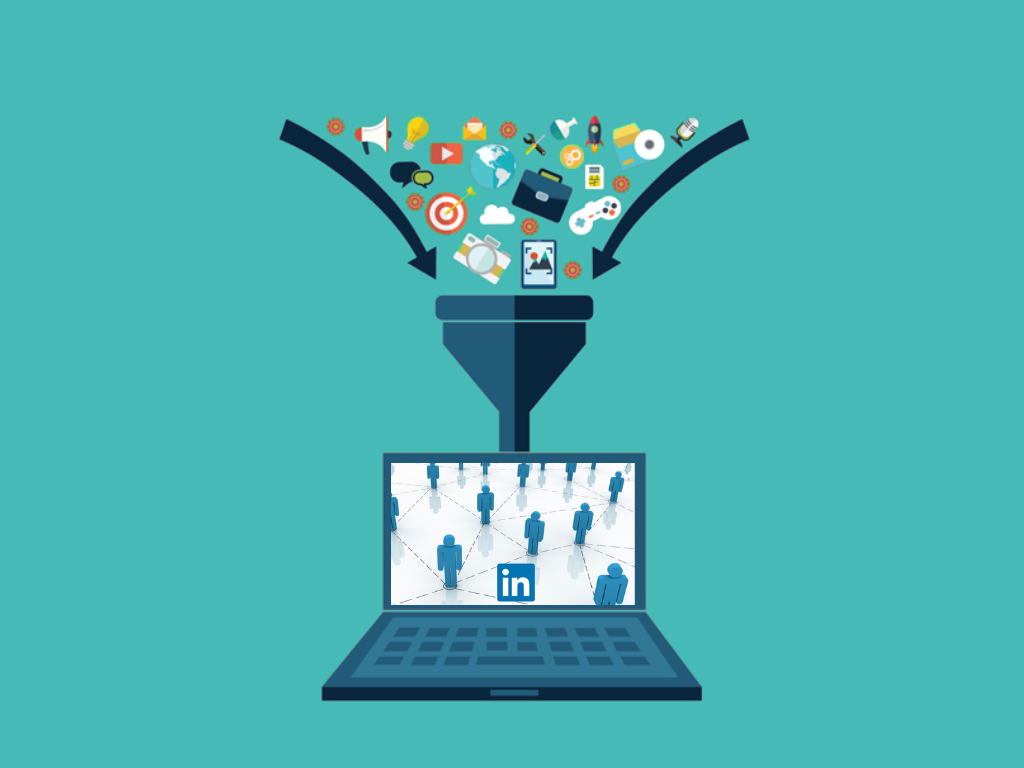
In today’s competitive digital landscape, data-driven market research is no longer optional it is essential. Businesses that rely on assumptions often fall behind, while those that leverage real-world data gain clarity, accuracy, and speed. One of the most powerful yet underutilized tools for B2B intelligence is the LinkedIn Scraper.
LinkedIn hosts millions of professionals, companies, decision-makers, and industry leaders. When this vast data ecosystem is analyzed correctly, it becomes a goldmine for market research, competitor analysis, lead generation, and trend forecasting. This article explores how a LinkedIn Scraper enables smarter market research and how businesses can use it ethically and effectively.
Understanding a LinkedIn Scraper
A LinkedIn Scraper is a data extraction tool designed to collect publicly available information from LinkedIn profiles, company pages, job listings, and posts. Instead of manually browsing thousands of profiles, scrapers automate the process and transform raw LinkedIn data into structured datasets.
This approach allows businesses to analyze large volumes of professional data quickly and accurately. When used for research, not spam, it delivers actionable insights that guide strategic decisions.
What a LinkedIn Scraper Can Collect
A LinkedIn Scraper can extract multiple data points, including:
When aggregated, this information provides a clear picture of market behavior and professional trends.
Why LinkedIn Data Is Valuable for Market Research
LinkedIn is unique compared to other platforms because its data is intent-based and professionally curated. Users update profiles for career growth, making the data more accurate than many other sources.
A LinkedIn Scraper allows researchers to move beyond surface-level observations and access real market signals.
Key Benefits of LinkedIn-Based Market Research
This makes LinkedIn data ideal for B2B research, SaaS validation, recruitment intelligence, and competitive benchmarking.
Data-Driven Market Research Using a LinkedIn Scraper
Market research becomes significantly more powerful when decisions are backed by real data rather than intuition. A LinkedIn Scraper enables this transformation.
Identifying Target Markets and Customer Profiles
By scraping profiles within specific industries, locations, or roles, businesses can build accurate Ideal Customer Profiles (ICPs). This helps in understanding who the real buyers are, not who you assume them to be.
With scraped data, companies can analyze:
This data-driven clarity improves targeting and messaging accuracy.
Competitor Analysis with a LinkedIn Scraper
Competitor research is one of the strongest use cases for a LinkedIn Scraper. Instead of guessing what competitors are doing, you can analyze their workforce, hiring patterns, and strategic direction.
What Competitor Data Reveals
A LinkedIn Scraper can uncover insights such as:
For example, a surge in hiring for data engineers may indicate a competitor’s shift toward automation or analytics-driven products.
Market Trend Analysis and Forecasting
Market trends often appear first in job postings and skill requirements. A LinkedIn Scraper allows businesses to track these changes at scale.
How Trends Are Identified
Using scraped data, analysts can observe:
These insights help businesses align product development, training programs, and service offerings with future market needs.
Lead Generation Insights Through Market Research
While lead generation is often mentioned, the research angle is what makes a LinkedIn Scraper powerful. Instead of collecting random leads, businesses can analyze data patterns to understand why leads convert.
Research-Based Lead Intelligence
Market research with a LinkedIn Scraper can identify:
This data allows sales teams to focus on high-intent segments, improving conversion rates without aggressive outreach.
Using a LinkedIn Scraper for Geographic Market Research
LinkedIn data is extremely valuable for location-based market analysis. Businesses expanding into new regions can evaluate professional density, industry maturity, and talent availability.
Geographic Insights Include
This supports smarter decisions for expansion, outsourcing, or localization strategies.
Ethical and Responsible Use of LinkedIn Scrapers
Using a LinkedIn Scraper responsibly is critical. Ethical scraping focuses on publicly available data and avoids misuse.
Best Practices for Ethical Data Use
When used ethically, a LinkedIn Scraper is a legitimate market research tool that supports business intelligence without harming users.
Challenges and Limitations of LinkedIn Scraping
While powerful, LinkedIn Scrapers are not without challenges.
Common Limitations
Understanding these limitations ensures realistic expectations and better research outcomes.
Future of Market Research with LinkedIn Scrapers
As AI and automation evolve, LinkedIn Scraper tools are becoming smarter. Future market research will rely heavily on real-time professional data.
We can expect:
Businesses that adopt data-driven research early will maintain a strong competitive advantage.
Frequently Asked Questions (FAQ)
What is a LinkedIn Scraper?
A LinkedIn Scraper is a tool that extracts publicly available professional and company data from LinkedIn for analysis, research, and business intelligence purposes.
Is using a LinkedIn Scraper legal?
Legality depends on how the tool is used. Ethical use involves collecting public data, complying with local laws, and avoiding misuse such as spam or privacy violations.
How does a LinkedIn Scraper help in market research?
A LinkedIn Scraper provides real-world data on industries, job roles, skills, and company behavior, enabling data-driven insights rather than assumptions.
Can small businesses benefit from LinkedIn Scraper insights?
Yes. Small businesses can use LinkedIn Scraper data to identify profitable niches, understand competitors, and refine targeting strategies with minimal cost.
What industries benefit most from LinkedIn Scraper research?
B2B services, SaaS, recruitment, consulting, IT, and marketing industries benefit the most due to LinkedIn’s professional user base.
Final Thoughts
A LinkedIn Scraper is far more than a data extraction tool; it is a gateway to intelligent, data-driven market research. By analyzing real professional behavior, businesses can understand markets, predict trends, and make confident decisions.
When used ethically and strategically, LinkedIn Scraper insights empower organizations to move faster, target smarter, and compete stronger in an increasingly data-driven world.