
If you're a Canadian business owner with dreams of cracking the US market, you've likely stumbled upon the term "EIN" more than once. Maybe you're trying to open a business bank account stateside, set up payroll for American freelancers, or just get your e-commerce store fully operational with US payment gateways. Whatever the case, an Employer Identification Number (EIN) for companies is often the missing puzzle piece.
I recall working with a buddy in Toronto who runs an online fitness gear shop. He was killing it in Canada but couldn't scale south because his US bank application kept bouncing back—no EIN. After sorting it out with SALAccounting company, his revenue jumped 40% in six months. Stories like that are common. In this in-depth guide, we'll cover everything from the basics to advanced tips, helping you avoid the headaches so many Canadians face.
At its core, an EIN is a nine-digit federal tax ID issued by the Internal Revenue Service (IRS). Think of it as America's equivalent to Canada's Business Number (BN) or GST/HST account. It's free, permanent (unless you close the business), and required for almost any formal US business activity.
For Canadian companies, it's not optional if you're:
Here's the good news: You don't need to be a US resident, have an SSN, or even an ITIN to apply. Foreign entities qualify, which is why thousands of Canadian firms get one every year. Just ask for free consultation from an expert US-Canada cross border accountant.
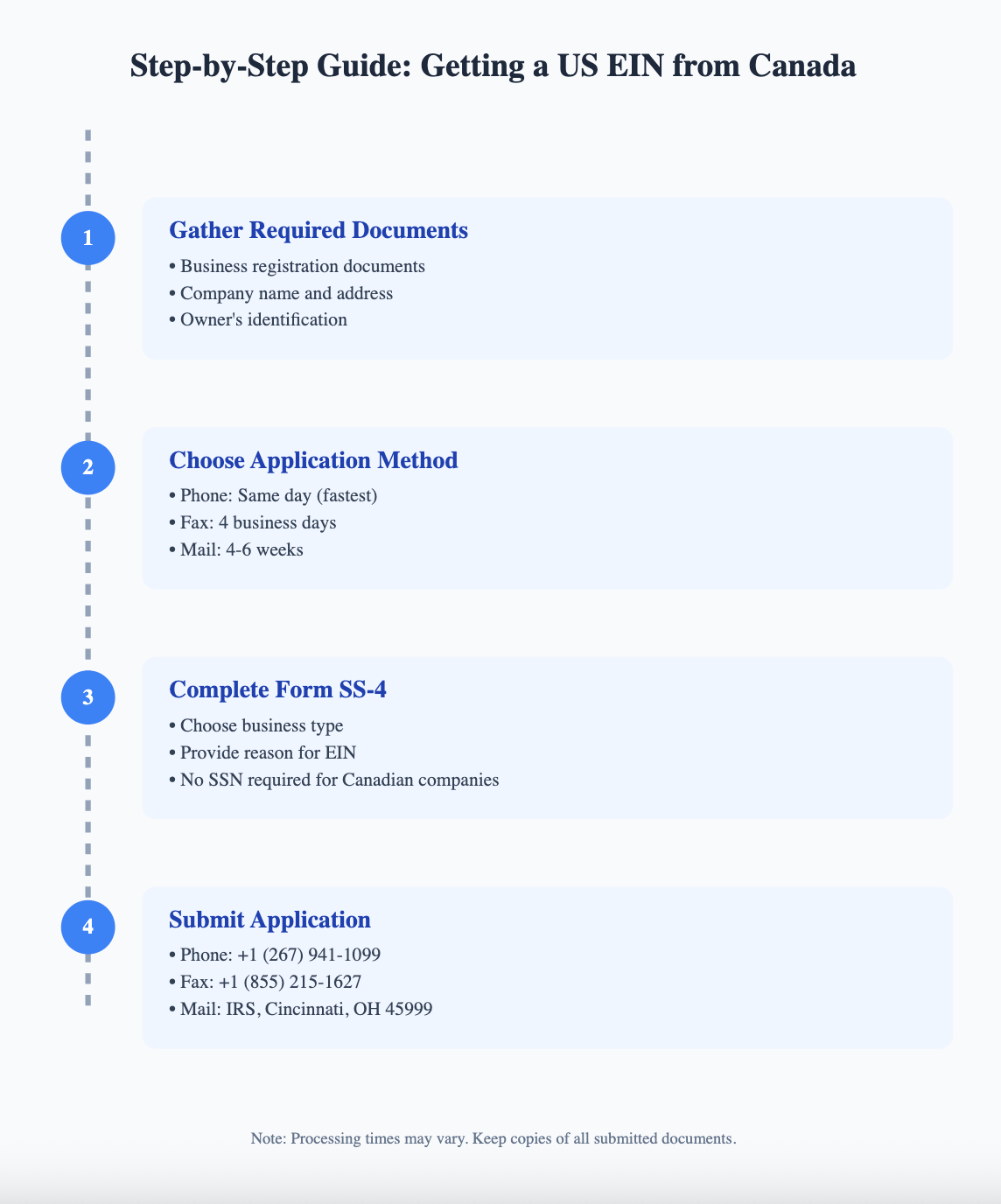
Non-US residents can't use the IRS's online EIN tool (that's SSN/ITIN holders only). Instead, rely on good old Form SS-4. It's a one-page form, but get it right the first time. Here's the full walkthrough:
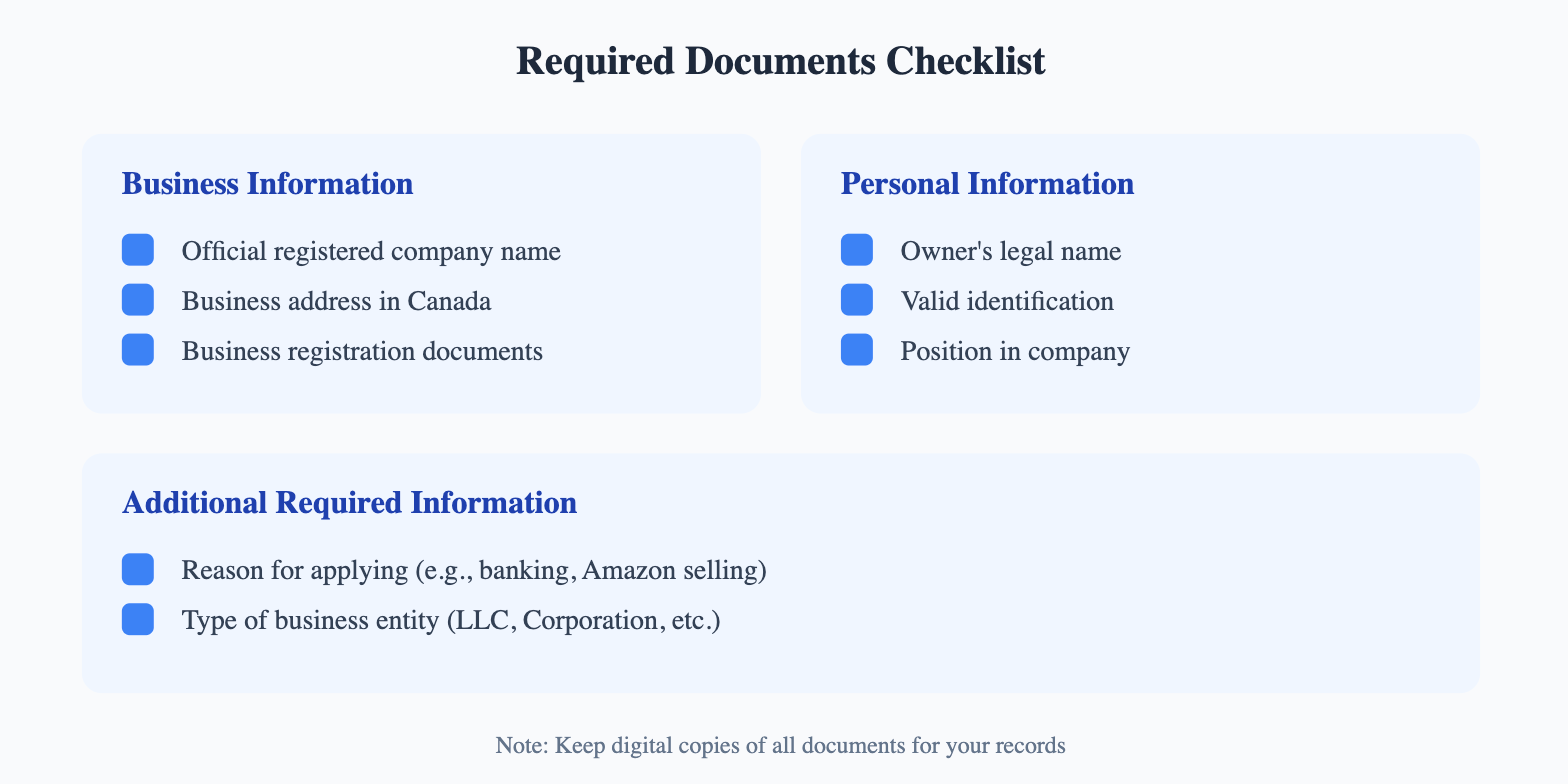
You'll need your Canadian business name, mailing address (use your actual Canadian one), formation date, and business type (e.g., sole proprietorship, partnership, corporation). Specify the "responsible party"—that's you or a principal officer. Include your name, Canadian address, and phone.
Head to the IRS site, grab the PDF, and fill it out. Key lines:
Expect your EIN via fax reply or letter. Once in hand, laminate a copy—it's your golden ticket.
From experience, here's where folks trip up:
One client forgot to note "foreign entity" and got bounced back. Fixed it, resubmitted, done in a week.
Getting the EIN is step one; taxes are the marathon. Canadians expanding to the US face a web of rules under the Canada-US Tax Treaty, but missteps cost big.
Key issues:
This screams for expertise in Canada US cross border tax. A seasoned cross border accountant can map your structure—maybe a US LLC owned by your Canadian corp for optimal flow-through.
In Toronto? Look for a cross border tax accountant toronto who knows local nuances alongside IRS/CRA rules. A cross-border tax advisor isn't a luxury; it's insurance against audits.
Many Canadians form a US LLC post-EIN for limited liability and banking ease. Why? Simpler than a C-Corp, pass-through taxes, and privacy (no public owner names in Delaware).
Quick setup:
Taxes on LLC? Single-member = disregarded entity (report on your Canadian return). Multi? Partnership filing.
Enlist an llc tax expert for seamless setup. An llc tax accountant handles EIN integration, while llc tax filling services cover annual Form 1065/5472 if needed. Costs? $1,500-3,000 total, but ROI is huge.
Getting an EIN opens doors to the US market. This nine-digit number lets you open US bank accounts, hire employees, process payments, and handle your taxes right. While the process has its steps, it's totally doable with good planning.
Need help with your US expansion? Contact SAL Accounting. They have guided hundreds of Canadian businesses through their EIN and tax journey.
📧 Website: salaccounting.ca
📧 Email: [email protected]
📍 Location: 330 Bay St. Unit 1401, Toronto, ON M5J 0B6 | 55 Village Centre Pl, Suit 734, Mississauga, ON L4Z 1V9, Canada