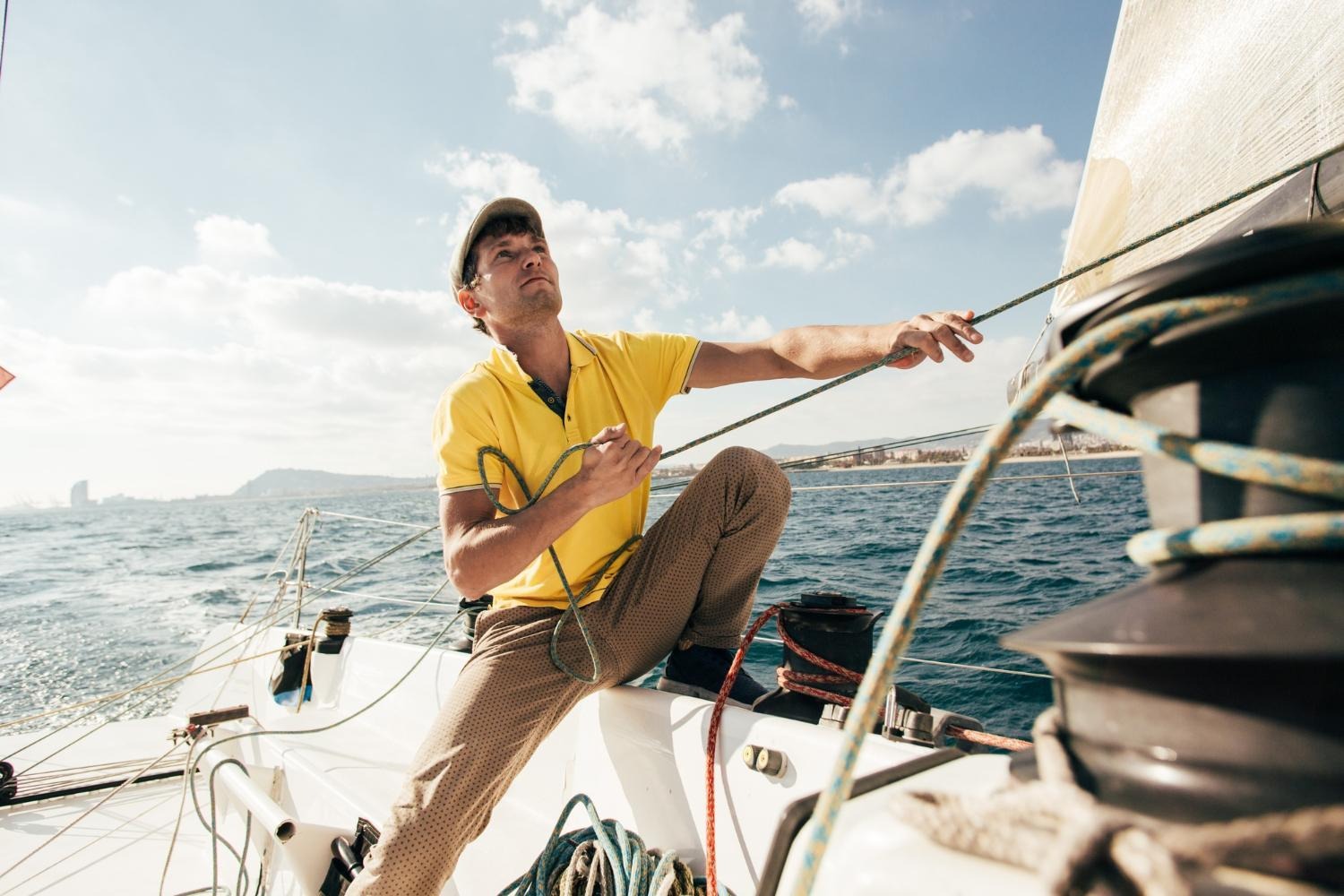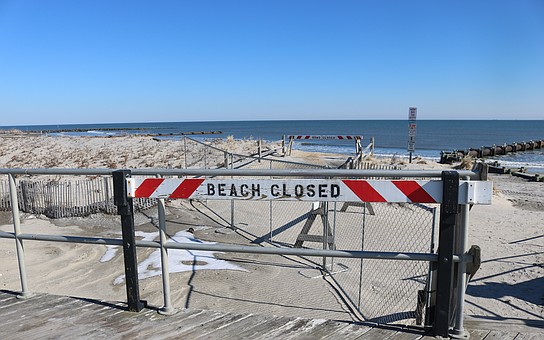
Boating has long been part of life along the Jersey Shore. From early morning fishing runs to sunset cruises through the back bays, vessels here are more than recreational assets, they are part of the community’s identity.
But coastal boating presents unique challenges. Saltwater exposure, fluctuating tides, and seasonal use patterns demand a higher level of attention than inland waterways. Owners who approach their vessels with both technological awareness and disciplined maintenance routines tend to enjoy longer equipment lifespans and fewer mid-season surprises.
Two areas in particular define modern boat ownership: onboard electronics and exterior maintenance.
Navigation and fish-finding technology have evolved dramatically over the past decade. Today’s marine systems integrate GPS mapping, sonar imaging, depth tracking, and real-time environmental feedback. At the heart of these systems sits a critical but often overlooked component: the boat transducer.
This small but essential device converts electrical signals into sound waves and interprets the returning echoes to provide depth readings and underwater imaging. For anglers navigating shifting sandbars or tracking schools in the back bays, accuracy matters. A high-quality boat transducer ensures reliable data, whether you are scanning for structure, monitoring depth in shallow water, or running offshore.
Selecting the right transducer depends on hull type, mounting configuration, and intended use. Through-hull models, transom-mount options, and in-hull designs each serve different boating needs. Recreational fishers often prioritize clarity and target separation, while cruisers may focus more on depth consistency and navigation safety.
In coastal areas where sandbars shift and channels require attention, dependable sonar feedback is not just a convenience, it is a safeguard. Investing in compatible, well-installed transducer systems enhances both safety and overall boating confidence.
While technology enhances performance, saltwater constantly works against longevity. The same mineral-rich environment that makes shore boating appealing also accelerates corrosion and surface wear.
Salt deposits accumulate on hulls, decks, rails, and engines. Left untreated, they degrade finishes, weaken metal components, and dull gelcoat surfaces. Over time, even minor neglect compounds into expensive repairs.
Rinsing with freshwater after each outing is a widely recommended practice, but standard hoses do not always remove embedded grime or salt crust effectively. Deep cleaning requires the right equipment and pressure consistency.
This is where commercial-grade hot water pressure systems become relevant. Professionals and marina operators who rely on industrial cleaning equipment, including suppliers like Hotsy South Texas, understand that heat significantly improves grease and salt breakdown compared to cold-water systems. While many individual boat owners use scaled-down versions, the principle remains the same: proper cleaning protects structural integrity.
Maintaining a clean hull not only preserves appearance but also improves fuel efficiency. Marine growth and surface buildup increase drag, forcing engines to work harder and consume more fuel. Regular cleaning reduces resistance and supports smoother performance.
In communities like Sea Isle City, boating activity often peaks in summer and slows significantly in colder months. That pattern creates its own maintenance rhythm.
Boats that sit idle for extended periods face risks including battery degradation, moisture buildup, and fuel system complications. Electronics, too, can suffer if not properly winterized and inspected before spring relaunch.
Preventive maintenance is less about reacting to failure and more about avoiding it. Routine inspections of wiring connections, transducer mounts, and hull fittings prevent minor issues from escalating. Cleaning before storage reduces corrosion during off-season months.
Owners who create a seasonal checklist, spring recommissioning, mid-season inspection, fall winterization, often experience fewer disruptions when peak boating weather arrives.
Modern boating is not a choice between technology and tradition. It is an integration of both. Advanced sonar systems provide detailed underwater visibility, but that precision is wasted if hull condition compromises efficiency or if wiring connections corrode.
Likewise, a spotless exterior means little if navigation electronics are outdated or unreliable.
The most satisfied boat owners treat their vessels as systems rather than isolated components. Electronics, mechanical performance, and exterior upkeep must align.
For anglers, that may mean ensuring sonar accuracy before tournament season. For families cruising the back bays, it may mean verifying depth reliability in tidal areas where sandbars shift unexpectedly. In both cases, preparation reduces stress and enhances enjoyment.
Boats represent significant financial investments. Beyond purchase price, there are ongoing costs: dockage, insurance, fuel, registration, and routine service. Preserving value requires more than occasional cleaning or sporadic upgrades.
Hull condition, electronic reliability, and maintenance records influence resale potential. Prospective buyers look closely at corrosion signs, wiring integrity, and equipment age. A well-documented service history can differentiate one vessel from another in competitive markets.
Saltwater boating demands diligence, but that diligence pays off in performance consistency and long-term asset protection.
At its core, boating along the Jersey Shore is about experience. Early-morning departures, the hum of an engine cutting through calm water, children learning to cast a line, these moments define summer for many residents.
Reliable electronics enhance navigation confidence. Clean surfaces reflect pride in ownership. Well-maintained systems prevent unexpected interruptions.
When preparation is thorough, attention can shift from equipment to enjoyment.
Smart boating in 2026 is defined by informed choices and consistent care. Selecting the right sonar components, including properly matched transducer systems, ensures clear underwater visibility. Maintaining hull and engine surfaces with appropriate cleaning equipment protects against the relentless effects of saltwater.
Together, these practices create a vessel that performs reliably and ages gracefully.
In coastal communities where boating is woven into everyday life, that reliability is more than technical, it is personal. A well-prepared boat is not simply a machine. It is a gateway to the water, the horizon, and the traditions that make shore living unique.