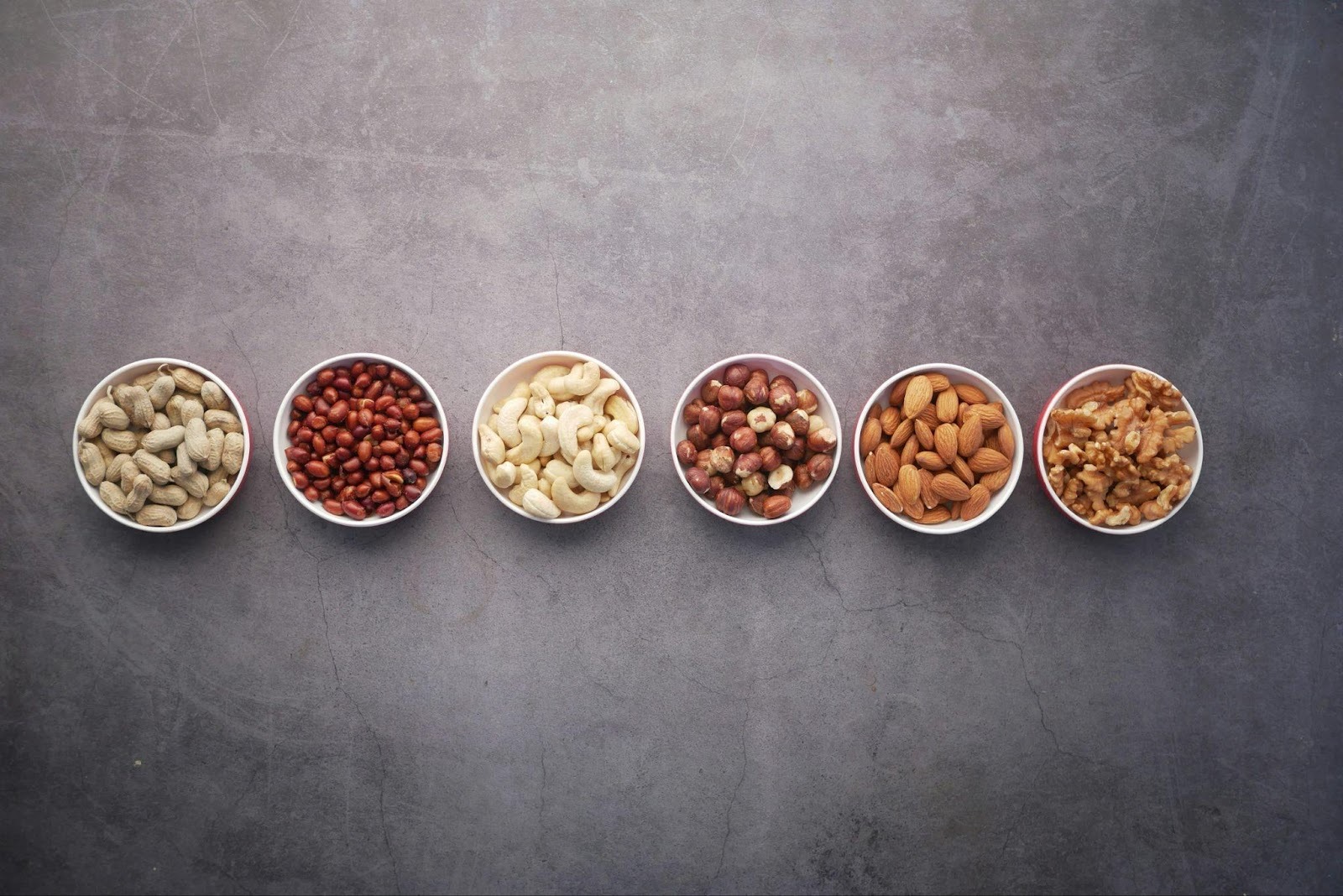
In an era of increasingly complex culinary trends, simple recipes built around natural ingredients continue to hold enduring appeal. Whether shared in regional publications such as Seaislenews.com or passed between neighbors, dishes rooted in whole foods often resonate because they emphasize clarity of flavor over ornamentation. Cooking in this style places ingredients at the forefront, allowing their natural characteristics to define the final result.
Whole nuts, seasonal produce, unrefined sugars, and quality dairy products frequently serve as the foundation for these recipes. Rather than relying on elaborate techniques or extensive ingredient lists, simple preparations focus on balance, texture, and freshness. This approach often aligns with both traditional home cooking and contemporary interest in minimally processed foods.
At its core, simplicity in cooking does not imply lack of skill. Instead, it reflects careful selection and restraint. A handful of high-quality ingredients, properly prepared, can produce depth of flavor without complexity. Olive oil, sea salt, fresh herbs, and whole nuts, for example, can transform basic vegetables into a cohesive dish.
This method encourages awareness of seasonality. Fresh produce harvested at peak ripeness requires less manipulation to taste complete. Likewise, whole nuts deliver natural sweetness and texture that eliminate the need for excessive additives.
When recipes rely on fewer elements, each component must contribute meaningfully. A toasted nut adds crunch; a squeeze of citrus introduces brightness; a sprinkle of salt sharpens overall flavor. The result is a dish that feels balanced and intentional.
Among natural ingredients that lend themselves to simple recipes, pecans stand out for their versatility. Their buttery richness pairs equally well with sweet and savory preparations. In salads, they provide texture against tender greens. In baked goods, they add structure and warmth without overwhelming other flavors.
Because pecans possess inherent sweetness, they often require minimal enhancement. Light toasting amplifies their aroma, while a touch of sea salt emphasizes contrast. Whether incorporated into breakfast granola or folded into rustic breads, they demonstrate how a single ingredient can anchor an entire dish.
Producers and retailers specializing in pecans often emphasize freshness and careful harvesting practices that preserve flavor integrity. Using nuts in their most natural form allows cooks to shape recipes around authentic taste rather than processed substitutes.
Simple desserts frequently showcase natural ingredients without excessive embellishment. A classic pecan shortbread requires little more than flour, butter, sugar, and chopped nuts. The resulting cookie highlights the nut’s flavor while maintaining delicate texture.
Another example is a straightforward fruit and nut tart. A basic pastry crust filled with seasonal fruit and topped with toasted pecans achieves both visual appeal and flavor balance. Rather than complex glazes or layered fillings, the dessert relies on natural sweetness and contrasting textures.
Even traditional candies can be simplified. Combining egg whites, sugar, and pecans into airy confections demonstrates how limited ingredients can create distinctive results. The emphasis remains on ingredient quality and careful preparation.
Natural ingredients shine equally in savory contexts. Toasted pecans can be folded into grain salads with roasted vegetables, adding richness without heaviness. Crushed nuts blended with herbs create simple crusts for baked fish or poultry.
In soups, a garnish of chopped pecans introduces textural contrast to smooth purées. Paired with seasonal produce such as squash or root vegetables, their warmth complements earthier flavors.
These preparations illustrate how simple additions enhance both taste and mouthfeel. Rather than layering multiple sauces or seasonings, cooks rely on the natural profile of whole ingredients.
Interest in simple recipes often intersects with attention to nutrition. Whole nuts contain healthy fats, fiber, and essential minerals. According to the Harvard T.H. Chan School of Public Health, moderate nut consumption can contribute to heart health as part of a balanced diet.
Using unprocessed ingredients supports transparency in cooking. When dishes are built from recognizable components, nutritional content becomes easier to understand. Whole foods allow cooks to moderate salt, sugar, and added fats according to preference rather than relying on pre-seasoned alternatives.
This clarity aligns with contemporary movements toward clean-label cooking, where ingredient lists remain short and comprehensible.
One of the strengths of simple recipes lies in adaptability. A base preparation can shift with the seasons. In spring, pecans may accompany strawberries and fresh greens. In autumn, they complement apples and warm spices. Winter dishes might incorporate roasted root vegetables and citrus, while summer recipes pair nuts with grilled produce and light vinaigrettes.
Because the structure of these recipes remains uncomplicated, substitutions are straightforward. This flexibility encourages creativity without sacrificing balance.
Seasonal adaptability also supports local sourcing. Fresh, locally harvested ingredients require less processing and often arrive at peak flavor. By centering dishes on natural components, cooks reinforce connection to agricultural cycles and regional traditions.
Simple recipes need not appear plain. Presentation can remain elegant without complexity. A neatly arranged salad with toasted pecans, a rustic loaf studded with nuts, or a bowl of granola layered with fruit communicates care and refinement.
Neutral serving dishes, natural textures such as wood or ceramic, and minimal garnish emphasize authenticity. The visual aesthetic mirrors the philosophy behind the recipe: focus on substance rather than embellishment.
The continued popularity of straightforward cooking reflects a broader appreciation for ingredient-driven cuisine. When recipes highlight natural flavors, they often resonate across generations. They are accessible, adaptable, and rooted in recognizable components.
Pecans and other whole foods exemplify this enduring appeal. Their versatility allows them to anchor both everyday meals and celebratory dishes without requiring elaborate preparation. In kitchens where simplicity guides decision-making, natural ingredients remain the foundation of flavor and texture.
Simple recipes that highlight natural ingredients ultimately reaffirm that quality often resides in restraint. With careful selection and thoughtful preparation, even a short ingredient list can produce dishes that feel complete, balanced, and satisfying.