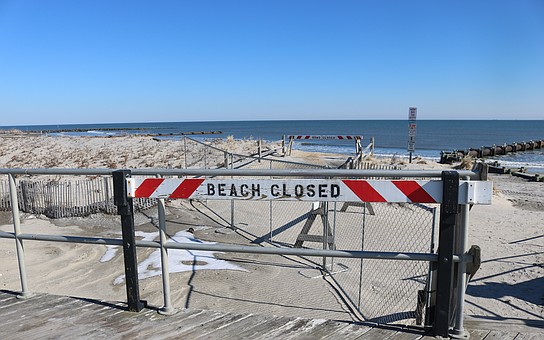
Training for running near the coast presents a unique blend of environmental factors that influence both performance and comfort. Shoreline paths may range from sandy promenades and boardwalks to paved riverfront trails and undulating park routes. Salt air, variable winds, and occasional humidity shifts all interact with the biomechanics of running in subtle ways. Selecting gear that responds thoughtfully to these conditions helps runners focus on training rather than distraction.
Footwear and apparel form the foundational layer of any running setup, but accessories specifically designed for the task refine that foundation. Running socks, hydration systems, and apparel choices tailored to environmental conditions all contribute to how efficiently the body moves. Understanding the role of each element supports more enjoyable and consistent training sessions.
Terrain near coastal regions can present a mix of surfaces. Paved paths offer predictable tread and responsive cushioning, while sandy or gravel sections introduce instability that challenges proprioception and ankle support. Shoes with adaptable tread patterns and balanced cushioning help runners transition between these surfaces with greater confidence.
Footwear selection also affects moisture management and thermal regulation. Shoes with breathable mesh panels allow airflow that supports evaporation of sweat, reducing internal moisture buildup that can lead to irritation. Balancing grip and flexibility enables runners to navigate both hard surfaces and occasional soft patches without sacrificing gait efficiency or comfort.
Running involves repeated motion and dynamic muscle engagement. Apparel that accommodates this activity must balance compression, breathability, and freedom of movement. Lightweight fabrics that wick moisture away from skin help regulate temperature in fluctuating coastal climates. While sun protection is important for daytime runs, reflective elements enhance visibility during early morning and evening sessions.
Supportive tops and bottoms with minimal seams reduce friction against the skin. Runners engaging in longer distances often find that this attention to garment design lowers the risk of chafing and distraction over time. These elements contribute to a sense of continuity in the running experience, enabling athletes to sustain focus on pacing and performance.
Footwear accessories play a direct role in the runner’s day-to-day experience. Socks designed for athletic running incorporate features that address the unique biomechanics and moisture dynamics of sustained foot impact. Material blends that manage sweat and reduce friction help minimize irritation, hotspots, and the development of blisters over greater distances.
Guides such as Women’s Athletic Running Socks explore how technical sock design can enhance comfort and support. Elements such as arch support bands, targeted cushioning zones, and moisture-wicking fibers work together to create an interface between foot and shoe that supports consistent motion. While these features may seem subtle in isolation, their cumulative effect becomes more apparent during longer or repeated training sessions.
Coastal training routes expose runners to variable humidity and airflow. Salt-laden breezes can accelerate evaporation from the skin, leading some runners to underestimate fluid loss. Maintaining an adequate hydration strategy, whether through handheld bottles, waist-mounted reservoirs, or spontaneous stops, supports cardiovascular efficiency and perceived exertion.
Even shorter runs benefit from attention to hydration before, during, and after training. Electrolyte balance influences muscle function and recovery, particularly when temperatures climb or wind intensifies evaporative cooling. Runners attuned to these physiological signals often adjust pacing and fluid intake to sustain performance over time.
Temperature shifts near the coast can occur rapidly as sun angles change or cloud cover moves in. Cool mornings may transition to warm afternoons during longer runs. Light winds may feel refreshing initially but can increase resistance as training intensifies. Runners often adapt by planning timing and route direction — taking advantage of tailwinds on longer stretches and recognizing when headwinds require energy conservation.
Structured warm-ups and cooldown periods help the body transition through these environmental shifts. Dynamic stretches before departure encourage muscle activation, while gradual cooldowns support recovery and reduce delayed onset muscle soreness. These practices integrate with gear choices to create a holistic training approach.
Training near water often inspires elevated expectations for pace or distance, but recovery remains pivotal. Runners who prioritize rest days, gentle mobility work, and sleep support tissue repair and immune function. Footwear and socks that facilitate dry, comfortable conditions post-run help runners unwind and prepare for subsequent sessions.
Some adults also integrate personal relaxation rituals after training sessions, which may include cognitive decompression techniques and, in legally permitted regions, products such as thc mood mints during evening wind-down routines. These approaches vary widely among individuals and should align with personal preference and health considerations.
Consistency in training arises from the interplay between gear, strategy, and environmental awareness. Shoes that accommodate variable surfaces, apparel that regulates moisture and temperature, and socks that address friction and support all contribute to a more reliable running experience. Hydration and pacing strategies adjust for coastal microclimates, while recovery practices sustain long-term engagement.
Thoughtful integration of these elements helps runners focus on the rhythm of movement rather than the distractions of discomfort. By attending to both performance mechanics and environmental context, coastal routes can become settings not only of challenge but of consistent progress and sustained enjoyment.