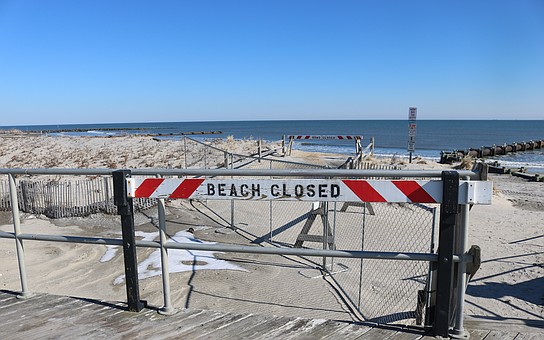
Coastal communities occupy a unique position in the global energy conversation. They are often at the front lines of climate variability, exposed to hurricanes, storm surge, high winds, and flooding. At the same time, many shoreline regions enjoy strong solar exposure and growing interest in renewable energy adoption. As grid disruptions become more frequent in certain coastal zones, energy storage has moved from a technical afterthought to a central element of infrastructure planning.
Renewable energy systems alone do not guarantee reliability. Solar panels generate electricity only when sunlight is available, and wind turbines depend on consistent wind patterns. Without storage, excess production cannot be saved for later use, and grid-tied systems typically shut down during outages. This limitation has accelerated the development of integrated storage solutions designed specifically to stabilize coastal energy systems.
Distributed rooftop solar has expanded rapidly across coastal suburbs and small towns. In hurricane-prone areas, however, the vulnerability of centralized grid infrastructure remains a concern. Downed transmission lines and damaged substations can leave entire neighborhoods without power for days.
Energy storage changes the equation. When paired with rooftop panels, battery systems allow homes to retain electricity generated during daylight hours and deploy it when needed. This configuration supports essential appliances, communication devices, refrigeration, and limited climate control even when the broader grid is offline.
Community-scale microgrids extend this principle further. Schools, municipal buildings, and emergency shelters can integrate renewable generation with battery storage to function independently during prolonged outages. In coastal regions where evacuation routes may be congested or weather conditions unpredictable, these localized systems strengthen overall resilience.
For individual households, integrated storage systems are increasingly viewed as foundational infrastructure rather than optional upgrades. Solutions categorized broadly as solar battery backup enable homeowners to capture daytime solar production and preserve it for evening consumption or emergency use.
In coastal settings, this capacity supports humidity control systems, sump pumps, refrigeration units, and ventilation equipment that protect interior finishes from moisture damage. It also reduces reliance on combustion-based generators, which may face fuel shortages or safety restrictions during severe storms.
Unlike traditional generators, battery systems operate quietly and require minimal routine maintenance. Their integration with smart electrical panels allows essential circuits to remain active while non-critical loads are automatically disconnected. This targeted prioritization extends runtime and reduces strain on stored capacity.
Coastal grids face particular challenges. Salt air accelerates corrosion of transmission hardware, while flooding can damage substations and underground conduits. High winds increase the likelihood of downed lines. In some regions, wildfire mitigation policies have also introduced precautionary shutoffs, affecting coastal communities near dry vegetation corridors.
The growing frequency of weather-related disruptions has prompted policy discussions around decentralized resilience. Rather than relying solely on centralized generation and long-distance transmission, energy planners increasingly consider distributed storage as a complementary strategy.
Guidance from the U.S. Department of Energy highlights the importance of integrating energy storage with renewable systems to improve reliability and grid flexibility.
These considerations extend beyond private residences. Hospitals, wastewater treatment facilities, and telecommunications hubs in coastal areas increasingly incorporate storage solutions to ensure operational continuity.
Many coastal towns experience significant seasonal population fluctuations. During peak tourism months, electricity demand rises sharply. In the off-season, reduced occupancy can result in extended periods of low consumption.
Energy storage moderates these swings. During high-demand periods, batteries can offset peak loads, reducing strain on local distribution networks. In quieter months, stored energy provides continuity for vacant properties that rely on climate control to prevent mold growth and structural deterioration.
This flexibility supports both economic stability and property preservation. It also aligns with broader sustainability goals by enabling more efficient use of locally generated renewable energy.
Municipalities in coastal regions increasingly explore microgrid development. These localized energy networks combine renewable generation, battery storage, and advanced control systems to operate either connected to or independent from the main grid.
Microgrids serve as resilience hubs during emergencies. Schools, community centers, and emergency shelters equipped with storage can maintain lighting, refrigeration, and communications even during extended outages. In areas vulnerable to storm surge, this capability supports coordinated response efforts.
Investment in distributed storage also intersects with long-term climate adaptation strategies. As sea levels rise and storm intensity patterns shift, decentralized infrastructure reduces the risk associated with single points of grid failure.
Renewable storage systems carry higher upfront costs than traditional generators, but operational expenses tend to be lower over time. Without fuel purchases or engine maintenance, long-term expenditures are more predictable. Advances in lithium-ion and emerging battery chemistries continue to improve energy density and lifecycle performance.
From an environmental standpoint, battery storage complements renewable generation by reducing reliance on fossil-fuel peaker plants during high-demand periods. In coastal ecosystems where air quality and environmental preservation are closely linked to tourism and fisheries, reducing localized emissions carries additional significance.
Regulatory frameworks also influence adoption. Incentive programs, tax credits, and resilience grants vary by jurisdiction. Coastal communities often receive targeted funding for climate adaptation initiatives, including distributed energy projects.
Technological innovation is reshaping the scale and accessibility of storage systems. Modular battery units allow incremental expansion as energy needs evolve. Smart monitoring platforms provide real-time insight into generation, consumption, and storage levels.
In coastal areas with strong solar resources, pairing rooftop panels with storage enhances both environmental and practical outcomes. The ability to sustain essential systems during outages redefines preparedness, moving from reactive recovery toward embedded resilience.
As electrification expands to transportation and heating, coastal communities will depend even more heavily on reliable electricity. Energy storage provides a stabilizing layer within this transition, ensuring that renewable adoption does not compromise reliability.
Renewable energy storage solutions therefore function not only as technological upgrades but as structural adaptations to a changing climate landscape. For coastal communities facing rising environmental pressures, distributed battery systems represent a pragmatic integration of sustainability and resilience within everyday infrastructure.