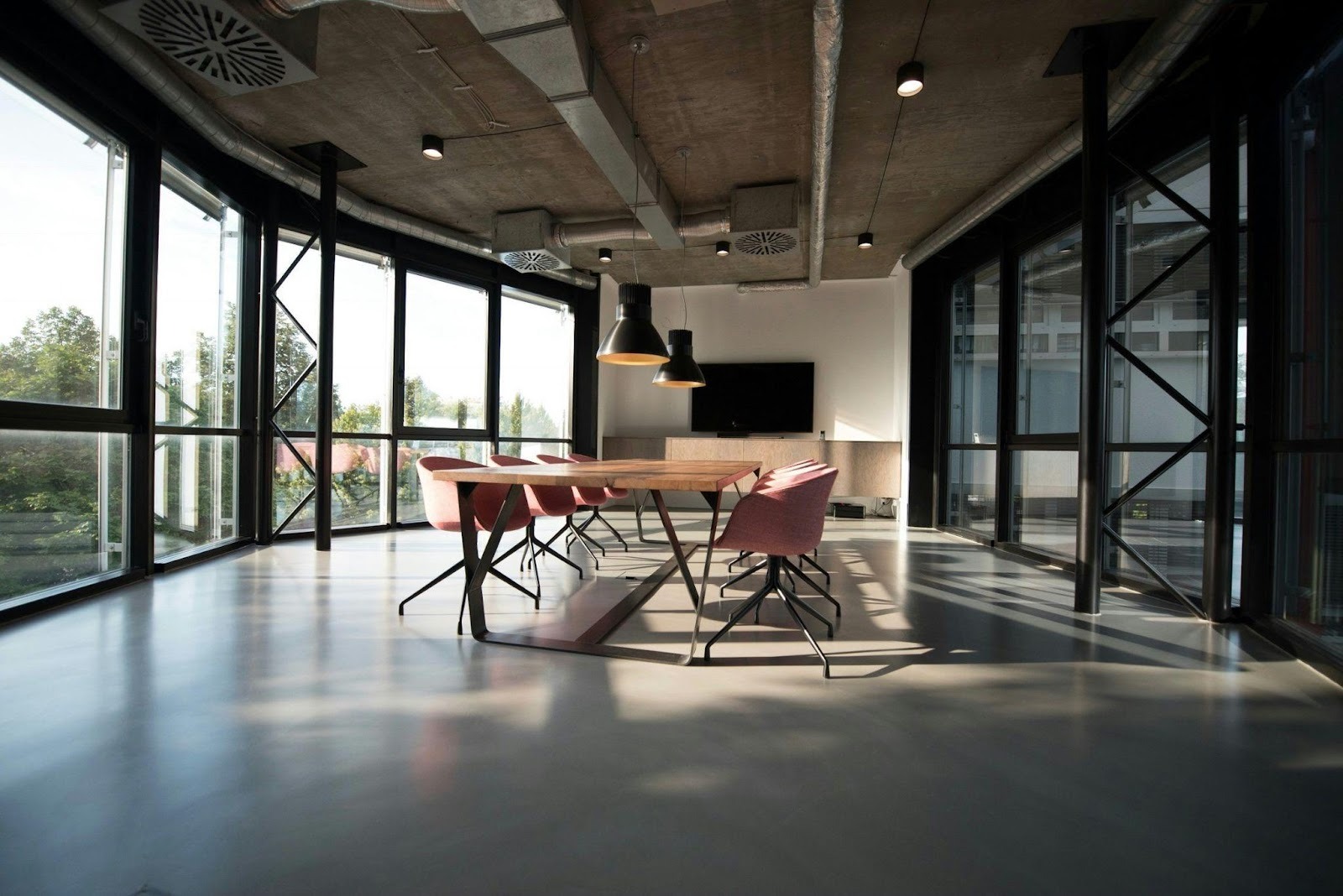
Creative workspaces often sit at the intersection of productivity and expression. Whether the setting is a design studio, a small marketing office, a classroom, or a maker-oriented business environment, these spaces tend to combine practical tools with aesthetic intention. Printers, packaging materials, craft supplies, and visual branding elements frequently coexist, creating both opportunity and complexity.
As creative environments become more multifunctional, workspace management increasingly involves not only organization but maintenance. Print-related mess, ink handling, and physical décor choices all contribute to how functional and comfortable a workspace feels over time.
Even in digitally driven industries, printing remains surprisingly central in many creative workplaces. Mood boards, mockups, invoices, shipping labels, branded inserts, and internal documentation still require physical output. The presence of printers and ink-based materials introduces a layer of operational upkeep that is often overlooked until problems arise.
Ink and toner are not only consumables but potential sources of disruption. Leaks, smudges, and accidental stains can affect furniture, clothing, and work surfaces, especially in busy environments where multiple people share equipment.
This makes print maintenance a practical aspect of workspace design rather than a peripheral concern.
Ink stains are one of the more mundane but persistent issues in environments where printing, labeling, or packaging happens regularly. They can occur through cartridge mishandling, pen use, accidental spills, or contact with freshly printed materials.
Knowing how to respond quickly matters, particularly in shared spaces where stains can spread or become permanent. Discussions around issues such as https://www.selltoner.com/blog/how-to-remove-ink-stains/ reflect how common these problems are in everyday office and creative operations, where cleanliness and equipment care overlap.
Stain management is not glamorous, but it is part of sustaining a professional and functional environment.
Creative workspaces often thrive on flexibility, but that flexibility can lead to disorder if maintenance routines are inconsistent. Printers require regular attention, surfaces need protection, and supplies must be stored properly to avoid unnecessary mess.
Establishing small maintenance habits, such as cleaning print areas, handling ink carefully, and monitoring supply condition, reduces disruptions and preserves the longevity of shared tools.
In this sense, workspace maintenance is not about strict control, but about preventing avoidable friction that interrupts creative flow.
Alongside maintenance, décor plays a significant role in shaping creative environments. Visual elements influence mood, reinforce brand identity, and contribute to how a space is experienced by both staff and visitors.
Décor choices in professional settings are increasingly functional rather than purely decorative. Wall graphics, signage, and branded design elements can help define zones, communicate values, and create a cohesive atmosphere.
This is where customized print décor becomes part of workspace strategy rather than an afterthought.
Wall decals have become a popular way for businesses to shape interior identity without permanent renovation. They offer flexibility, scalability, and visual clarity, especially in spaces that need branding without heavy structural change.
Products such as custom wall decals for business reflect this approach, where décor functions as both design and communication. Decals can reinforce brand presence in reception areas, guide navigation in shared offices, or create aesthetic consistency in creative studios.
Because they are removable and adaptable, they suit environments that evolve frequently.
Creative workspaces often involve materials that are inherently messy: ink, paint, packaging adhesives, craft tools. The challenge is not to eliminate mess entirely, but to manage it in a way that preserves both productivity and comfort.
Print maintenance practices and décor solutions are part of this balance. Clean surfaces support workflow, while intentional design supports inspiration and identity. Together, they shape spaces that feel both operationally functional and creatively engaging.
Modern creative environments are rarely static. Teams grow, projects change, branding evolves, and spatial needs shift. Managing such spaces requires attention to both practical upkeep and aesthetic flexibility.
Ink stain management may seem minor, but it reflects the everyday realities of print-based work. Wall decals may seem decorative, but they influence perception and cohesion. Both belong to the broader ecosystem of workspace management.
In the end, creative workspaces succeed when they support both the hands-on realities of production and the visual culture that motivates creative work in the first place.