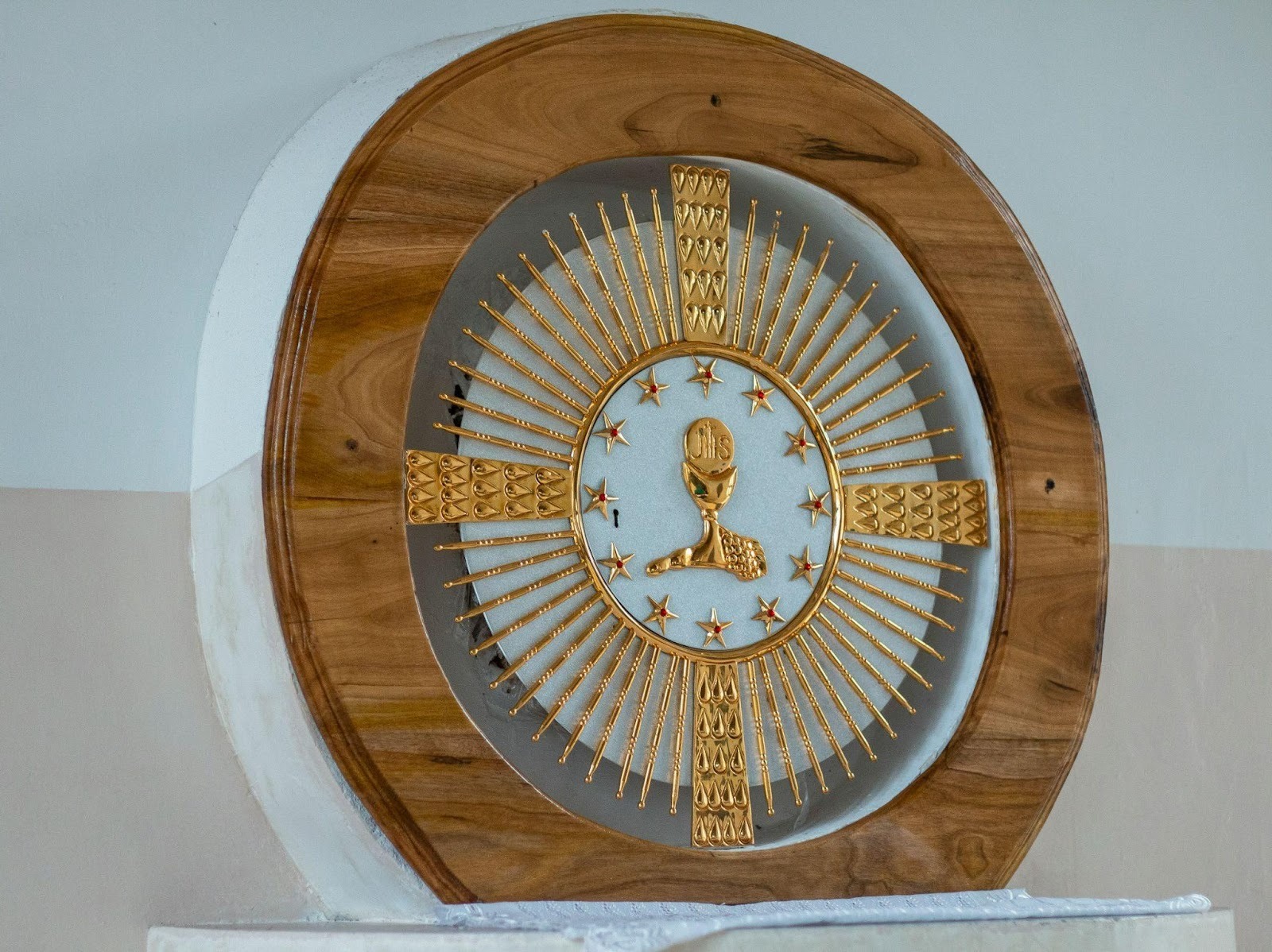
Interior design trends often mirror broader cultural values. In recent years, faith-inspired accents have gained renewed visibility within homes that prioritize warmth, intention, and personal meaning. Rather than functioning solely as decorative statements, these elements frequently serve as quiet affirmations woven into daily environments.
Unlike overtly themed rooms, contemporary faith-centered décor typically integrates subtle references into cohesive design schemes. Homeowners increasingly seek pieces that balance aesthetic harmony with spiritual resonance, allowing belief to coexist naturally within modern interiors.
Minimalist design remains influential, emphasizing clean lines, neutral palettes, and uncluttered spaces. Within this framework, homeowners are selecting fewer but more intentional decorative elements. Faith-inspired accents often align with this approach when executed through refined typography, muted color schemes, and understated materials.
Instead of elaborate iconography, many interiors now feature single statements or symbolic phrases placed strategically to create focal points. This restrained use allows spiritual messaging to feel integrated rather than dominant.
Design organizations such as the American Society of Interior Designers emphasize proportion, balance, and visual cohesion as essential components of well-composed interiors. Applying these principles to faith-inspired accents helps maintain harmony between message and space.
Text has become one of the most popular formats for faith-oriented décor. Verses, affirmations, and short passages displayed through framed prints or canvas panels provide opportunities for daily reflection without overwhelming the room.
Collections such as scripture wall art illustrate how typography and layout can transform written passages into visually balanced design pieces. Neutral backgrounds, elegant fonts, and thoughtful spacing ensure that the message remains central while complementing surrounding furnishings.
The appeal of text-based décor lies in its adaptability. It fits easily within entryways, bedrooms, living areas, or quiet reading corners, serving as both decorative accent and reflective prompt.
Faith-inspired accents increasingly appear in shared areas rather than exclusively private rooms. Living rooms, kitchens, and hallways may feature subtle references that align with family values while remaining accessible to guests.
Placement influences impact. A single framed verse above a console table or mantel can anchor a room visually while preserving open wall space. Smaller pieces layered among family photographs create continuity without drawing disproportionate attention.
Materials such as wood, linen canvas, and matte metal frames often blend naturally into contemporary homes. These finishes provide texture and warmth, reinforcing comfort-focused design trends.
As consumers gravitate toward intentional purchasing, craftsmanship has become an important consideration. Well-constructed frames, quality printing, and durable finishes contribute to longevity. Faith-inspired décor intended for daily environments benefits from materials that withstand light exposure and routine cleaning.
Natural materials continue to dominate. Wood tones, brushed metals, and soft neutral fabrics integrate seamlessly into coastal, farmhouse, or transitional design styles. This versatility supports widespread adoption across diverse interior aesthetics.
Sustainability considerations also influence purchasing decisions. Pieces produced with responsibly sourced materials or minimal packaging reflect broader lifestyle values that often accompany faith-based purchasing motivations.
While some décor reflects specific religious holidays, many faith-inspired accents are chosen for year-round display. Verses centered on themes such as gratitude, patience, or hope maintain relevance beyond particular seasons.
Homeowners often rotate smaller pieces while maintaining one or two foundational items. This approach refreshes visual interest without disrupting continuity.
Layering remains subtle. Pairing a framed verse with a small plant, ceramic vase, or textured throw ensures balance between text and surrounding décor elements.
Faith-inspired interior accents often carry emotional weight beyond their visual presence. For some, a specific verse may commemorate a life event, family tradition, or period of personal growth. In these cases, décor becomes a marker of experience as well as belief.
Personalized framing, custom color palettes, or size variations allow homeowners to adapt pieces to specific rooms. This flexibility contributes to their increasing popularity, as individuals seek décor that reflects both style and story.
The renewed interest in faith-inspired accents also reflects broader cultural openness to personal expression within the home. As remote work and time spent indoors increase, living spaces become more reflective of identity.
Faith-inspired design does not necessarily signal traditional aesthetics. Many contemporary pieces employ modern typography and minimalist presentation, demonstrating that spiritual messaging can coexist with current design sensibilities.
Through restrained execution, thoughtful placement, and quality craftsmanship, faith-inspired interior accents continue gaining popularity. They allow homeowners to merge aesthetic cohesion with personal meaning, creating environments that feel both curated and deeply rooted in belief.