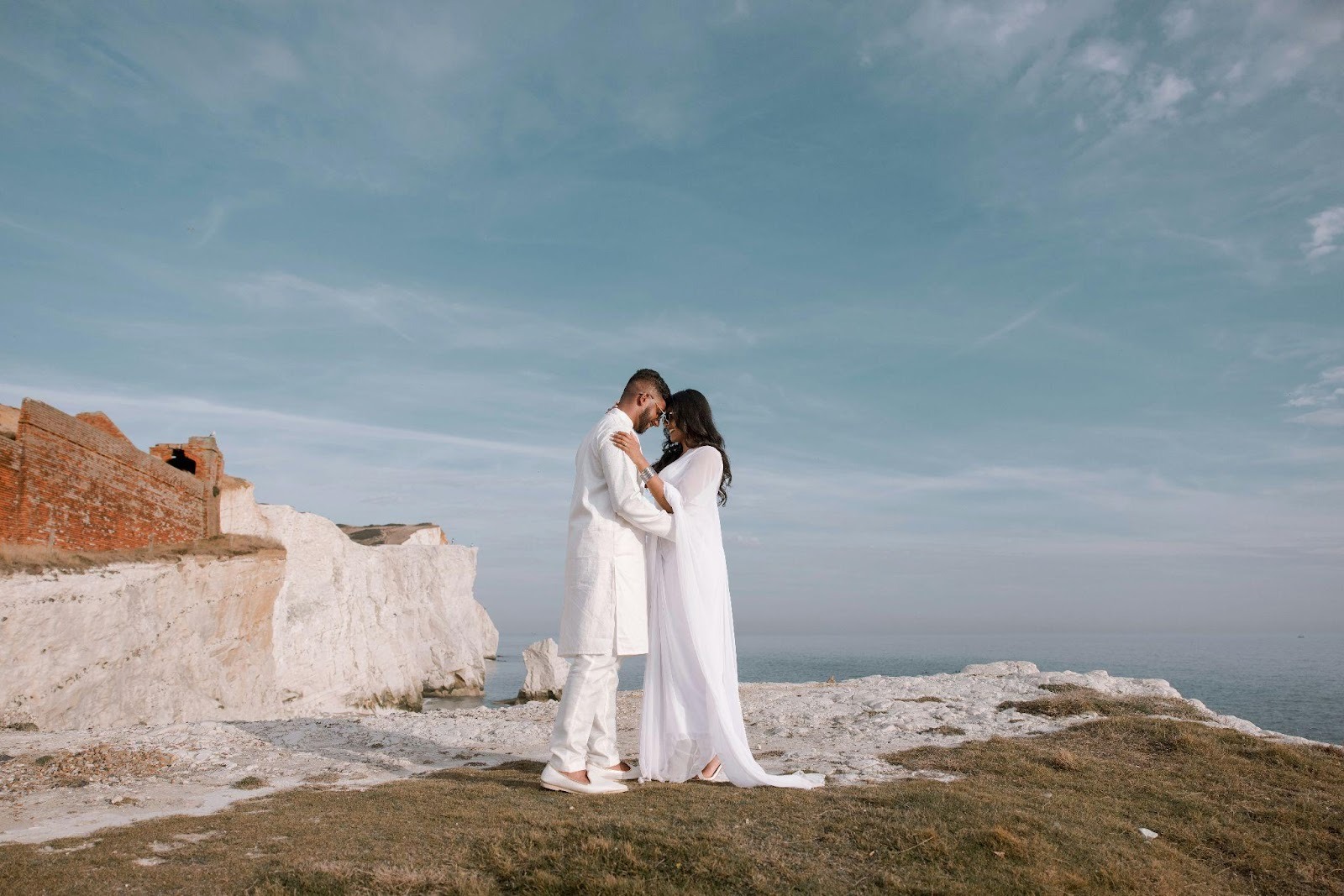
Coastal weddings often balance the relaxed spirit of the seashore with the formality of a milestone celebration. Reception styling in these settings must account for natural light, ocean breezes, shifting tides of weather, and guest comfort, while ensuring that visual cohesion carries through every moment of the event. Attention to detail becomes central, from table layouts and lighting to fabric textures and printed accents. Even seemingly small elements, such as napkins, glassware, and place settings, can have an influence on both the practical flow and visual harmony of a coastal reception.
In recent years, reception design has shifted toward integrating personal touches with environment-appropriate styling. Coastal color palettes, natural fibers, and tactile layers contribute to a relaxed yet refined aesthetic. Details that might once have been overlooked, including paper goods and printed linens, now form a deliberate part of the overall narrative of the celebration.
Given the expansive backdrops of water and sky, reception décor at coastal ceremonies often aims to complement rather than compete with nature. Soft hues, blush, driftwood gray, seafoam green, and ivory, blend with sandy settings and waterfront views. Organic materials such as jute, rattan, and lightweight linens help reinforce a sense of place.
In this context, table design becomes a stage for coordinated elements that speak to both setting and ceremony. Centerpieces, chargers, glassware, and printed accents work in concert to create a layered aesthetic. While large floral arrangements and lighting installations anchor the space, smaller details provide texture and continuity throughout the reception area.
Guest tables are more than functional surfaces; they represent visual anchors where attendees gather, converse, and dine. Properly curated accents can tie together larger design elements, making the reception feel intentional and complete. Printed pieces, menu cards, signage, and linens, introduce a graphic layer that reinforces the chosen palette and style.
Coordinated accents help prevent visual fragmentation. When colors, typography, and patterns echo across elements like place settings and decorative accents, the result is a space that feels thoughtfully considered. This approach becomes especially significant in waterfront venues where surroundings offer bold visual contrast and ambient movement.
Small decorative elements can make a notable impression without dominating a coastal reception’s aesthetic. In particular, linens and printed components contribute to an elevated table presence. Options such as monogrammed napkins wedding provide an opportunity to reinforce personal styling within the broader décor.
Monograms have long been associated with formal events, but contemporary applications frequently balance tradition with minimalism. Subtle typography, neutral inks, and high-quality materials maintain an elegant aesthetic while avoiding overly ornate styling. Because napkins are handled repeatedly by guests throughout dinner, these small personalized touches contribute to the tactile experience of the event as well as visual detail.
Texture plays a crucial role in defining space and comfort at receptions. Coastal breezes and sunlight interact with fabric surfaces differently than in enclosed venues. Lightweight materials reduce bulk and flutter attractively in the breeze, while heavier linens may anchor table settings in windier conditions.
Napkins, runners, and chair fabrics should be selected with both appearance and environmental conditions in mind. Choices that appear crisp in photographs and maintain form through movement and handling help sustain the intended aesthetic throughout the evening.
Pairing textures, soft cotton napkins with woven placemats, for example, adds dimensionality to settings without introducing complexity. In coastal environments where light can be intense and reflective, layered materials soften transitions between surfaces and reduce glare.
Color selection influences guest perception and imagery. Coastal ceremonies often draw inspiration from the natural environment, sea tones, sandy neutrals, and soft pastels. Napkins and other linens become part of a larger color story when selected against this backdrop.
Neutral tones like ivory and champagne complement both bold and subtle palettes. When used alongside metallic accents, brushed bronze, soft gold, or rose gold, these neutrals provide balance. Coordinating printed accents with these palettes ensures that small details blend seamlessly into the broader reception design.
Design and function intersect at place settings. Coastal receptions often involve plated meals, wine service, toasts, and dessert stations where table surfaces must accommodate both service and decorative elements. Napkins and linens should not only contribute visually but also support ease of use and cleanliness throughout service.
Folded napkins, napkin bands, and linen placements can subtly guide guest interaction with place settings. Thoughtful configuration minimizes clutter and maintains visual openness, allowing other design elements, glassware, floral arrangements, candles, to remain in focus.
Photographers regularly note that layered details enhance imagery without overwhelming compositions. In outdoor coastal settings, natural light accentuates textures and colors. Crisp linens and coordinated printed accents photograph well against more fluid backgrounds like water and sky.
Flat-lay images of table settings often become highlights in post-event galleries. Clean lines, refined typography, and balanced color distribution contribute to compelling images that communicate both place and mood. Small elements, monogrammed napkins, menu cards, personalized signage, capture personal narrative in these visual stories.
While aesthetic concerns often drive design decisions, guest experience remains central. Attendees engage with the environment through sight, touch, and activity. Seamless design, where elements feel integrated rather than juxtaposed, supports positive interactions with the space.
Comfortable seating, accessible tableware, and intuitive flow between reception areas contribute to the overall feel of the event. Printed pieces such as napkins and signage serve both decorative and functional roles, bridging atmosphere with utility.
Striking a balance between personalized décor and environmental context is key. In coastal ceremonies, décor should support rather than overshadow the natural surroundings. Personal touches, monogrammed napkins and coordinated printed elements, add layers of meaning that resonate with guests without detracting from the setting’s inherent visual appeal.
Coastal receptions are unique in the way they merge environment, design, and celebration. Thoughtful styling ensures that each component, from large installations to subtle printed accents, contributes to a unified experience. In this context, well-chosen table details help transform a beautiful location into a memorable event space.
Elegant reception design emerges through intentional layering of elements. Sea-inspired color palettes, complementary textures, coordinated printed pieces, and personal touches collectively shape the atmosphere. Ultimately, a cohesive experience lies in the careful integration of each design choice, reinforcing both the celebration’s tone and the setting’s natural beauty.
For coastal ceremonies, where panoramic views and ambient motion define the backdrop, these details become the threads that weave aesthetic cohesion into every facet of the event space, from ceremony to reception.