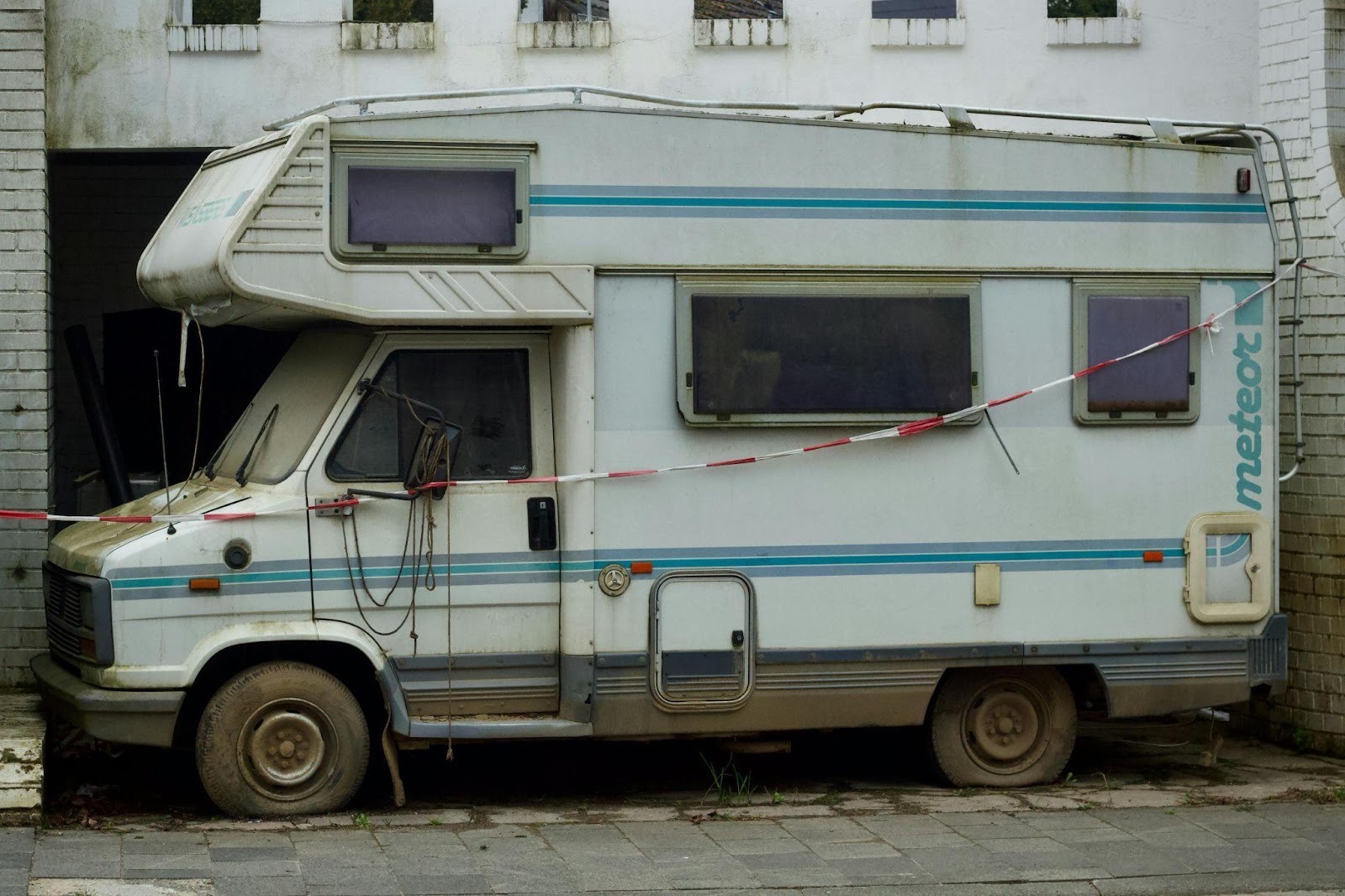
In Connecticut, an RV can slide from “weekend freedom” to “driveway burden” without a dramatic moment. One winter storage season turns into two. A soft spot near the skylight becomes a stain. A battery that used to hold a charge now dies between errands. If you’re still calling it a project but you haven’t touched it in months, the RV may already be “junk” in the only way that matters: it costs more in stress and money than it returns in use. The good news is that recognizing the signs early can help you sell at the right time, avoid pouring cash into a losing battle, and clear space for something that actually fits your life now.
Most RVs don’t become junk because of their model year. They become junk because of hidden water damage that grows quietly through Connecticut’s wet seasons, freezing nights, and spring thaw. If your RV smells musty after rain, shows bubbling walls, or has a floor that feels spongy near the bathroom or entry, those aren’t cosmetic problems. They’re structural warnings. When water gets into insulation and wood, repairs rarely stay small, and resale value drops fast.
If you’re seeing these signs and you want a clean exit, it may be time to get cash for your junk RV in Connecticut instead of chasing repair quotes that keep rising.
A single breakdown isn’t always a deal-breaker. But repeated mechanical issues can turn an RV into a long-term expense with no payoff. If your motorhome has chronic starting problems, transmission slipping, overheating, or warning lights that return after repairs, you’re likely dealing with more than normal wear and tear. These are some of the common RV problems that signal a rig is becoming harder to trust, not easier. For towables, the pattern often shows up as brake problems, bent axles, tire blowouts from long-term sitting, or frame rust that keeps spreading.
A helpful way to judge this is to track your last three “fixes.” If each one led to another issue, your RV isn’t stabilizing. It’s unraveling.
RVs are a network of systems. When one fails, others often follow, especially if the unit has been sitting. You might replace batteries and discover the converter is weak. You fix the water pump and find a cracked line. The fridge stops cooling, and you learn the control board is failing. The problem isn’t just the cost. It’s the uncertainty and the time.
Watch for “group failures,” like multiple appliances acting up at once, lights flickering when the AC kicks on, or propane appliances refusing to ignite consistently. Those are signs of deeper issues that can make selling privately exhausting.
Sometimes the RV becomes junk because of where it sits, not what’s broken. Connecticut storage fees can add up quickly, and driveway parking can invite complaints, HOA notices, or local enforcement, depending on your area. If you’re paying monthly storage for a unit you never use, that’s a clear sign the RV is costing you in a predictable, avoidable way.
Also consider the “soft costs” that don’t show up on a receipt: calling around for tow help, coordinating storage access, dealing with dead batteries, moving it to avoid plowing or street restrictions, and the mental weight of unfinished maintenance.
This is the most honest sign, and it’s more common than people admit. If you avoid opening the door because you don’t want to smell what’s inside, or you keep delaying the clean-out because it feels overwhelming, your RV has shifted categories. It’s not a hobby. It’s a stress object. And stress objects tend to get more expensive the longer they sit.
A practical move is to set a decision deadline. Give yourself a short window to either repair with a real budget and timeline, or sell as-is.
A Connecticut RV becomes “junk” when the problems start compounding: water damage spreads, mechanical issues repeat, systems fail together, and storage costs keep rising. The earlier you recognize those signs, the more control you keep over the exit. Selling as-is isn’t a defeat. It’s a smart call to stop feeding a project that doesn’t fit your life anymore, and it can come with environmental benefits when the RV is properly recycled, or its usable parts are kept in circulation instead of rotting in place.
If your RV is costing more than it gives back, choose a clean break, reclaim your space, and move on with less stress. And if you have junk cars or damaged cars sitting nearby, consider selling them too, because one clear decision can turn a cluttered property into cash, relief, and momentum.