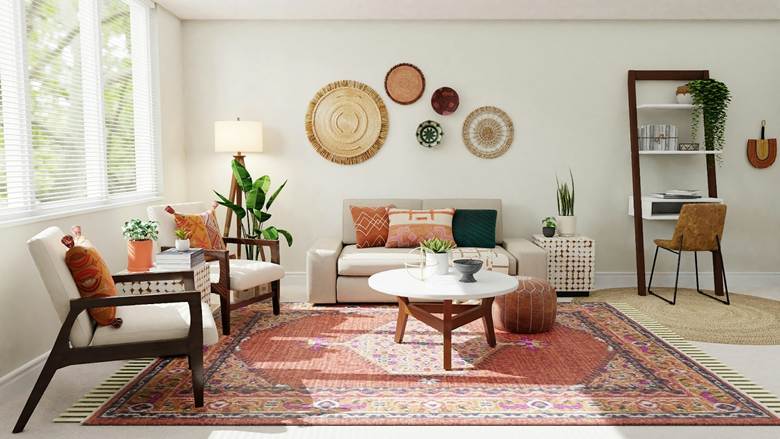
Many homeowners reach a point where their house no longer fits their lifestyle. Families grow, routines change, and work or hobbies start demanding dedicated space. The frustration often comes from feeling boxed in rather than from the home itself. Moving is expensive and disruptive, while major renovations can feel overwhelming. The good news is that adding usable square footage does not always require tearing the house apart. In many homes, even small layout adjustments around shared spaces like dining tables can make everyday living feel more open and comfortable.
With careful planning, homeowners can improve daily comfort, increase functionality, and support future resale value. The key is focusing on practical improvements that solve real space problems while staying realistic about cost, timing, and construction impact.
Before planning any expansion, it's important to identify areas of the home that are underused or poorly aligned with daily routines. Transitional zones, awkward corners, and rooms with limited purpose often offer the greatest opportunity. Looking closely at how each space functions helps reveal where the layout creates friction.
Issues such as limited storage, congested pathways, or single-use rooms often signal the need for change. This kind of evaluation encourages homeowners to explore targeted structural updates rather than committing to extensive renovations. It also highlights spaces that can be modified without major work to foundations, roofs, or utility systems. While a full-scale renovation is one option, many homeowners believe small room additions offer a more manageable way to solve specific space challenges without placing unnecessary strain on the budget.
Attics, basements, and garages are often overlooked because they feel unfinished or inconvenient. However, these spaces already sit within the home's footprint, thereby significantly reducing construction costs. An attic can become a quiet bedroom, hobby room, or reading space with proper insulation and safe access.
Basements work well for media rooms, guest areas, or storage-focused layouts that free up space upstairs. Garages can be partially converted while still leaving room for tools or parking. The key is understanding moisture control, ceiling height, and ventilation early in the planning process. When handled correctly, these conversions add function without changing the home's exterior.
Bump-outs are a smart option for homeowners who need just a little more room. Unlike full additions, they extend one wall by a few feet, which keeps structural changes limited. In kitchens, a bump-out can create space for a breakfast nook, additional cabinets, or improved traffic flow.
Bathrooms benefit from extra elbow room, allowing for larger showers or better storage. Because bump-outs often avoid complex roofing and foundation work, they cost less and take less time to complete. They also allow homeowners to stay in the house during construction. When planned carefully, a small expansion can make daily routines noticeably more comfortable.
Enclosing an existing porch or deck is another budget-conscious way to add usable space. Since the structure is already in place, homeowners can save on framing and foundation costs. With proper insulation, windows, and heating, a four-season room can function year-round. These spaces work well as dining areas, playrooms, or quiet retreats that still feel connected to the outdoors.
Design consistency matters here. Matching flooring, trim, and lighting to the main house helps the new room feel intentional rather than temporary. When done right, a converted porch improves both livability and the home's overall flow.
As remote and hybrid work become more common, homeowners often need a dedicated workspace without sacrificing an entire room. A closet office, or cloffice, offers a practical solution. By removing doors and adding a compact desk, shelving, and task lighting, a small footprint can support focused work. Electrical access is usually nearby, which helps control costs.
Sound control and ventilation should be considered to keep the space comfortable during longer work sessions. The biggest advantage is separation. Even a small workspace helps maintain boundaries between work and home life, improving productivity and reducing daily stress.
Outdoor spaces can serve as functional extensions of the home when designed with intention. Patios, screened porches, and covered decks provide room for dining, relaxing, or entertaining without the cost of enclosed construction. Choosing durable flooring, weather-resistant furniture, and consistent color palettes helps these areas feel connected to the interior.
Lighting also plays a major role in usability, especially in the evenings. While these spaces may not count as interior square footage, they reduce pressure on indoor rooms and support flexible living. Over time, they also enhance homeowners' experience of the home across different seasons.
Managing costs comes down to understanding where money makes the biggest impact. Materials offer flexibility, since homeowners can choose finishes that meet both budget and durability goals. Labor, however, is harder to reduce without risking quality. Tasks like painting, trim installation, or basic demolition are often manageable for confident DIYers.
Structural work, electrical, and plumbing should remain professional responsibilities. Breaking projects into phases can also help. This approach allows homeowners to invest gradually while maintaining control over both quality and costs, reducing financial strain during the project.
Design choices can significantly affect how large a space feels, even when square footage stays the same. Layered lighting helps eliminate shadows and makes rooms feel more open. Recessed lights, wall sconces, and under-cabinet lighting each serve a purpose. Lighter wall colors reflect light more effectively, while consistent flooring improves visual flow between rooms.
Mirrors amplify natural light and can visually extend walls when placed strategically. These updates are relatively affordable and often overlooked. When combined with small layout changes, they can make new spaces feel more comfortable and intentional.
Even modest projects may require permits or zoning approval, depending on location. Homeowners should check local regulations early to avoid delays or fines. Setback rules, height limits, and usage restrictions can affect what is allowed. This is especially important for exterior expansions or enclosed structures.
Permit costs are usually minor compared to the risk of having to undo completed work. Contractors often assist with this process, but homeowners benefit from understanding the basics. Clear communication with local building offices keeps projects moving and prevents costly surprises.