Photo from Titan WorldWide
Efficiently managing a local construction site requires more than just skilled labor; it demands a robust logistical strategy to ensure materials and equipment are secure and accessible. In a fast-paced environment where delays translate directly into financial losses, safeguarding your supply chain against theft, damage, and administrative errors is paramount.
By implementing structured oversight and leveraging modern tracking technologies, project managers can mitigate the inherent risks of urban job sites, such as high traffic and limited storage footprints.
Proactive logistics management protects your physical assets and stabilizes the overall project timeline by preventing the bottleneck effect caused by missing or compromised supplies. Educating your team on standardized receiving protocols and secure perimeter management creates a culture of accountability that extends from the delivery truck to the final installation.
Read on to discover how these three strategic approaches can fortify your operations and keep your next local project running smoothly and securely.
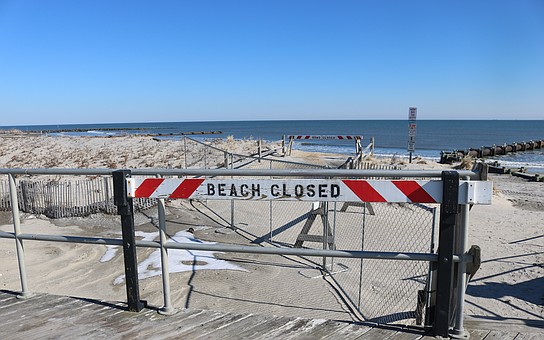
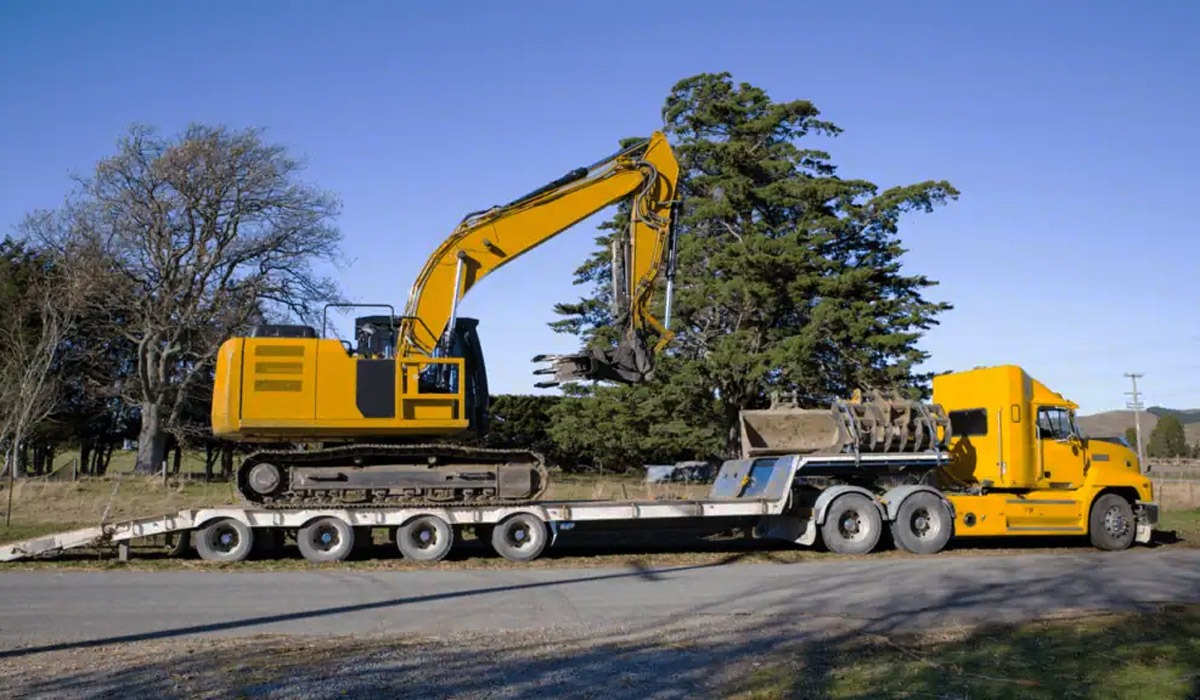
Coastal job sites come with logistical headaches like weight-restricted bridges and single-lane causeways. Seasonal tourist surges often turn main routes into parking lots. Waiting until the equipment is on a lowboy at the city limits is a recipe for delay.
Highway truck bottlenecks accrue significant truck hours of delay, totaling upwards of 243 million hours annually. At a delay cost of $32.15 per hour, the direct user cost of bottlenecks is about $7.8 billion per year. To ensure smooth operations, assess size and permit requirements as soon as the machine list is finalized.
Coordination is key to avoiding site bottlenecks. Utilizing professional heavy equipment transport solutions from Titan WorldWide provides access to experts who handle daily regulatory shifts and equipment synchronization.
By delegating these logistical details, project managers can ensure that specialized trailers and escort vehicles are lined up well in advance, maintaining a seamless transition from the highway to the job site.
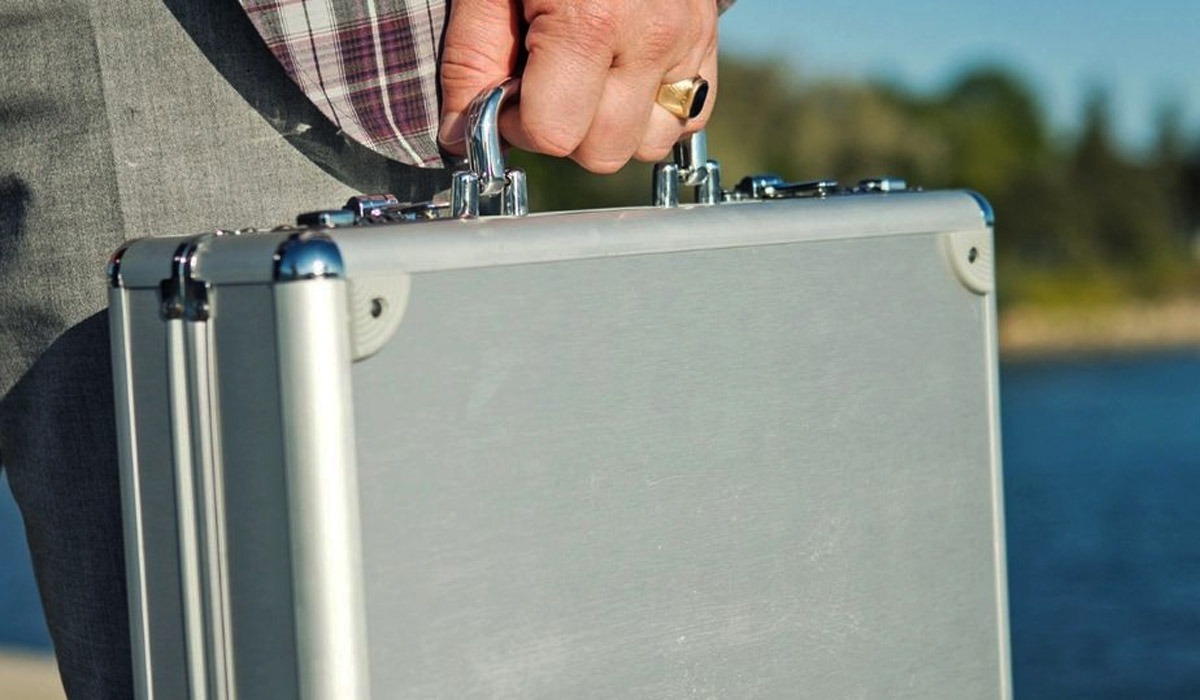
Photo from Royal Case Company
If you have ever found rust on freshly serviced laser levels, you know coastal humidity is relentless. Throughout the year, the relative humidity is high, averaging from 64 to 90 percent at 0700. Wind-driven salt aerosols quickly turn electronic equipment into casualties.
Rugged aluminum resists rust and impact better than standard plastic totes. Custom foam keeps components locked in place to reduce vibration damage. IP-rated seals shut out airborne moisture and salt spray. The Royal Case Company specializes in custom aluminum cases designed to protect sensitive equipment from condensation and environmental damage.
Idle labor significantly impacts the bottom line when the next component hasn’t arrived. The cost to a truck driver per vehicle-hour of delay in the queue is roughly $20.68. To mitigate this, integrate delivery milestones directly into the master Gantt chart.
Stage machines and high-value tools inside lockable containers or fenced compounds on-site. If space is tight, leverage a nearby yard with 24-hour access. Use real-time logistics dashboards to track truck locations and receive proactive delay alerts.
In towns hosting frequent festivals, paying a premium for Friday-night off-loading beats Monday-morning gridlock. Building a buffer day plus secure staging into the critical path helps projects finish on time.
Because construction logistics rarely happen in a vacuum, here are a few additional tools crews around town have found useful.
Coastal construction requires careful navigation, but it doesn’t have to be chaotic. Plan heavy-equipment moves early using trusted specialists to shield mission-critical tools. Smart logistics protects budgets and reputations.
Start mapping routes and locking in delivery windows now. The next project could finish sooner, quieter, and with fewer detours.