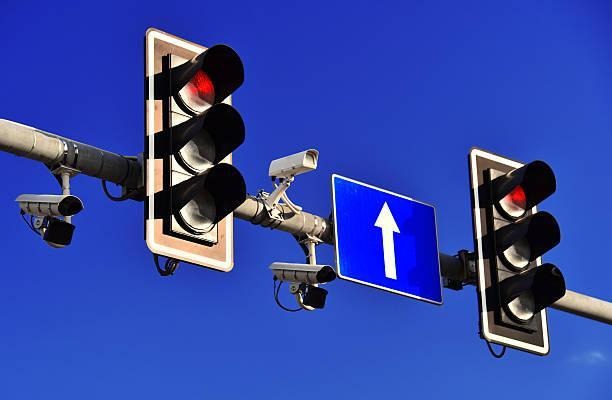
Traffic rules exist to keep roads safe for everyone. As cities grow, managing traffic becomes harder each year. Accidents, speeding, and red light violations remain common problems on busy roads. This is where the role of traffic and red light cameras becomes important in modern traffic control systems.
Traffic and red light cameras are tools used by cities to monitor driving behavior. These cameras are usually placed at busy intersections, highways, and accident-prone areas. Their main goal is to improve road safety and encourage drivers to follow traffic laws. While some people see them as a way to issue tickets, their purpose goes much deeper than that.
One of the biggest benefits of traffic and red light cameras is improved safety. Red light cameras capture drivers who run red lights, which is a major cause of serious crashes. These crashes often happen at intersections and can lead to severe injuries or even death.
When drivers know cameras are present, they are more likely to slow down and stop on time. This reduces the number of dangerous violations and helps protect pedestrians, cyclists, and other drivers. Over time, many cities see fewer accidents at intersections where cameras are installed.
Traffic cameras help shape better driving behavior. Speed cameras remind drivers to stay within speed limits, even when police officers are not nearby. This creates a sense of constant awareness.
Drivers who regularly obey traffic laws may not notice much change. However, drivers who often speed or ignore signals may rethink their habits. This leads to safer roads for everyone, not just those who receive tickets.
Police officers cannot be everywhere at once. Traffic and red light cameras help fill this gap. They work around the clock, capturing violations day and night, in all weather conditions.
This allows law enforcement to focus on more serious issues, such as drunk driving, emergencies, and traffic control during major events. Cameras act as extra eyes on the road and support officers without replacing them.
Another important role of traffic cameras is to collect clear evidence. Camera footage and photos can show exactly what happened during a traffic violation or accident. This helps reduce arguments over fault.
In accident investigations, camera data can be useful for police reports and insurance claims. It can show whether a driver ran a red light, was speeding, or failed to yield. This clarity helps create fair outcomes for everyone involved.
Traffic cameras are not only used for enforcement. Some cameras monitor traffic flow and help cities manage congestion. Traffic control centers use live camera feeds to adjust signal timing and respond to accidents faster.
When traffic moves smoothly, there are fewer delays and less frustration for drivers. This also lowers the risk of accidents caused by sudden stops or heavy congestion.
Privacy is a common concern with traffic cameras. Many drivers worry about being constantly watched. To address this, laws usually limit how camera data is stored and used.
Most traffic cameras only capture images when a violation occurs. They do not track drivers continuously. Clear rules and proper oversight help balance safety needs with personal privacy.
Studies in many areas show that traffic and red light cameras can reduce accidents, especially severe ones. Their success depends on proper placement, clear signage, and fair enforcement.
When used correctly, cameras are not about punishment. They are about prevention, awareness, and saving lives.