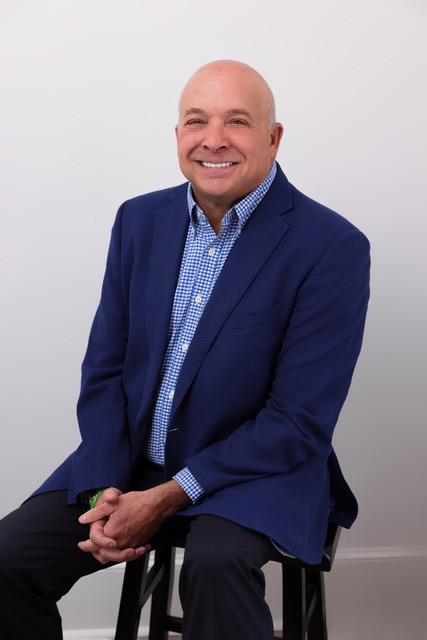
In a legal climate that often feels distant and difficult to navigate, Michael Langley has built a career grounded in direct communication and practical problem solving. Based in Little Rock Arkansas, Langley has spent decades working in civil and administrative law with a focus on helping individuals and small businesses understand their options and move forward with confidence. His approach is not rooted in theatrics or aggressive posturing. Instead it is shaped by preparation, honesty, and follow through.
Langley describes his work as a responsibility rather than a title. Each client brings a situation that requires careful analysis and clear guidance. He believes the role of an attorney is to remove confusion from the process and replace it with structure and realistic expectations. That belief has influenced how he manages his cases, his staff, and his professional reputation over time.
Langley's professional path was shaped by an early interest in how rules and systems affect real people. Over the years that interest developed into a disciplined legal practice that emphasizes preparation and accountability. His work spans civil matters and administrative proceedings, areas that demand careful attention to detail and a strong command of statutes and case law.
Rather than chasing volume, Langley has focused on depth. He reviews issues closely, identifies the desired outcome, and then traces the legal path required to reach it. This process driven mindset allows him to provide clients with a clear understanding of both opportunity and risk. Clients may not always like the answer they receive, but they leave knowing it is grounded in law and experience rather than speculation.
One of the most consistent themes in Langley professional philosophy is communication. He views responsiveness as a key measure of client satisfaction. For him, being available and clear is not an optional service feature. It is part of the job itself.
Langley has adopted tools and systems that help his firm respond efficiently while maintaining the quality of work clients expect. He is selective in what he uses, choosing only those tools that improve internal coordination and client contact. The goal is not speed alone but accuracy paired with timely updates. When clients understand where their case stands, trust follows naturally.
Maintaining a positive professional reputation does not come from slogans or surface level branding. Langley believes it comes from doing what you say you will do. He is direct with clients about timelines, potential outcomes, and costs. That directness may feel uncomfortable at times, but it establishes credibility.
Langley also places importance on resolving concerns when they arise. Complaints and criticism are addressed rather than avoided. He listens carefully, evaluates whether change is needed, and takes action when appropriate. In his view, honest feedback is a tool for professional growth rather than a threat to authority.
Langley identifies problem analysis as one of his strongest professional skills. When presented with a case, he begins by isolating the core issue and defining a realistic goal. From there he conducts a thorough review of relevant statutes and precedent. This disciplined approach allows him to map a clear strategy rather than reacting case by case.
Clients benefit from this method because it reduces uncertainty. They know why certain steps are taken and how each decision fits into the broader objective. Langley's approach also allows him to adapt when circumstances change without losing sight of the end goal.
Long term planning plays an important role in Langley's continued success. Each year he steps away from daily responsibilities to evaluate progress and set goals. He often does this during a dedicated weekend focused entirely on planning. These sessions are not rushed. They are deliberate reviews of what worked, what did not, and what needs adjustment.
Langley involves his wife in this process, valuing her perspective as a trusted sounding board. This practice reinforces balance between professional ambition and personal responsibility. It also ensures that growth is intentional rather than reactive.
While Langley uses social media to maintain visibility, he considers relationships the most effective way to build trust and credibility. His focus is on doing strong work for existing clients and maintaining connections across civic and business communities. These relationships are not transactional. They are built over time through reliability and mutual respect.
When interacting with clients, Langley draws a clear line between professional confidentiality and personal connection. He does not discuss client business outside appropriate settings. Instead he builds rapport through shared interests and conversation unrelated to legal matters. This balance allows clients to feel known without compromising privacy.
The legal field does not exist in isolation. Langley stays informed by following industry publications, legal blogs, and news sources. He pays particular attention to how national trends intersect with local conditions in Arkansas. In many cases the state follows a different path, and understanding those distinctions is essential to effective representation.
By keeping a close eye on both local and national developments, Langley ensures that his advice remains current and relevant. This awareness also allows him to anticipate changes that may affect clients before they become urgent issues.
For Langley, protecting his professional reputation comes down to two principles. Do the work you were hired to do and communicate clearly while doing it. He does not rely on shortcuts or vague assurances. Each case is handled with attention and respect for the client's trust placed in him.
This consistency has allowed Langley to maintain a steady practice built on referrals and long standing relationships. His reputation is not the result of a single achievement but of years spent meeting expectations and addressing challenges head on.
Michael Langley's career reflects a steady commitment to clarity, accountability, and service. He does not frame his work as a calling or a performance. He frames it as a responsibility to clients and to the legal system itself. Through careful analysis, direct communication, and thoughtful planning, he continues to serve individuals and businesses throughout Little Rock and beyond.
In an environment where legal processes can feel overwhelming, Langley offers something increasingly rare. A measured voice, a clear plan, and a commitment to follow through. That combination has defined his work for decades and continues to guide his practice today.