Image Source: Yandex.com
Ventilation systems are an essential part of modern homes, controlling airflow, temperature, and indoor air quality. In Texas, and especially in San Antonio, homes face challenges such as high heat, humidity, and dust, all of which make ventilation systems even more important. These systems are designed to circulate air, remove moisture, and reduce indoor pollutants.
However, when ventilation systems are dirty or poorly maintained, they can have the opposite effect, spreading dust, allergens, and other contaminants throughout the home. Understanding how these systems work and why cleanliness matters can help homeowners maintain healthier living environments.
Air ducts and vents collect dust, pet dander, pollen, and other particles over time. In Texas, dry conditions can cause more dust to enter homes through windows and doors. Homes near busy streets or construction sites also experience increased particle buildup in ventilation systems.
Moisture from humidity or condensation can further contribute to dirt accumulation. Damp environments inside ducts can promote mold and bacterial growth, which can then be distributed throughout living spaces.
When dirt and contaminants accumulate, they can restrict airflow and reduce the efficiency of heating and cooling systems. Over time, this leads to higher energy consumption and increased wear and tear on equipment. More importantly, accumulated pollutants are recirculated into the indoor environment, affecting air quality and the health of occupants.
Dust, pollen, mold spores, and pet dander are common irritants found in dirty ventilation systems. When these particles are continuously circulated, they can trigger allergies, asthma attacks, and other respiratory issues. Children, the elderly, and people with pre-existing health conditions are particularly vulnerable to poor indoor air quality.
Mold and bacteria thrive in damp, dusty environments. Once these microorganisms establish themselves in ducts, they can be carried throughout the home every time the system operates. This not only affects health but can also produce unpleasant odors and contribute to a stuffy, uncomfortable atmosphere.
Dirty ventilation systems can make indoor spaces less comfortable by affecting temperature consistency. Restricted airflow due to accumulated dust can prevent even distribution of heated or cooled air. This can lead to hot or cold spots in different areas of the home, making it harder to maintain a consistent, healthy indoor environment.
Dust around vent openings, unexplained buildup on surfaces near vents, or noticeable dirt in rooms may indicate that air ducts are contaminated. Regular inspection can help identify these early signs before the problem worsens.
Musty or stale odors coming from vents often point to mold or bacterial growth. These smells are a clear signal that professional cleaning is necessary to prevent further contamination and potential health risks.
Frequent sneezing, coughing, watery eyes, or other allergy symptoms inside the home can be a sign of poor air quality. While outdoor allergens may contribute, dirty ducts and vents are often a hidden source of indoor allergens.
Routine cleaning and maintenance help remove dust, allergens, and microorganisms from ventilation systems. Cleaner ducts improve indoor air quality, reducing the likelihood of respiratory problems and creating a more comfortable home environment.
Air that flows freely through clean ducts allows heating and cooling systems to work more efficiently. This can lead to lower energy consumption, reduced utility bills, and extended lifespan of HVAC equipment.
Neglecting vent cleaning can result in accumulated debris, mold, or restricted airflow, which may damage HVAC components over time. Regular maintenance helps prevent these costly repairs and keeps systems running effectively.
While changing air filters and vacuuming vent openings can help, these methods do not reach the deeper parts of ductwork where most dust, mold, and bacteria accumulate. Surface cleaning alone is not sufficient to maintain optimal air quality.
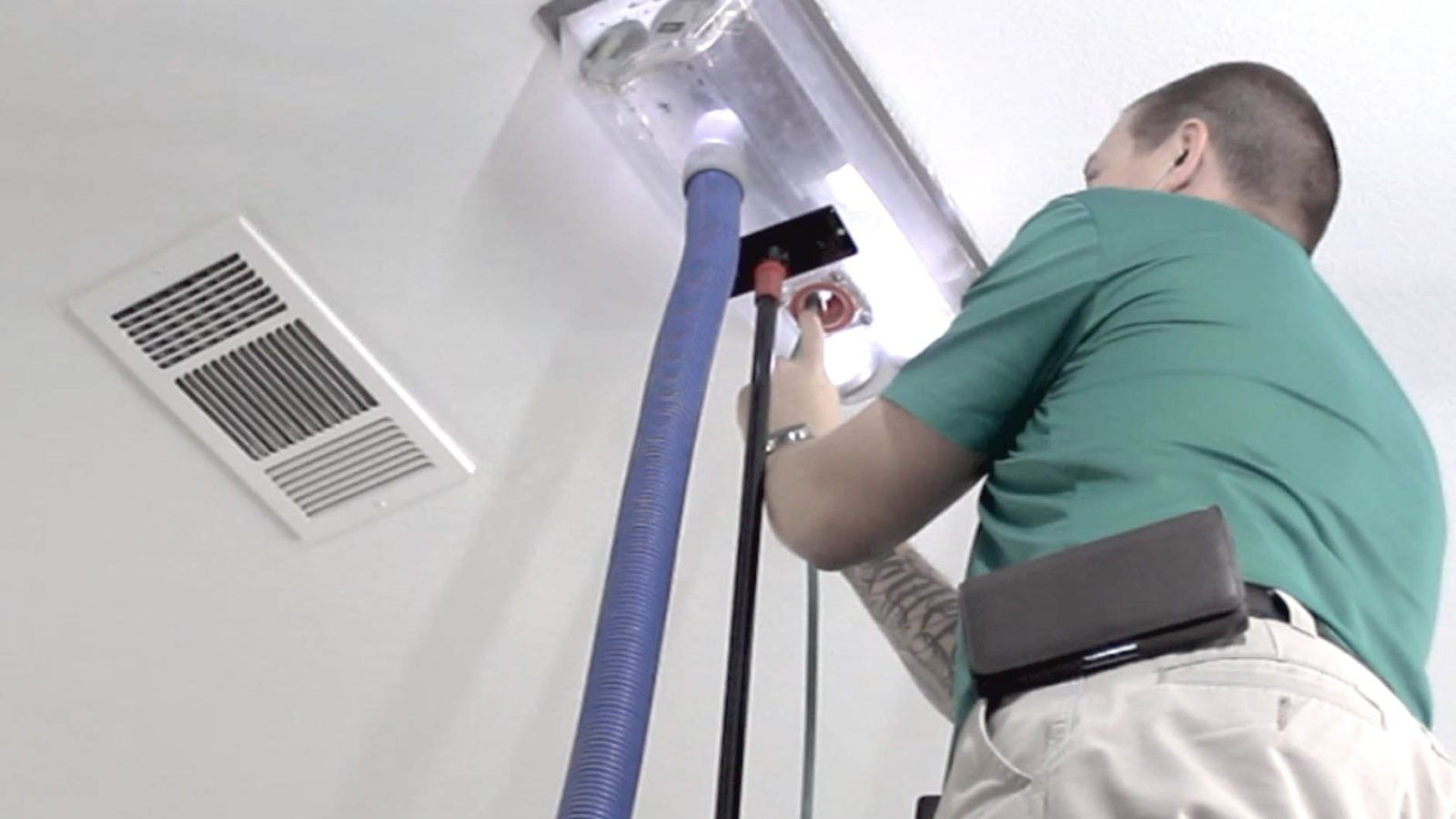
Keeping ventilation systems clean is essential for maintaining healthy indoor air. In San Antonio, professional Air Duct Cleaning San Antonio services use specialized equipment to remove dust, allergens, and other contaminants from the entire ductwork. Technicians also inspect the system for potential issues such as mold, moisture buildup, or leaks, ensuring both cleaner air and efficient airflow throughout the home.
Replacing or cleaning HVAC filters on a consistent schedule helps reduce the amount of dust and debris that enters ductwork. High-quality filters can capture smaller particles, supporting cleaner air circulation.
Moisture is a key factor in mold growth. Using dehumidifiers or maintaining proper ventilation in humid areas of the home can help prevent damp conditions in ducts.
Even without a full professional cleaning, inspecting ducts and vents regularly can help identify early signs of dirt or mold. Addressing problems early can prevent larger, more costly issues in the future.
Maintaining clean ventilation systems supports both health and comfort in the home. By removing dust, allergens, and harmful microorganisms, homeowners in San Antonio can enjoy improved indoor air quality year‑round. Clean ducts also allow HVAC systems to operate efficiently, reduce energy costs, and extend the life of the equipment. According to the U.S. Environmental Protection Agency, controlling dust, moisture, and allergens indoors is critical to maintaining a safe and healthy environment, especially for individuals with respiratory conditions. By combining regular inspections, professional cleaning, and preventive measures, homeowners can ensure their ventilation systems contribute positively to indoor health rather than detract from it. For more tips on practical home maintenance that supports air quality and overall comfort, you can read the article Why One‑Time Cleans Are Essential for Seasonal Home Maintenance on SeaIsleNews.com, which discusses how targeted cleaning tasks can help refresh air quality and support healthier indoor living spaces.