Think of what it would be like to drop the processed foods and feel better?
That is the Paleo promise. But does it deliver?
We are in a time when dietary prescriptions change as often as the wind, but this one diet recommends the solution to the chronic disease of our age, as found 10,000 years ago.
The Paleo diet is based on a basic premise: anything a caveman did not eat, neither should you.
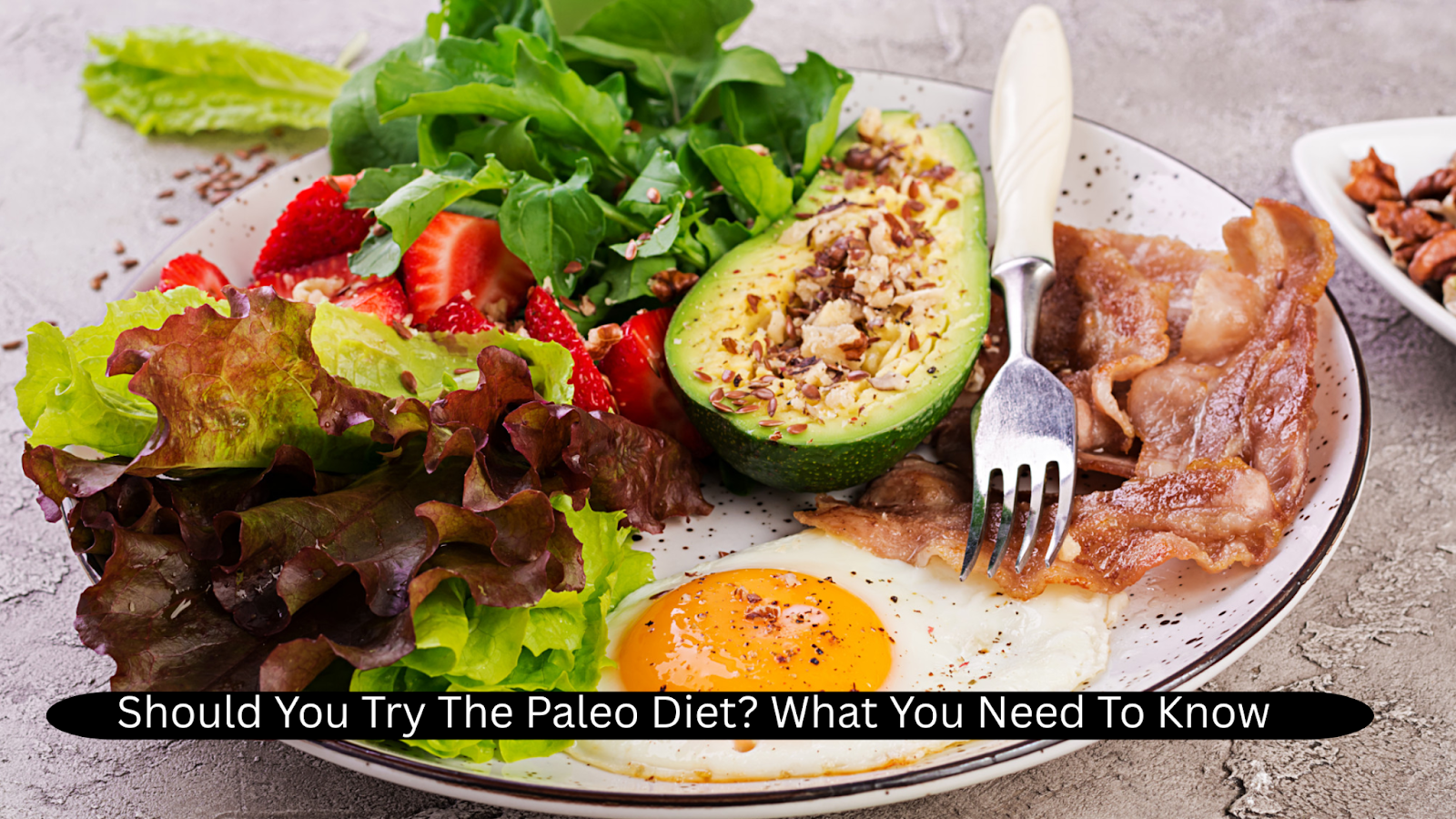
This diet emphasizes whole foods, including meat, fish, fruits, and vegetables, and excludes the pillars of the modern Western diet, including grains, dairy, and processed sugars.
This article will take you through the positive, the negative, and the science, and will provide a fair conclusion on whether to reverse the evolutionary clock on your dinner plate.
The Paleo diet is based on the food habits of the Palaeolithic period (around 2.5 million to 10,000 years ago), before the invention of agriculture. According to the theory, the human body is genetically ill-adapted to modern farming products.
To determine whether this is the right lifestyle, we must first understand the principles of the Paleo diet.
Proteins: Grass-fed meat, wild-caught fish, and free-range eggs.
Produce: A large number of vegetables and fruits (not excessively since they contain sugar).
Healthy Fats: An avocado, olive oil, coconut oil, nuts, and seeds (except peanuts, which are legumes).
Grains: Wheat, oats, barley, rice (no pasta or bread).
Dairy: Milk, cheese, yogurt (however, sometimes one can use grass-fed butter).
Legumes: Beans, lentils, peanuts, soy.
Processed Items: Refined sugars, artificial sweeteners, and highly processed snacks.
Note on Variations: Although strict Paleo excludes all of the above, primal variations may allow high-quality dairy and fermented foods, making the switch easier for some.
Advocates leave behind ancestral eating, purging obesity and diabetes. Does the data agree?
Removing processed carbs and sugar creates a calorie deficit for most individuals. A meta-analysis study also proved that Paleo results in greater short-term weight loss than the guidelines.
In a systematic review, 880 participants were examined. Paleo followers lost an average of 5.3 kg (approximately 11.6 lbs) over eight weeks. It was very effective at reducing short-term fat mass, as the researchers found.
Eliminating refined grains and sugars reduces blood glucose spikes. Research indicates that it makes insulin sensitive, which has a positive aesthetic value in Type 2 diabetes.
Most people complain that the afternoon doldrums vanish after giving up heavy lunches that include grains.
Plants with a high fiber content and fewer chemical additives reduce gut inflammation, which may increase energy levels.
Though the gains are quick, the restrictiveness of Paleo makes it questionable in the long-term health and sustainability. A major one is scientific critiques.
There is criticism of the "ancestral" premise. In January 2025, the results were reported in an article on ancient stone tools.
Early humans are known to have processed and consumed grains and plant starches more than 10,000 years ago. The grain-free rule may be historically inaccurate.
Paleo does not fit all. It is also inclined toward particular types of metabolism and health objectives.
Individuals with autoimmune diseases (in most cases, the Autoimmune Protocol or AIP variant).
The insulin-resistant and pre-diabetic.
People who wish to eliminate processed food.
Endurance Athletes: High-intensity training may demand readily digestible carbohydrates (grains/starches) to replenish glycogen.
Low-End Income Earners: Meat and produce prices are prohibitive.
Vegetarians/ Vegans: It is tough to meet protein requirements on Paleo without legumes or soy.
Should you choose to commit to the leap, preparation makes the first week without giving in to a pizza craving easy.
Breakfast: Scrambled eggs and spinach.
Lunch: Steak Salad with leftover steak and Vinaigrette.
Dinner: Salmon that is grilled with asparagus.
Breakfast: Chia seed almond milk pudding.
Lunch: Turkey lettuce wraps.
Dinner: Roasted chicken thighs, Sweet potato mash.
Days 3-7: Alternate vegetables and proteins so as not to be bored.
Buy in Bulk: Buy nuts, seeds, and frozen meats in large quantities.
Go Seasonal: Use what is in season (fruits and vegetables) to reduce expenses.
Frozen is Fine: Frozen vegetables can prove to be as nutritious as fresh and much less expensive.
Zucchini Noodles in Pesto: Spiralize the zucchini; make a dairy-free pesto with basil, walnuts, olive oil, and garlic.
Burger Bowl: This is made with a grass-fed beef patty (beef patty without the bun) on a bed of greens, with pickles, onions, and avocado.
Dessert: slices of apples (baked) sprinkled with cinnamon and walnuts will make you feel naughty and yet in compliance.
The Paleo diet is a great hard reset to your diet. It compels you to read labels, cook, and get rid of the ultra-processed junk that is plaguing the contemporary world of nutrition.
Nonetheless, it is questionable in its historical accuracy and too restrictive as a long-term challenge.
It is not a magic miracle cure, but it is worth trying, should you need to check food sensitivities or overcome a sugar addiction.