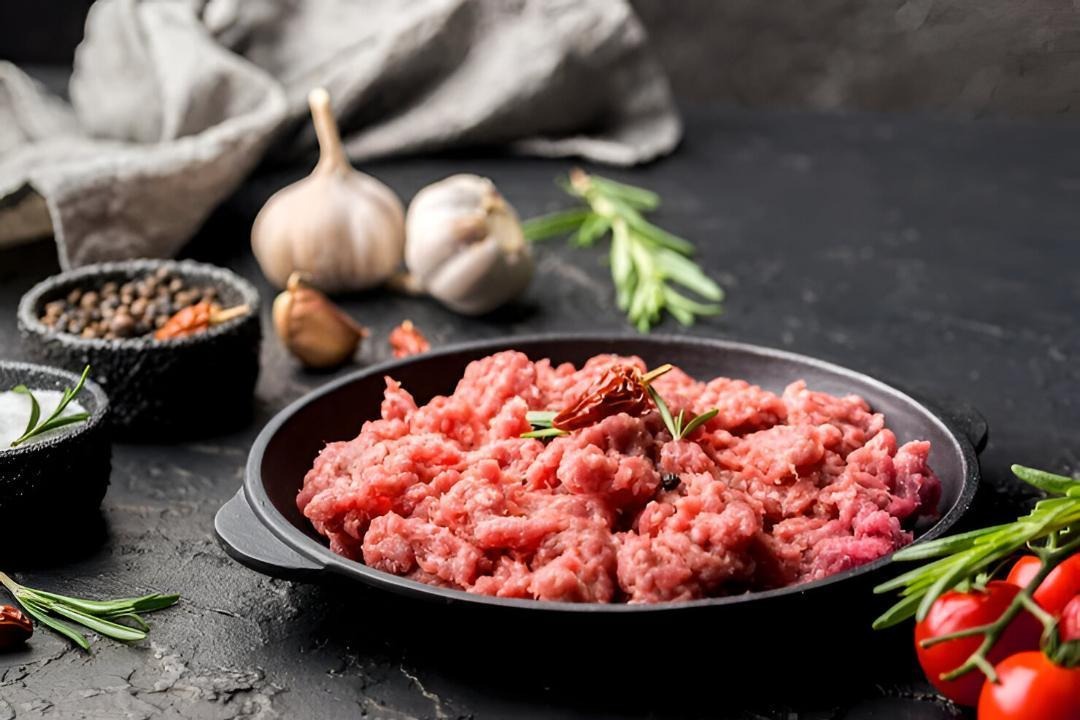
Food safety has become one of the most important concerns in modern kitchens. Whether food is prepared at home or in a professional environment, people expect meals to be safe, clean, and consistent. While ingredients and storage play a role, preparation methods are just as critical. Meat preparation, in particular, requires careful handling because raw meat can easily become a source of contamination if not processed correctly.
As awareness of food safety increases, kitchens are paying more attention to the tools and processes used during meat handling. Proper preparation not only protects consumers but also builds confidence among cooks, staff, and customers. When meat is handled with care and consistency, the entire cooking process becomes more reliable and controlled.
Why Meat Handling Is a Major Food Safety Factor
Raw meat can carry bacteria if not handled properly. Cross-contamination, poor hygiene, and inconsistent preparation methods can quickly turn into safety risks. This is why meat handling is often the focus of food safety inspections and regulations.
Key risks associated with improper meat handling include:
Addressing these risks requires a combination of good practices and reliable equipment.
The Role of Equipment in Safe Meat Processing
Food safety is not only about how carefully staff work; it also depends on the tools they use. Equipment designed for proper meat processing supports safer handling by reducing direct contact and ensuring consistent results.
A Meat Grinder helps standardize the meat preparation process. By grinding meat in a controlled way, kitchens reduce unnecessary handling and improve consistency. Controlled processing also makes it easier to manage portions and cooking times, which contributes to safer food outcomes.
Reducing Cross-Contamination Through Controlled Preparation
Cross-contamination occurs when bacteria from raw meat spreads to other foods, surfaces, or utensils. This risk increases when preparation methods are unorganized or overly manual.
Controlled meat processing helps reduce this risk by:
By minimizing unnecessary movement and contact, kitchens create a safer preparation environment.
Why Consistency Matters for Food Safety
Consistency is not only about taste; it is also about safety. When meat is processed unevenly, cooking times can vary, increasing the risk of undercooked portions. Undercooked meat is a common cause of food-related illness.
Consistent preparation ensures:
Reliable preparation methods make it easier for kitchens to follow food safety guidelines and deliver safe meals every time.
Supporting Staff Confidence in the Kitchen
A safe kitchen environment also improves staff confidence. When cooks trust their tools and preparation methods, they can focus more on cooking and presentation rather than worrying about safety issues.
Benefits of improved confidence include:
Confidence built through reliable processes contributes to overall kitchen efficiency.
How a Meat Grinder Supports Clean and Organized Workflows
An organized kitchen is a safer kitchen. Equipment that supports clean workflows helps staff maintain order and follow hygiene practices more effectively.
Using a Meat Grinder allows kitchens to designate a clear process for meat preparation. Meat is processed in one controlled area rather than across multiple surfaces. This organization makes cleaning easier and reduces the chance of contamination.
The Importance of Easy Cleaning and Maintenance
Cleaning is a critical part of food safety. Equipment that is difficult to clean can trap residue, increasing the risk of bacterial growth. This is why ease of cleaning is an essential factor in meat processing tools.
Good equipment design supports:
These features help kitchens maintain hygiene standards without slowing down operations.
Compliance With Food Safety Standards
Food safety regulations are becoming more strict across many regions. Kitchens must follow guidelines related to meat handling, storage, and preparation. Using appropriate equipment helps kitchens meet these requirements more easily.
Compliance benefits include:
Proper preparation tools act as a support system for regulatory compliance.
Building Customer Trust Through Safe Preparation
Customers may not see what happens in the kitchen, but they can sense quality and care in the final dish. When food is prepared safely and consistently, customers feel more confident about what they are eating.
Trust is built through:
Over time, this trust leads to repeat customers and stronger brand loyalty.
Long-Term Benefits of Safe Meat Processing Practices
Focusing on food safety provides long-term advantages beyond immediate compliance. Kitchens that prioritize safe preparation experience fewer issues related to quality complaints and health concerns.
Long-term benefits include:
These benefits support sustainable growth and long-term success.
Choosing the Right Equipment Partner
Safe meat processing depends heavily on equipment quality. A reliable supplier understands the importance of hygiene, durability, and performance in food preparation tools.
For kitchens looking to strengthen their meat handling practices, Mirabake.com provides food processing solutions designed to support safety, consistency, and efficient workflows.
Preparing Kitchens for Higher Safety Expectations
As consumer awareness continues to grow, expectations around food safety will only increase. Kitchens that adapt early are better positioned to meet these expectations without disruption.
Investing in proper preparation methods and reliable equipment allows kitchens to maintain high safety standards while operating efficiently. This balance is essential in a competitive food environment.
Final Thoughts
Food safety starts with proper preparation. In meat-based cooking, consistent handling and controlled processing play a crucial role in delivering safe and high-quality meals. When kitchens focus on preparation methods, they reduce risks and improve overall confidence.
Reliable tools and organized workflows help kitchens maintain hygiene, consistency, and compliance. A dependable meat grinder supports these goals by enabling controlled preparation and reducing unnecessary handling.
With the right practices and equipment in place, kitchens can protect their customers, support their staff, and deliver food with confidence every day.