Whether you run a bustling café or simply want restaurant-quality whipped cream at home, understanding how nitrous oxide whip cream canister, nitrous oxide canister work can save you time, money, and frustration. These pressurised steel cylinders have become essential equipment in commercial kitchens and home setups alike, offering a faster and more consistent way to produce light, airy whipped cream and creative foams.
A nitrous oxide whip cream canister is a sealed, non refillable steel cylinder filled with food-grade nitrous oxide gas specifically designed for use with a whipped cream dispenser. Unlike the small 8 g cream chargers you might be familiar with, these larger canisters hold significantly more gas—typically between 580 g and 640 g of N₂O—making them ideal for high-volume use in bars, cafés, bakeries, and serious home kitchens.
Common large canister sizes on the market include 580 g, 615 g, and 640 g variants. To put this in perspective, a single 615 g cylinder replaces approximately 80 standard 8 g whipped cream chargers. This means fewer cartridge changes during busy service, less packaging waste in your bin, and a lower overall cost per portion of whipped cream or foam.
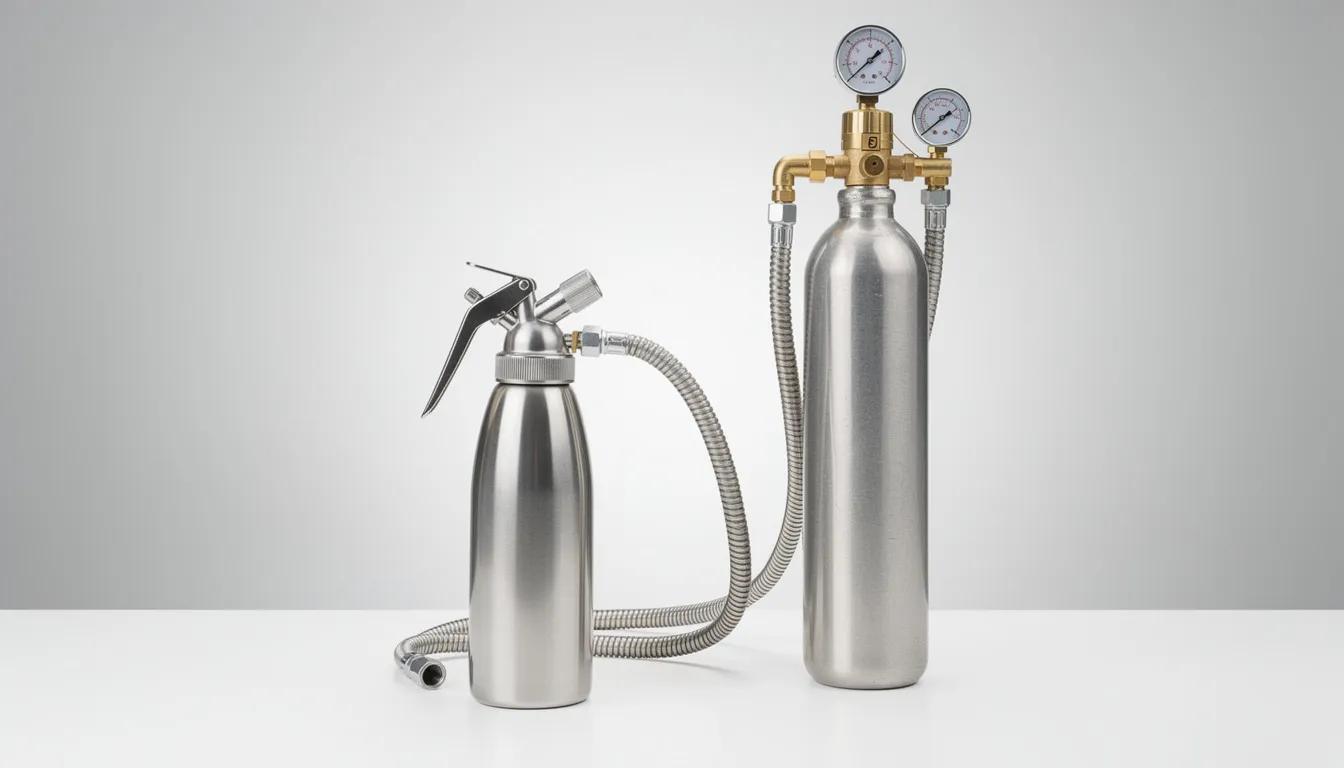
These cylinders connect to your existing cream whippers and soda syphons via a regulator and filling hose. The regulator attaches to the canister valve, while the hose runs to an adapter that fits the inlet of virtually all cream whippers from major brands. Once connected, you simply open the regulator to charge your siphon to the recommended pressure, rather than puncturing individual 8 g chargers one at a time.
The underlying gas is identical to what you find in traditional chargers—pure, food-grade nitrous oxide. The difference lies entirely in the format and workflow. With larger canisters, you gain efficiency and speed without sacrificing the quality of your whipped cream or foams.
Understanding canister capacity helps you estimate how long a cylinder will last and how many portions you can serve before needing to restock. For a busy café or cocktail bar, this calculation directly affects your ordering schedule and storage needs.
Here’s how the three common sizes compare:
To illustrate the practical value, consider a busy café service. A standard 0.5 L whipped cream dispenser typically requires around 8 g of nitrous oxide to produce approximately 1.5 litres of dispensed whipped cream (thanks to the 4–5x volume expansion). With a 615 g canister, you could potentially charge your dispenser 75+ times before the cylinder is empty—enough for hundreds of cappuccinos, desserts, and drinks across a full week of service.
All three sizes use the same food-grade N₂O, but they may come with different recommended fill pressures depending on the brand. Always check the included safety data and follow the manufacturer’s guidelines for maximum fill pressure when connecting to your regulator system.
The science behind nitrous oxide and whipped cream is elegantly simple. When N₂O is introduced into cream under pressure inside a sealed siphon, the gas dissolves into the cream’s fat globules and aqueous phase. Upon dispensing, the sudden pressure drop causes the dissolved gas to rapidly expand, forming thousands of tiny bubbles—often smaller than 100 microns—that give whipped cream its characteristic light, fluffy texture.
Here’s the step-by-step workflow for charging a whipper from a large canister:
Step 1: Attach the regulator securely to the nitrous oxide canister valve. Ensure the connection is tight and there are no audible leaks.
Step 2: Connect the filling hose from the regulator to your cream whipper using the appropriate adapter. Most systems are designed to simply connect directly to standard siphon inlets from brands like iSi, Mosa, or best whip-style dispensers.
Step 3: Fill your dispenser with chilled heavy cream (at least 28% fat content), sugar, and any flavourings. Do not exceed the max fill line—typically around 0.5 L in a 0.5 L whipper.
Step 4: Open the regulator valve to charge the siphon. Watch the pressure gauge and stop when you reach the recommended bars (usually 7–8 bars for standard whipped cream).
Step 5: Close the regulator, disconnect the filling hose, and give the dispenser 8–10 firm shakes to distribute the gas throughout the liquid.
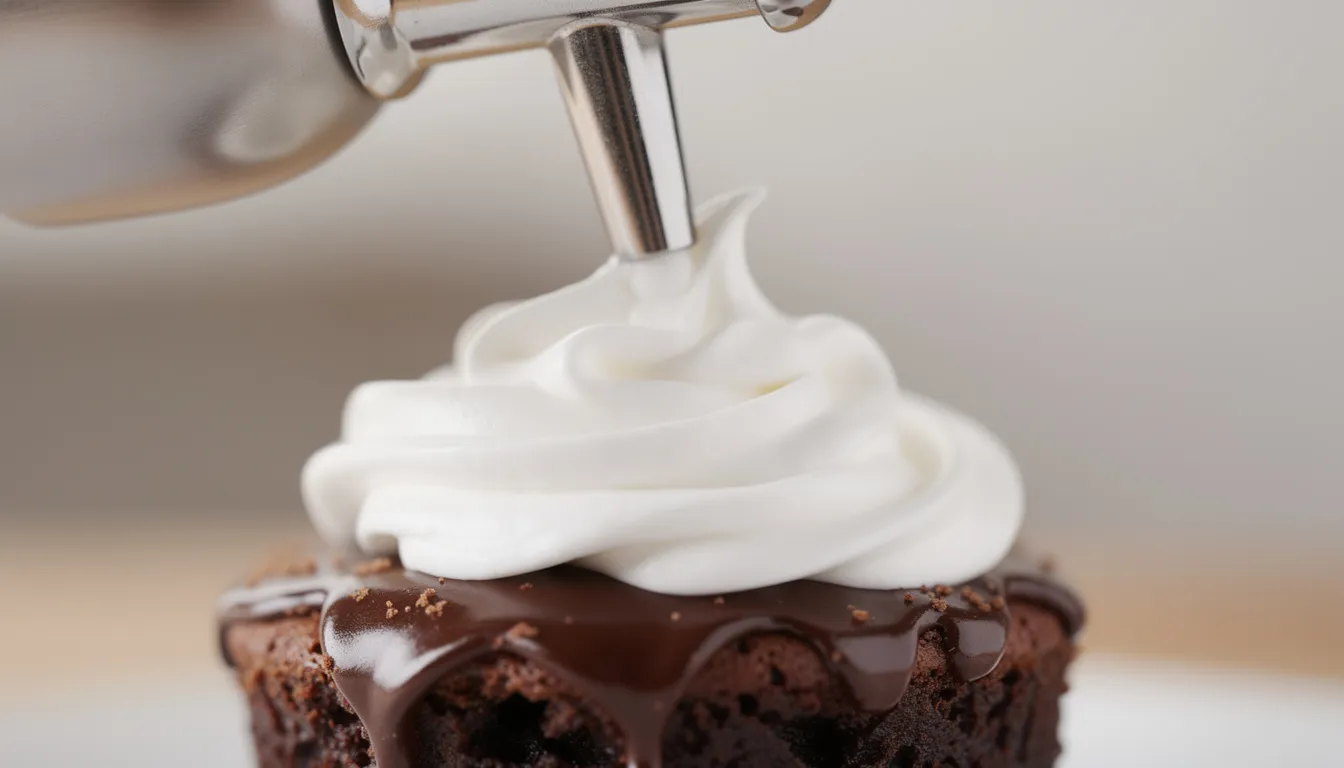
Step 6: Invert the dispenser, press the lever, and dispense through the nozzle.
Why nitrous oxide specifically? Unlike air or CO₂, N₂O is non-flammable, imparts no flavour to your cream, and has excellent solubility in both fat and water. It also has bacteriostatic properties, meaning it inhibits bacterial growth within the sealed dispenser—extending the shelf life of your prepared whipped cream. CO₂, by contrast, would make your cream taste sour and doesn’t dissolve as effectively in dairy fats.
Nitrous oxide whip cream canisters serve as a versatile tool for both high-volume hospitality venues and serious home cooks looking to elevate their dishes without investing hours of effort.
For professional settings, the advantages are substantial. Speed is perhaps the most obvious benefit—you can charge a 0.5–1 L siphon in just a few seconds, ready to top espresso drinks, desserts, or cocktails without delay during peak service.
Consistency matters when you’re serving hundreds of customers daily. Unlike hand-whipped cream, which varies with the person making it, a charged dispenser produces the same texture and volume every time. This reliability is essential for maintaining quality across busy brunch shifts or evening cocktail service.
Versatility extends well beyond simple whipped cream. Professional kitchens use cream whippers for flavoured foams, espumas, rapid infusions, and even aerated sauces. The same system that tops your warm drinks can also create cocktail foams for your bar program or light mousses for your pastry station.
Home cooks benefit from the same technology on a smaller scale. You can produce restaurant-style whipped cream and foams with minimal effort—no more sore arms from whisking or inconsistent results from electric beaters.
The extended storage capability is particularly valuable for home entertaining. Whipped cream stored in a refrigerated dispenser can last 7–10 days while maintaining its texture, meaning you can prepare ahead for holiday gatherings or weekend brunches without last-minute rushing.
Experimenting with modernist recipes becomes accessible too. Infuse spirits with herbs in minutes rather than weeks, create flavoured creams for coffee drinks, or prepare light foams to top your favourite dishes.
From a cost perspective, larger canisters generally offer a lower price per gram of N₂O compared to purchasing boxes of individual 8 g chargers. For customers who regularly produce more whipped cream, the savings accumulate quickly.
Modern nitrous oxide whip cream canisters are engineered to work with “universal” regulators and adapters compatible with most major whipper brands on the market. This cross-compatibility means you likely won’t need to replace your existing equipment when upgrading from small chargers to larger cylinders.
Typical compatible cream whippers include iSi Gourmet Whip and iSi Cream Profi Whip models, Mosa dispensers, Liss siphons, VonShef whippers, smart whip-style systems, and similar professional-grade units. Soda syphons designed for carbonation can also work with N₂O canisters in some cases, though you should verify this with the manufacturer before attempting.
Compatibility depends on several factors. First, check the thread type and size of your regulator—it must match the canister valve. Second, ensure you have the correct adapter for your specific siphon’s inlet, as these vary between brands. Third, verify the maximum pressure rating of your whipper, particularly if you plan to use it for warm applications where internal pressure increases.
Always follow these guidelines:
Nitrous oxide whip cream canisters are pressurized gas devices that require responsible handling. Understanding proper safety protocols protects both you and your staff while ensuring compliance with local regulations.
Do: Store cylinders upright in a cool, dry place away from direct heat sources. The recommended operating temperature is below approximately 50°C (122°F). Keep canisters in a well-ventilated area, ideally in a designated storage location within your kitchen.
Do: Only connect cylinders with regulators and hoses specifically designed for N₂O cream charging. Use an approved device and verify compatibility before first use.
Don’t: Tamper with valves, puncture canisters, or attempt to refill empty cylinders. These are non refillable by design for safety reasons.
Don’t: Expose canisters to open flames, hot surfaces, or leave them in warm vehicles during summer months. High pressure builds as temperature increases, creating potential hazards.
The nitrous oxide gas in these canisters is strictly for food preparation. Inhalation is dangerous and illegal in many jurisdictions. Misuse can cause oxygen deprivation, vitamin B12 deficiency with chronic exposure, or even fatalities from hypoxia.
Many regions—including parts of the UK and EU since 2023–2024—have implemented age restrictions and sales controls on nitrous oxide products. Some retailers now require age verification to purchase or sell nitrous oxide. Before you purchase, check your local regulations to ensure compliance.
Safe disposal requires fully discharging any remaining gas before recycling. Use the supplied discharge nozzle or regulator to vent gas safely, ideally outdoors or into a sink in a well-ventilated area.
Confirm the cylinder is completely empty by checking for any remaining sound or pressure when the valve is opened. Once verified empty, the steel cylinder can enter standard metal recycling streams. If your local facilities don’t accept gas cylinders, follow municipal guidance for proper disposal.
Important safety data is typically included with each canister—read and retain these documents for reference.
Nitrous oxide is a potent greenhouse gas with approximately 298 times the global warming potential of CO₂ over a 100-year period and an atmospheric lifetime of around 114 years. Minimising leaks and ensuring responsible disposal isn’t just good practice—it’s an environmental responsibility.
Larger canisters offer inherent environmental advantages over traditional 8 g chargers. A single 640 g cylinder replaces 80+ individual steel shells, dramatically reducing the total packaging waste generated. Less packaging also means lower transport volume per gram of gas, reducing the carbon footprint associated with delivery logistics. For business operations concerned about sustainability, this reduction in single-use items aligns with broader waste reduction goals.
Most quality nitrous oxide whip cream canisters are manufactured from 100% recyclable steel. Once properly emptied, they can be processed alongside other kitchen metals in standard recycling programs.
To practice eco-conscious use:
These kitchen-tested tips will help you achieve consistent results from any N₂O whip cream canister and siphon combination, whether you’re topping espresso drinks or creating modernist foam recipes.
Refrigerate both your cream and the siphon body for several hours before charging. Cold ingredients hold dissolved gas more effectively and whip more reliably. If your cream is even slightly warm, the resulting foam will be runny and collapse quickly. Many professional kitchens keep dedicated siphons in the refrigerator, ready for immediate use during service.
After charging, give your dispenser 8–10 firm shakes to distribute the liquified nitrous oxide throughout the liquid. For standard whipped cream, this is sufficient to produce consistent volume and texture.
Thicker preparations like cremeux or flavoured mousses may require additional shaking, but exercise caution. Over-shaking can break down the fat structure and push your cream toward a butter-like consistency. If your output seems too dense, reduce shaking on the next batch.
Granulated sugar can clog your nozzle and create inconsistent texture. Instead, use liquid sweeteners like simple syrup or agave, which integrate smoothly into the cream before charging.
When adding flavour extracts, coffee concentrates, or fruit purees, strain them thoroughly before combining with your cream. Any solid particles can block the dispenser’s valve system or discharge nozzle, leading to frustrating clogs mid-service.
Never overfill your siphon. Respect the max fill lines—typically around 0.5 L in a 0.5 L whipper. Overfilling leaves insufficient headspace for proper aeration and can cause liquid to spray when dispensing.
Thorough cleaning after every use is non-negotiable. Disassemble the nozzle, valve, lid, and charger holder components. Wash with warm soapy water and ensure all cream residue is removed before storage. Neglected cleaning leads to clogs, off-flavours, and hygiene issues that can affect your prepared dishes.
The “best” system depends entirely on your volume requirements, budget constraints, and intended applications. A home cook experimenting with weekend brunch recipes has different needs than a cocktail bar serving 200 covers nightly.
If you’re just starting out or your usage is occasional, traditional 8 g whipped cream chargers may still make sense. The initial investment is lower, storage is simpler, and you can experiment without committing to larger hardware.
Once you find yourself purchasing multiple boxes of chargers monthly, consider upgrading to 580–615 g cylinders. The break-even point typically arrives faster than expected, especially when factoring in reduced waste and the convenience of fewer stock reorders. Many home enthusiasts find a 580 g system provides the right balance of capacity and compact storage.
High-volume venues benefit most from 615 g or 640 g cylinders paired with a quality pressure regulator. During intense service periods—think Saturday night dinner service or wedding catering events—the ability to conveniently fill cream whippers without constantly swapping tiny cartridges translates directly to faster output and less staff frustration.
The investment in a proper regulator system (typically £50–150 including VAT) pays for itself through reduced per-gram costs and improved workflow efficiency. Look for regulators with clear pressure gauges that allow precise adjustment between 5–10 bars depending on your recipe needs.
Regardless of your volume, prioritise these factors:
This section addresses common questions not fully covered above, focusing on everyday use and safety for both professional and home users.
When kept refrigerated and handled hygienically, whipped cream can typically remain fresh in a siphon for about 7–10 days. The nitrous oxide’s bacteriostatic effect and the sealed environment help slow spoilage significantly compared to traditionally whipped cream, which may last only hours.
Always check the smell and appearance before serving, especially toward the end of this window. Aeration may diminish over time—a few extra shakes before dispensing can help restore some volume. If your dispenser has been left unrefrigerated for extended periods during service, discard the contents sooner rather than later.
Whipped cream dispensers designed for nitrous oxide should only be used with N₂O unless the manufacturer explicitly allows CO₂. Carbon dioxide creates a distinctly sour taste in dairy products because it forms carbonic acid on contact with moisture—not ideal for sweet whipped cream.
CO₂ is better suited to carbonating water and some drinks rather than whipping cream. Mixing gas types in one siphon is unsafe and can damage seals or unpredictably alter dispensing performance. Always check your whipper manual and gas specifications before experimenting.
Quality canisters are designed to hold high pressure over extended periods, so leaving a partially used cylinder connected to a closed regulator is generally acceptable when stored correctly. Close the regulator valve fully after use, disconnect the hose from the siphon, and store the cylinder upright in a cool, ventilated area.
Avoid storing near direct heat sources or in vehicles during hot weather, as temperature increases raise internal pressure. Check periodically for leaks by listening for hissing sounds near connections. Most manufacturers provide guidance on maximum storage duration after first opening—typically several weeks to months when properly sealed.
Some professional siphons—particularly certain iSi Gourmet Whip models—are rated for warm preparations up to specific temperatures (often around 50–70°C). However, many consumer-grade whippers are designed for cold use only.
Always verify your siphon’s temperature rating before using warm sauces, soups, or foams. N₂O behaviour changes with temperature, and overfilling or overheating can increase internal pressure beyond safe limits. When first exploring warm foams, test with small batches at moderate temperatures before scaling up.
First, safely release any remaining pressure by dispensing into a sink or container until gas flow stops completely. Then disassemble the siphon according to its manual.
Inspect and clean the nozzle, valve, and o ring seals thoroughly, looking for food residue or damaged gaskets that could cause leaks or blockages. Replace worn seals and ensure all threads are clean and properly aligned before reassembly.
If issues persist after cleaning and gasket replacement, stop using the dispenser and consult the manufacturer. Never attempt to compensate for a faulty siphon by increasing gas pressure from the canister—this creates additional safety risks without addressing the underlying problem.