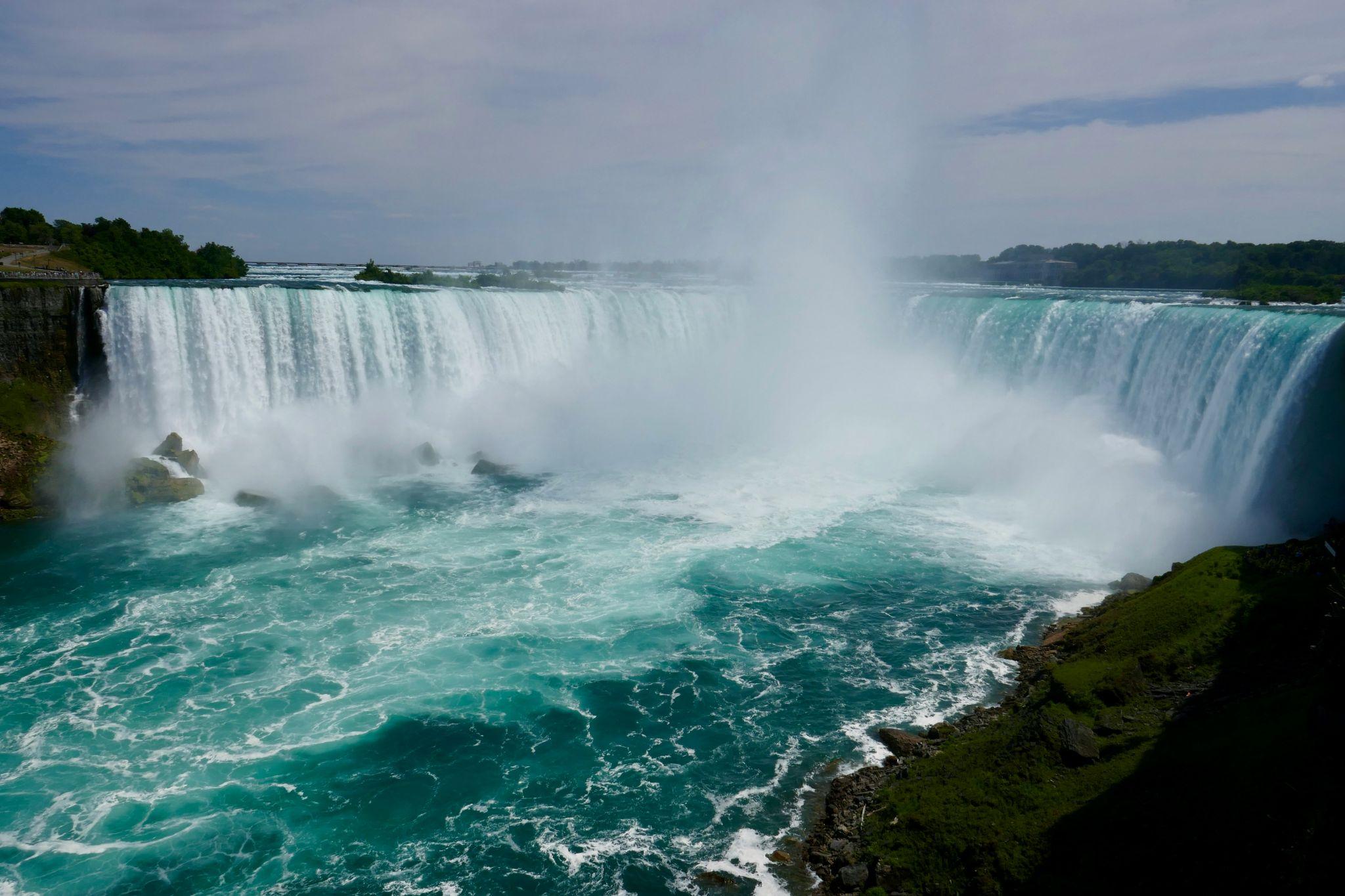
Niagara Falls has never struggled to attract visitors, but Ontario’s latest pitch is to keep them in town longer and spend more after the daytime view is checked off.
Premier Doug Ford’s Destination Niagara Strategy, announced in mid-December of last year, outlines a casino-and-attractions expansion plan to drive the region toward a year-round entertainment economy. The government has cited roughly 13 million annual visitors today and a target of about 25 million, with an estimate that the plan could add around $3 billion in annual GDP to Ontario. Much of the heavy lifting is expected to come from private capital, with public funding details still limited.
The logic behind Destination Niagara is familiar to tourism economists. Niagara already draws crowds, but provincial officials argue the region does not capture enough multi-night trips, especially outside peak season.
The strategy’s stated goal is to widen the reasons to stay by adding entertainment, dining, and cultural programming that sit alongside the falls rather than competing with them.
Ford has framed the project as an economic lever as much as a branding exercise. “Niagara has the potential to be a true tourism powerhouse, a world-class destination that drives Ontario’s economy and keeps tens of thousands of Ontario workers on the job, and we’re doing everything we can to unlock that potential,” he said at an event in the city.
Gaming sits close to the center of the plan. Niagara Falls already hosts major casinos on the Ontario side, and the wider region competes with established U.S. properties across the border for drive-in traffic.
On the Canadian side, the Niagara gaming bundle includes Fallsview Casino Resort and Casino Niagara, governed by the Ontario Lottery and Gaming Corporation and operated by Mohegan under an operating and services agreement that took effect in 2019.
The new strategy talks about complementing existing venues with additional casino development and larger, integrated-resort style proposals, including hotels and entertainment anchors designed to keep visitors on site. In recent coverage, BonusFinder framed the pitch as an attempt to pull more U.S. attention toward the Ontario side of the destination.
The geography does some of the marketing. The falls sit between Ontario and New York, and the plan is built to convert that cross-border visibility into deeper tourism spending.
One of the most concrete elements sits just upstream from the tourist corridor: the Toronto Power Generating Station. Niagara Parks says the building, completed in 1906 and decommissioned in 1974, is slated for redevelopment backed by more than $200 million in private investment through a public-private partnership.
Niagara Parks describes a program that includes a five-star boutique hotel, culinary venues, a craft brewery, a wellness spa, event space, a museum and art gallery, and a theatre.
The agency’s framing is explicit about balancing heritage and commerce. “The redevelopment of Toronto Power is the embodiment of Niagara Parks’ mandate in action – preserving a nationally significant heritage building that will grow tourism to Niagara and Ontario while generating new revenue for Niagara Parks as a self-funded organization,” it says.
Niagara Parks has also published early economic estimates for the project’s first nine years, including a projected $300 million GDP impact, 9,531 jobs created, and $98 million in tax revenue across three levels of government.
Destination Niagara is structured around more than gaming. Public coverage of the plan has pointed to proposals that include a new theme park, a large observation wheel, and expanded live entertainment.
Tourism trade reporting has also noted planned procurements with Niagara Parks tied to new attractions and redevelopments, including work around the Ontario Power Generating Station and upgrades to the Niagara Parks Marina.
The government has pointed to recent additions such as Niagara Takes Flight as a signal that demand exists for paid experiences that broaden the visit beyond viewing areas.
Tourism Minister Stan Cho has described the strategy as an economic and community project. “We are protecting Niagara’s globally recognized tourism sector and unlocking the region’s enormous potential as an economic engine of the province,” he said. “Through this strategy, our government is investing in Niagara’s broader prosperity, which will strengthen the communities, workers, and industries that keep our province moving.”
If the province is serious about a 25-million-visitor target, transportation becomes the enabling layer, not an afterthought.
The strategy references highway work in Niagara, including widening the Queen Elizabeth Way and twinning the Garden City Skyway, alongside increased GO service into the region.
Officials have also pointed to improving air access through the Niagara District Airport, with the aim of better connecting the region to international markets.
Behind the renderings sits the same unresolved question: how quickly the private money arrives, and what government is willing to fund directly.
Ford’s government has repeatedly described Destination Niagara as multi-billion-dollar, but coverage of the rollout has noted that specific allocations and timelines remain unclear, and major private commitments have not been announced.
Supporters have emphasized jobs, tax base, and the chance to diversify an economy that still swings with seasonality.
Critics have raised concerns about scale, community impact, and the risk that a Vegas-style buildout could change the character of a place that already strains under peak tourism.
For now, the strategy is a direction of travel. Whether it becomes a new casino hotspot or a more modest refresh will depend on procurement outcomes, financing, and how local communities respond as projects move from concept to construction.
Niagara Falls already has a global brand, and Ontario is betting that more gaming, more attractions, and more access can translate that brand into longer stays. The next phase will be measured less by slogans and more by signed deals, shovel-ready projects, and whether visitors actually choose to treat the border city as a multi-night entertainment destination.