
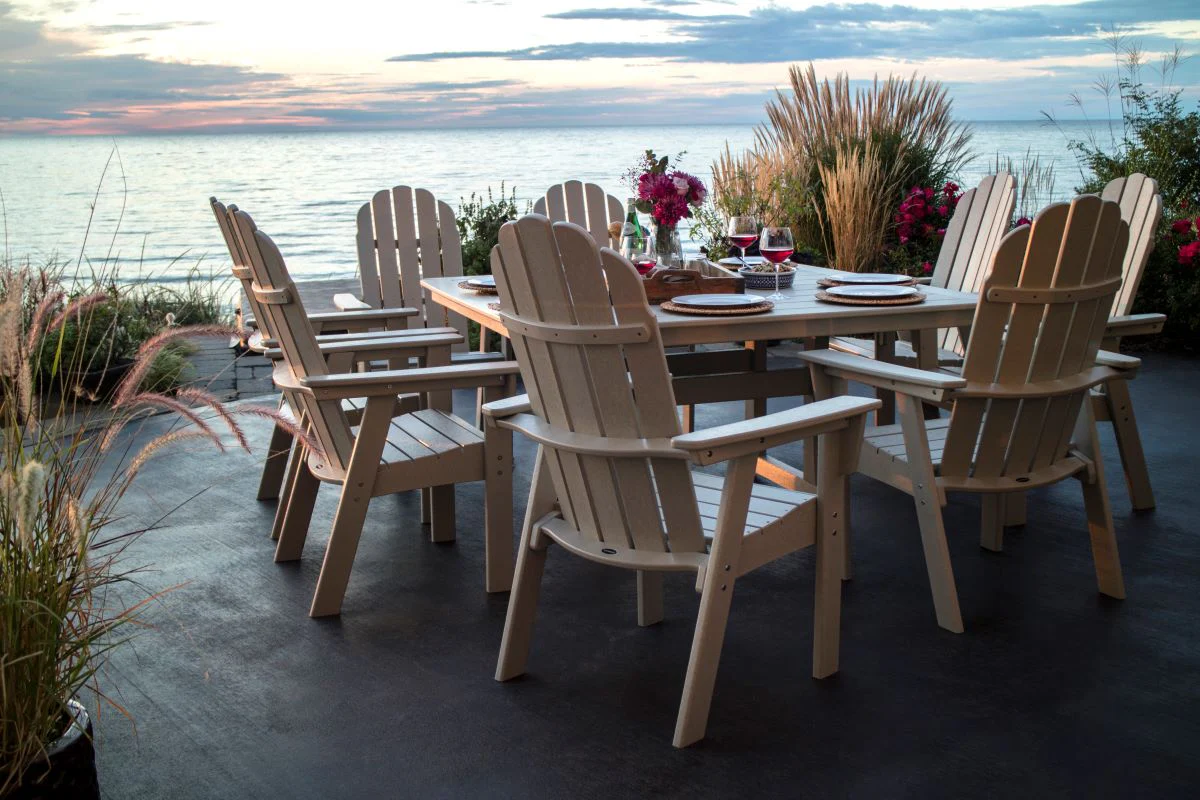
There is something about coastal living that changes the way you think about outdoor spaces. The air feels lighter, the light falls differently, and suddenly your patio is not just a place to sit; it becomes part of your everyday life. In a place like Sea Isle, where ocean breezes and salt air shape the environment, choosing the right patio table and chairs becomes more than a design decision. It becomes a practical one.
Walk outside on a summer morning, and you will notice it immediately. The furniture that works here is not just about looks. It is about durability, comfort, and how well it blends into the relaxed rhythm of coastal life. The wrong setup can fade, rust, or feel out of place within a single season. The right one can last for years while still looking effortless.
So how do you choose pieces that actually work in this environment, while still creating a space you enjoy spending time in?
Salt air is not kind. It eats away at weak coatings, rusts metal, and dries out untreated wood faster than most people think. That is why the first and most crucial step is to choose the right material.
Aluminum is often one of the safest choices. It doesn't rust, it's light enough to move around, and new powder coatings help it stay bright even when it's in the sun for a long time. It works, which is why you see it used a lot in seaside restaurants.
Teak is another popular choice, especially if you prefer a more natural, warm appearance. It has natural oils that repel moisture and bugs, making it perfect for salty, humid places. Over time, it develops a gentle gray patina that many people prefer.
The quality of resin and synthetic wicker materials has also improved significantly. They are made to seem like natural textures and not crack or fade. For a lot of homeowners, they are the right mix of flair and easy care.
If you are deciding between options, keep this in mind:
The goal is not just to pick something that looks good today. It is to choose something that will still look good after multiple seasons of sun, wind, and salt.
It is easy to focus on durability and forget comfort. Yet the most successful outdoor spaces feel just as inviting as indoor ones.
Take a moment to imagine how the space will actually be used: morning coffee, long dinners, casual gatherings with friends. The table height, chair support, and spacing all play a role in how comfortable those moments feel.
Chairs with supportive backs and slightly wider seats tend to encourage longer stays. Cushions can add softness, but they should be made from weather-resistant fabrics that dry quickly and resist mildew. Modern outdoor fabrics are designed to handle this, so there is no need to sacrifice comfort for practicality.
A well-chosen table also makes a difference. Round tables create a more social, conversational atmosphere, while rectangular tables are better for larger gatherings. In smaller patios, compact square tables can help maximize space without feeling crowded.
Comfort is not just about softness. It is about how natural the space feels when you use it.
Sea Isle has its own visual language, light tones, relaxed textures, and an easygoing feel that never tries too hard. Your patio furniture should reflect that.
Bright whites, soft grays, sandy beiges, and muted blues all work well in coastal settings. These colors reflect sunlight rather than absorb it, helping furniture stay cooler while blending into the surroundings.
Textures matter just as much. Smooth metal finishes can look modern and clean, while wood and woven materials add warmth and character. Mixing materials often creates the most balanced look.
You might notice that many coastal patios avoid overly bold or heavy designs. Instead, they lean toward simplicity, allowing the environment to do most of the visual work.
If you want your space to feel cohesive, think about how your furniture interacts with:
When everything works together, the patio starts to feel like a natural extension of the home rather than a separate area.
There is wind along the coast. Sometimes it's a faint wind, and other times it's strong enough to move light furniture if you're not careful.
This is where balance is crucial. Aluminum and other light materials are easy to work with, but they should still feel stable. When it's windy, tables with a strong base and seats that are a little heavy tend to work better.
Weighted bases or placing furniture against walls or railings in a smart way are two examples of anchoring alternatives that can help hold things in place without reducing flexibility.
Also, designing the space is important. When it's windy, a busy patio can feel like a mess. Leaving enough space between things makes it easier to walk about and keeps the place from looking congested.
Think of the layout as something that should come together effortlessly. You should be able to walk around without thinking about it.
One of the best things about modern patio furniture is that it doesn't need much care. This isn't simply a convenience in a seaside area; it's virtually a need.
Cleaning, sealing, or fixing things often can make an outdoor environment feel like a hassle. This is why many homeowners choose materials that require little care.
You can clean aluminum frames using just soap and water. Most of the time, resin materials only need cleaning now and then. Teak does not need to be treated to keep its original color, but it does need to be treated to stay structurally sound.
The goal is to spend less time taking care of the place and more time enjoying it.
Low upkeep doesn't mean uninteresting, though. Today's designs come in many different finishes, textures, and styles, so you can create a room that feels like yours without extra work.
When you step back and look at a well-designed coastal patio, it rarely feels complicated. That is part of its charm. Every piece seems to belong, every detail feels intentional, yet nothing feels forced.
Choosing the right patio table and chairs for coastal living in Sea Isle is really about balance. Durable materials that can handle the environment, comfortable designs that invite people to stay, and a style that reflects the calm, open feeling of the coast.
The best spaces are the ones you do not have to think about. You sit down, the chair feels right, the table fits the moment, and everything around you works quietly in the background.
That is when you know you chose well.