For many pool owners, the transition from warm summer days to cooler weather brings a bittersweet reality, the water temperature starts to drop, signaling the end of the swimming season. Traditionally, keeping a pool warm meant relying on expensive energy sources like gas or electricity, making it costly to extend swim time into the cooler months. Today, more owners are choosing to heat their pool with solar technology, a solution that’s efficient, eco-friendly, and budget-conscious. By capturing and using the sun’s free energy, solar pool heating systems maintain comfortable water temperatures for a longer portion of the year, allowing you to enjoy your pool investment while reducing environmental impact and ongoing energy costs.
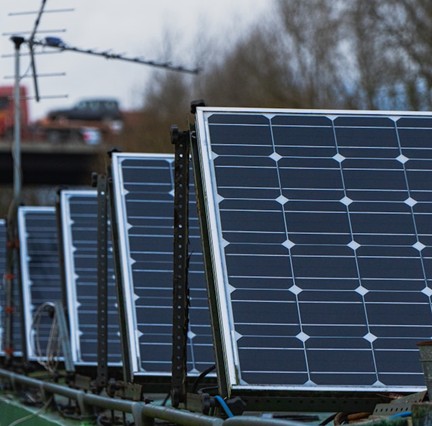
At its core, a solar pool heating system is designed to capture and transfer the sun’s energy into the water. The basic setup involves a series of solar collectors, typically mounted on a roof or another sun-exposed area, through which water is pumped. As the water passes through these collectors, it absorbs the sun’s heat before being returned to the pool. This cycle repeats continuously, gradually raising and maintaining the pool’s temperature.
The system operates using the pool’s existing pump, meaning there’s no need for extensive additional equipment. Advanced systems may include controllers and sensors to monitor the water temperature, automatically directing flow through the collectors when heating is needed and bypassing them when it’s not. This automation makes solar pool heating both convenient and efficient.
The primary advantage of a solar heating system for your pool is its ability to extend your swimming season without significantly increasing your utility bills. Unlike gas or electric heaters, which can be costly to run for extended periods, solar systems use free energy from the sun. While there is an initial investment in equipment and installation, the operating costs are minimal, making the system cost-effective over the long term.
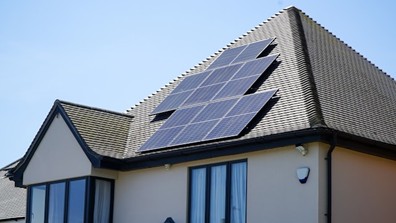
Beyond cost savings, solar heating is an environmentally responsible choice. It produces no greenhouse gas emissions during operation and reduces reliance on fossil fuels. For homeowners who already have rooftop solar panels for electricity, adding a solar pool heating system can further enhance the property’s overall sustainability profile.
To get the most out of a system, it’s important to ensure it is properly designed for your specific pool size, location, and climate. The surface area of the solar collectors is a critical factor, generally, the total collector area should be 50–100% of the pool’s surface area, depending on your desired temperature increase and seasonal use.
Placement is equally important. Collectors should be positioned where they receive maximum sunlight, ideally facing south in the Northern Hemisphere, with minimal shading from trees or buildings. A professional installer can evaluate your property to determine the best configuration.
The type of collector material also matters. In warmer climates where freezing is rare, unglazed collectors made of durable plastic or rubber are common. In cooler regions with occasional freezing temperatures, glazed collectors with a glass covering and copper tubing may be a better choice, as they are more efficient at retaining heat.
The cost of installing a solar pool heating system varies depending on factors like pool size, number of collectors, installation complexity, and local labor rates. On average, homeowners can expect to spend between $3,000 and $7,000 for a professionally installed system. While this may seem significant, it’s important to compare it to the ongoing costs of alternative heating methods. Gas heaters can add hundreds of dollars per month in fuel costs, while electric resistance heaters can be even more expensive to operate.
Solar systems have negligible operating costs once installed. In many cases, the system pays for itself within 3–7 years through energy savings alone. Additionally, some states and municipalities offer tax incentives or rebates for installing solar heating systems, further improving the return on investment.
One of the appealing aspects of solar pool heating is its low maintenance requirements. Because the system primarily consists of durable, weather-resistant materials and has few moving parts, it requires little upkeep beyond occasional cleaning and inspection.
It’s important to check the collectors periodically for debris, leaks, or damage and ensure the pump and valves are functioning properly. Most systems have a lifespan of 15–20 years or more, making them a long-lasting investment in your pool’s usability.
Even the most efficient solar pool heating system can lose effectiveness if heat escapes from the water faster than it can be replaced. The majority of heat loss from a pool occurs through evaporation, especially at night when temperatures drop. Using a pool cover, particularly a solar blanket, can dramatically improve heating efficiency by retaining warmth and reducing evaporation.
By combining solar heating with a high-quality pool cover, you can maintain a consistent water temperature and extend your swimming season even further.
The exact length of time you can extend your swimming season with solar heating depends on your location and climate. In warmer regions, such as the southern United States, solar heating can make swimming comfortable year-round. In cooler climates, the technology can add several weeks or even months to both ends of the season.
For example, in a temperate area without heating, the pool might only be comfortable for use from late May through early September. With solar heating, you could potentially start swimming in April and continue into October, effectively doubling the amount of time you can enjoy your pool.
While energy savings and cost reduction are often the main motivators for installing solar pool heating, there are broader environmental benefits to consider. By reducing dependence on nonrenewable energy sources, homeowners contribute to a decrease in carbon emissions. Solar heating also helps conserve resources by lowering the demand on local electrical grids, which can be particularly important during peak summer usage.
Additionally, solar pool heating systems operate silently and have no negative impact on air quality; advantages that align with the increasing demand for eco-friendly home improvements.
Deciding whether solar pool heating is the right choice depends on several factors, including your swimming habits, local climate, and available installation space. If you’re a frequent swimmer who wishes you could enjoy your pool for more of the year, solar heating can provide a practical and sustainable solution.
Homeowners in sunny regions will see the greatest benefit, but even in areas with moderate sunshine, a properly designed system can significantly improve water comfort levels. The long lifespan and minimal maintenance requirements also make solar heating an attractive option for those looking for a set-it-and-forget-it solution.
Extending your swimming season doesn’t have to mean higher energy bills or increased environmental impact. With an efficient solar pool heating system, you can take advantage of the sun’s free, abundant energy to keep your pool comfortable for months beyond the traditional swimming season. By investing in a properly designed and installed system, combining it with a pool cover for maximum efficiency, and maintaining it over the long term, you’ll enjoy more time in the water while saving money and reducing your carbon footprint.
For homeowners looking to get the most value from their pool, solar heating represents a smart, sustainable, and highly effective way to enhance the swimming experience. Whether your goal is to start your season earlier, swim later into the fall, or simply enjoy warmer water on cooler days, solar technology makes it possible, naturally and efficiently.