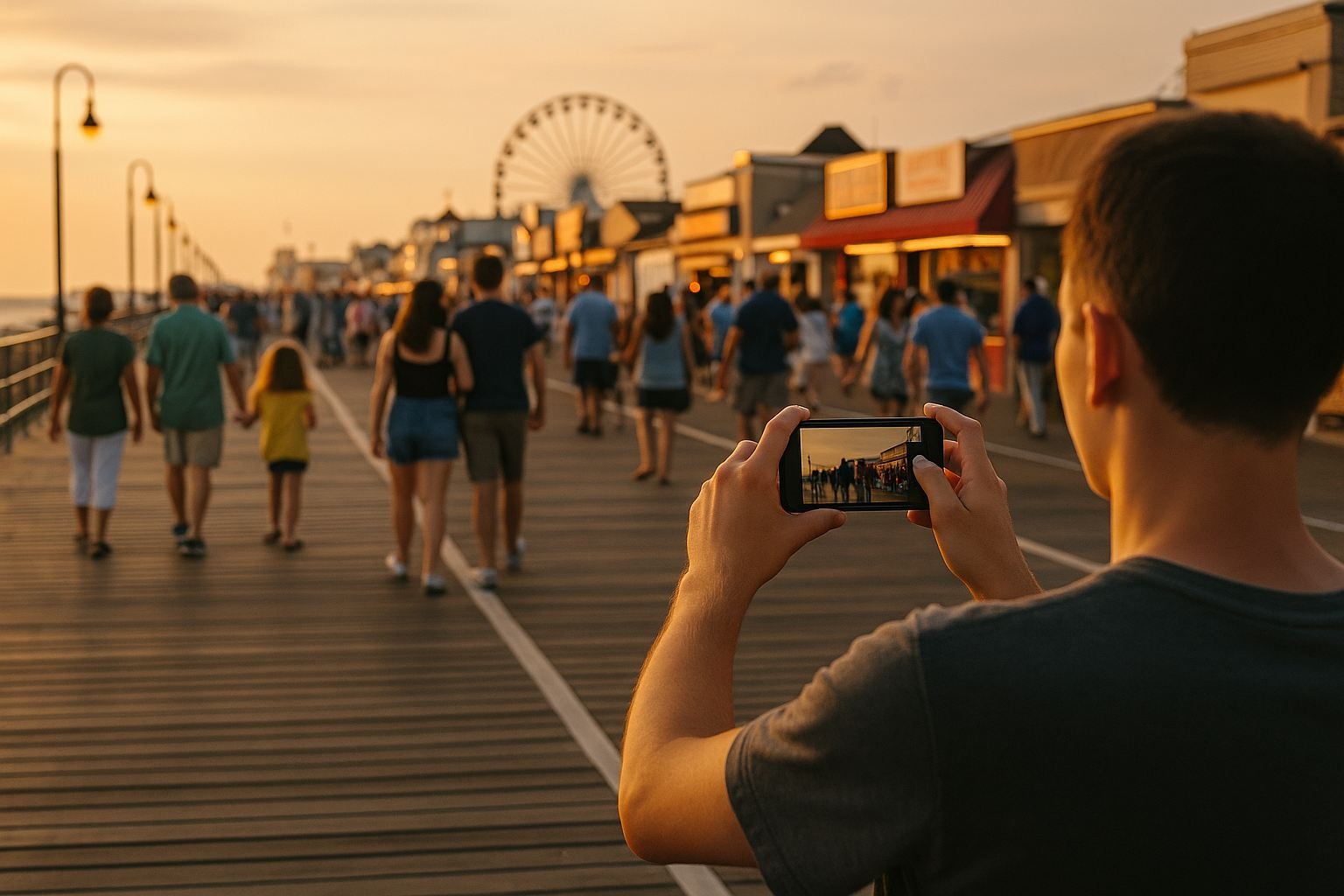
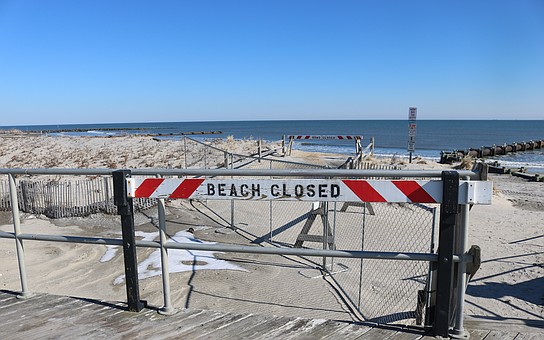
Walk the promenade on a warm evening and you’ll see the same routine again and again: kids racing toward the rides, someone juggling pizza and soda, a long line at the ice-cream window — and phones held up in every direction. A few hours later those quick clips reappear online, trimmed down, set to music, and often looking quite different from what came out of the camera. Some are turned into loose, sketch-style cartoons; others turn a simple couple selfie into a softer, more polished moment.
Part of this change comes from simple web tools that anyone can use. A creator can run a clip through a normal video to cartoon video converter and turn a walk on the beach into something that feels like a page from a travel comic. Couples and friends play with an AI kiss free generator when they want an anniversary post, a long-distance greeting, or a tongue-in-cheek joke to stand out a bit more in the feed.
These effects don’t replace the real outing. They’re closer to the way people once decorated photo albums with stickers and notes — another layer on top of the memory, not a substitute for it. And for smaller towns and shore communities, they’re quietly changing how local stories are saved and shared.
Not long ago, most vacation videos were shaky pans and a lot of wind noise. Now even casual users expect something closer to a tiny finished piece. Feeds move quickly, so a clip has to make its point right away:
Cartoon effects help with that. Viewers can tell at a glance that the post is meant to be playful rather than serious. Romance filters send their own message: this is a personal moment that’s been dressed up a little before being shared, not just raw phone footage tossed online.
For parents, there’s another benefit. Turning kids into stylized characters keeps the story of the day intact while taking some of the detail out of their faces and surroundings, which can feel a bit safer when posting publicly.
Talk to locals and the same examples come up again and again:
All of this can be done on a phone or laptop in spare moments, which is why it shows up so often now in local groups and family chats.
Romance filters may look light-hearted on screen, but they still involve real people. Used the wrong way they can feel pushy, so it helps to follow a few basic courtesies:
Treat the finished clip as a small note meant for someone, not as a trick to squeeze extra likes out of strangers.
The app handles the complicated part, but what you do while filming still shows up in the final look:
These choices aren’t complicated or technical. They just give the effect something neat and readable to work with, which shows in the final result.
Once you start experimenting it’s tempting to edit everything in sight. Taking a minute to stay organized now saves you digging through a mess later:
Good habits here matter more than any particular filter. They decide whether your videos are still easy to find and watch a few summers from now.
In towns ruled by the rise and fall of each season, these tools are slowly stitching together a different kind of memory book:
Underneath the filters and decorations, the aim hasn’t changed much. People still want to save the feeling of a moment — the noise from the arcade, sand stuck to everyone’s feet, the tired walk back to the car — and pass that feeling on to the people who weren’t there.
Used with a bit of care and common sense, today’s video effects don’t just follow a trend. They’re becoming part of how shore towns and small communities keep a record of their lives, one short clip at a time.