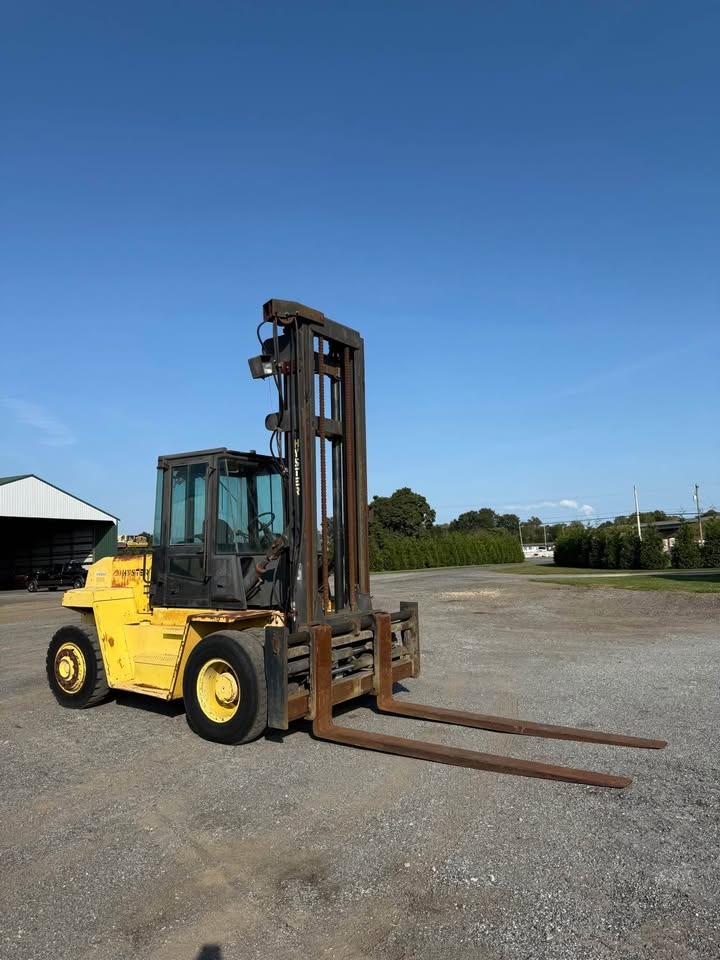
In today's competitive business environment, warehouse and logistics managers are constantly seeking ways to reduce operational costs without sacrificing efficiency or safety. One often-overlooked opportunity lies in the procurement of forklift parts. While original equipment manufacturer (OEM) parts have traditionally been the default choice, aftermarket forklift parts present a compelling alternative that can deliver substantial savings while maintaining the performance and reliability your operations demand.
Understanding the Cost Differential
The price gap between OEM and aftermarket forklift parts can be striking. Aftermarket parts typically cost 30 to 50 percent less than their OEM counterparts, with some components showing even more dramatic differences. This isn't a reflection of inferior quality but rather the elimination of brand premiums and streamlined distribution channels. When you consider that a single forklift might require multiple replacement parts throughout its service life, these savings compound quickly into significant annual cost reductions.
For businesses operating multiple forklifts, the mathematics become even more compelling. A fleet of ten forklifts requiring routine maintenance and occasional repairs could see annual parts expenses reduced by thousands of dollars simply by incorporating aftermarket components into their procurement strategy. Over the typical lifespan of a forklift, which can extend 15 to 20 years with proper maintenance, these savings can exceed the original purchase price of the equipment itself.
Quality Without Compromise
A common misconception is that lower prices automatically indicate lower quality. Modern aftermarket forklift parts manufacturers have invested heavily in engineering and quality control processes that match or exceed OEM standards. Many aftermarket suppliers are ISO certified and manufacture parts that meet stringent industry specifications. In fact, some OEM parts are actually produced by third-party manufacturers who also supply the aftermarket sector, meaning you might be getting an identical part at a fraction of the cost.
The competitive nature of the aftermarket industry also drives innovation and quality improvements. Manufacturers must differentiate themselves through superior products and service, often resulting in parts that incorporate the latest materials and manufacturing techniques. Many aftermarket suppliers offer warranties comparable to or better than OEM warranties, demonstrating their confidence in product durability and performance.
Inventory Management Advantages
Beyond direct cost savings, aftermarket parts offer significant inventory management benefits. With broader availability and multiple supplier options, procurement teams can maintain leaner inventory levels while still ensuring rapid access to necessary components. This reduces capital tied up in spare parts storage and minimizes the risk of obsolescence for slow-moving items.
The competitive aftermarket landscape also means faster delivery times in many cases. When a critical part fails and downtime costs are mounting, having access to multiple suppliers increases the likelihood of finding the needed component quickly. This availability advantage can translate into reduced downtime costs that far exceed the initial parts savings.
Strategic Sourcing Opportunities
Adopting aftermarket parts opens opportunities for strategic sourcing initiatives. Rather than being locked into a single supplier relationship, maintenance teams can evaluate multiple vendors, negotiate volume discounts, and build relationships with suppliers who understand their specific operational needs. This flexibility allows organizations to optimize their supply chain based on factors including price, delivery speed, technical support, and payment terms.
Furthermore, many aftermarket suppliers specialize in hard-to-find or obsolete parts for older equipment models. For companies operating aging forklift fleets, aftermarket sources may be the only viable option for keeping equipment operational, effectively extending asset life and delaying capital expenditures on replacement equipment.
Implementing a Balanced Approach
While aftermarket parts offer clear advantages, the smartest approach involves strategic decision-making rather than wholesale replacement of all OEM parts. Critical safety components, items under warranty, and specialized proprietary systems may warrant OEM parts to ensure compliance and optimal performance. However, common wear items like filters, hoses, bearings, tires, and brake components are excellent candidates for aftermarket substitution.
Developing a categorization system for parts procurement allows organizations to capture savings where they're most accessible while maintaining appropriate standards where necessary. Working with knowledgeable aftermarket suppliers who understand these distinctions helps ensure successful implementation of a cost-optimized parts strategy.
The Bottom Line
In an era when every dollar of operational savings contributes to competitive advantage, aftermarket forklift parts represent a proven strategy for reducing maintenance costs without compromising safety or performance. The combination of direct cost savings, improved inventory flexibility, and strategic sourcing opportunities makes aftermarket parts an essential consideration for any organization serious about optimizing their material handling operations. By thoughtfully incorporating quality aftermarket components into maintenance programs, businesses can redirect substantial savings toward other strategic priorities while maintaining the reliable forklift performance their operations depend on.