In Tasmania, homeowners are making changes to outdoor spaces as part of a growing push for sustainable suburban living. The state’s strategy document, Tasmania Positive: Our State’s Sustainability Strategy, explicitly calls on households to play a key role in reducing emissions and preserving local environments. Now the message is reaching garden sheds and driveways across Tasmania.
Backyards are shifting subtly from high-maintenance zones to low-impact, high-function areas. Smart garden structures, efficient layouts and quiet gardening equipment are gaining traction in residential properties. Indeed, for many Tasmanians these changes reflect a desire for improvements that benefit the environment and the people who live in it.
The backyard landscape is evolving in 3 key areas that are signaling a change of priorities in neighbourhoods:
As more Tasmanian households look for practical ways to reduce their environmental impact, garden layout is becoming a major focus. A well-planned garden can drive many benefits, including cutting water usage, limiting ongoing maintenance and creating healthier conditions for local wildlife and plants.
What are Tasmanians doing towards sustainable garden planning? They introduce thoughtful layouts to manage the challenges of the local climate. Gardens are designed with clear zones, bringing structured planting beds as a core response to heavy rain and seasonal temperature swings. It’s a change from the traditional sprawling lawns. In the end, smaller lawn areas and clearly defined planting zones are transforming garden maintenance and resource usage for the better.
Native and climate-ready plants support long-term sustainability in Tasmanian gardens. Species that are better suited to local conditions generally require less water, less fertliser and less proactive interventions than exotic plants.
Which native plants are winning the hearts of Tasmanian gardeners?
Native shrubs, grasses and groundcovers are proving especially popular because they add structure without extensive upkeep.
Perennials are being used to provide continuity in the garden through the colder months, ensuring colours and textures.
This also helps support the local wildlife that relies on native vegetation.
Homeowners are looking at ways to increase their living space with a minimum environmental footprint. The traditional home extension is changing and evolving, as Tasmanians consider alternatives that are less costly both for their wallets and the planet. Backyard pods have become one of the clearest signs of changing living habits across Tasmania.
Once seen as niche additions, these compact structures are now appearing in suburbs as a solution for more flexible space without the hassle of extension works. Pods can be used for a variety of functions, such as creating a quiet home office space at home but away from the main living areas or setting up a relaxing reading nook where you can enjoy a book undisturbed. As a small structure, they use less material and take less energy to build, and heat (or cool).
But beyond the practical functionality, there’s also a range of direct benefits that homeowners appreciate. The backyard pod requires less maintenance, which makes it work well within efficient garden planning. Backyard pod landscaping can definitely add an interesting twist to the usual garden layout.
Energy-efficient lighting is also becoming an important part of this low-impact trend.
Solar path lights are now common around pods, decks and garden entrances as households look to reduce power use. They can significantly improve nighttime safety.
Motion sensors are also increasingly replacing always-on fittings, which cuts unnecessary energy consumption while providing more controlled lighting for residents.
For many households, smart outdoor lighting is one of the simplest ways to make a backyard more functional without increasing environmental impact.
Electric garden tools are part of Tasmania’s shift toward quieter and cleaner outdoor living. As neighbourhoods become more aware of noise levels and emissions, many households are moving away from traditional petrol-fuelled equipment.
The appeal is partly practical, too. Electric equipment is easier to maintain with no risk of exhaust fumes, which makes it suitable for compact suburban layouts. Battery-powered design maximises flexibility because there are no cables or fuel storage needs. Naturally, these advantages encourage homeowners to rethink their garden care routines and switch to tools like an electric lawn mower for a cleaner environment.
As interest in sustainable living grows, the electric garden tool market is growing to become a mainstream option for the Tasmanian public.
More residents are adopting simple systems that keep organic matter on site and reduce pressure on landfills.
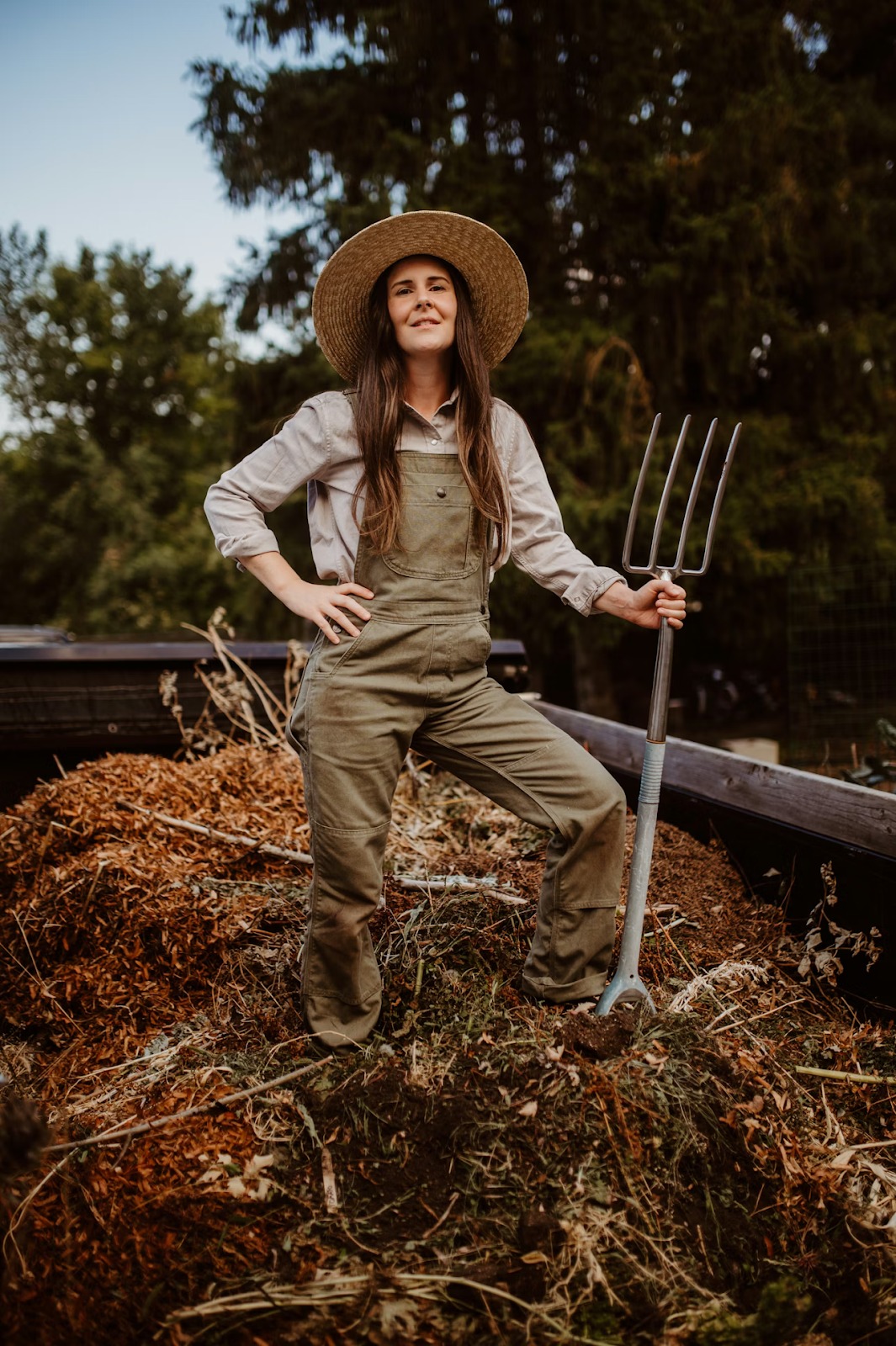
Composting has become one of the most common approaches, with food scraps and garden clippings being turned into nutrient-rich material. This same material supports soil health without the need for synthetic fertilisers. Green waste collection services remain important, but many Tasmanians are now trying to keep organic material within the garden where it can support long-term soil structure.
Reusing hard materials is another growing trend. Homeowners are repurposing old pavers, bricks and timber offcuts to create informal garden paths that blend well with low-impact layouts. These small design choices give gardens a practical and refreshed look without buying new materials.
Some households are also turning to recycled products, such as reclaimed timber panels, recycled stone and composite decking, which allow for durable upgrades with less environmental cost.
Tasmania’s push for sustainable suburban living is starting to give the backyard a whole new look. But at the same time, it’s also making people think about how they fit into the environment.
Low-impact structures and a general move towards using cleaner and greener solutions show how much difference people can make in their own homes. Suddenly, the responsibility for sustainability at a national level is shifting away from businesses and governmental bodies to be in the hands of the people. It’s a slow shift, but already more and more Tasmanians are beginning to see how much they could achieve in their own backyard.
This also puts things into new perspectives. What if the sky were never the limit of what is possible? What if the limit by set by each and every Tasmanian resident when they start taking control of their own environmental footprint?