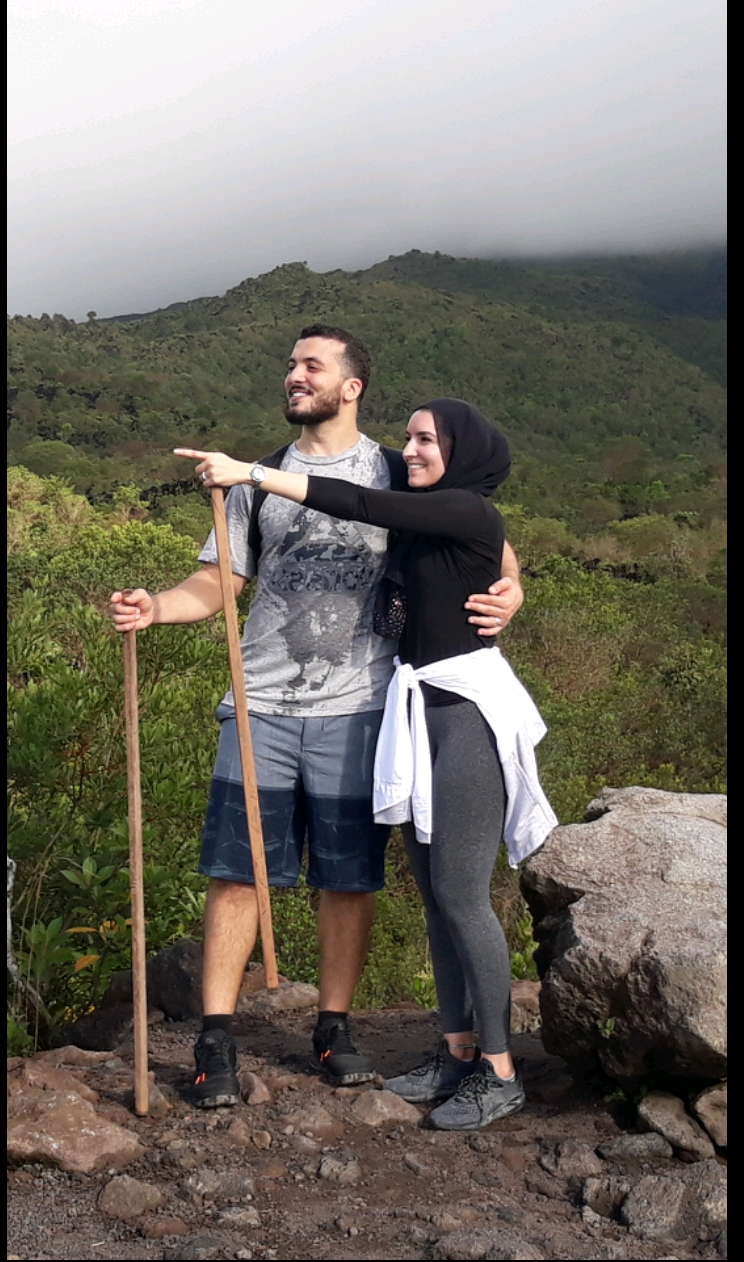
Jinan Erchid is a mission-driven leader whose work in global development and social impact is defined by empathy, collaboration, and a belief in the transformative power of accessible opportunity. With advanced training in international relations and public policy, she has spent more than fifteen years working with international institutions, government agencies, and nonprofit organizations to expand education, economic mobility, and gender-equity initiatives. Her approach blends analytical thinking with deep community partnership, centering solutions that uplift marginalized voices while strengthening local capacity. A respected mentor and advocate, Erchid remains committed to building sustainable systems of support and inspiring the next generation of change-makers.
Can you tell us about your upbringing and how it influenced your career path?
Growing up as the child of Syrian immigrants in the United States gave me a deep appreciation for both cultural diversity and the challenges that come with navigating multiple identities. My parents encouraged me to remain curious and open-minded, which led me to pursue studies in international affairs. Witnessing social and economic disparities in both countries pushed me to focus on work that bridges divides and creates opportunities for marginalized communities.
What motivated you to pursue a career in global development and social impact?
My motivation came from seeing firsthand how unequal access to resources, education, and opportunities can determine the trajectory of people’s lives. I realized early on that I wanted to contribute to systems change, not just provide short-term solutions. Working in global development allows me to collaborate with communities and institutions to design programs that have long-term, sustainable impact.
What are some pivotal moments or decisions that shaped your professional journey?
A pivotal moment was leading a cross-sector initiative focused on girls’ education in rural Morocco. Collaborating with local government, non-profits, and community members challenged me to think creatively about resource constraints and differing priorities.
How has your multicultural background informed your approach to leadership?
Navigating different cultural contexts has made me more empathetic and adaptable as a leader. I’ve learned that effective leadership often means stepping back and elevating the voices of others, especially those who may be overlooked. My background helps me anticipate challenges related to inclusion and communication, and encourages me to create environments where diverse perspectives are valued and integrated into decision-making.
What skills or mindsets do you consider essential for success in this field?
Curiosity, resilience, and a willingness to learn are essential. The field of global development is constantly evolving, and no two contexts are the same. It’s important to approach each challenge with humility and openness, while also being decisive when necessary. Analytical thinking and strong communication skills are also critical, both for building partnerships and for adapting strategies when circumstances change.
Could you share an example of a project that had a significant impact?
One project that stands out is an economic empowerment program for women entrepreneurs in Tunisia. We provided capacity-building workshops, access to micro-financing, and ongoing mentorship. Over time, many participants launched successful businesses, created jobs, and reinvested in their communities. The most rewarding aspect was witnessing participants gain confidence and advocate for themselves and others. It reinforced my belief that sustainable change happens when people have the tools and support to shape their own futures.
How do you stay grounded and motivated amid the challenges of your work?
I stay grounded by maintaining strong ties with the communities I serve and regularly reflecting on the purpose behind my work. Celebrating small wins helps keep me motivated, as does learning from setbacks. I also prioritize self-care and seek support from mentors and peers. Knowing that progress, however incremental, contributes to a bigger picture keeps me moving forward.
What do you see as the greatest challenges facing the global development sector today?
One of the greatest challenges is the complexity and interconnectedness of problems like poverty, climate change, and inequality. These issues cross borders and require collaboration among governments, NGOs, and the private sector. Another challenge is ensuring that development efforts are truly inclusive and responsive to the needs of the most vulnerable populations. There is also a growing need to adapt to rapidly changing contexts, whether due to political instability, health crises, or technological change.
In your experience, what strategies are most effective in achieving sustainable and measurable impact?
Effective strategies always start with listening to the communities involved and co-designing solutions with them. Measuring impact requires setting clear, achievable goals and regularly assessing progress with both qualitative and quantitative data. Partnerships are also crucial—when organizations align their resources and expertise, they can achieve more than working in isolation. Flexibility is important too; adapting strategies in response to feedback or changing circumstances is key to long-term success.
How do you approach working with diverse teams and stakeholders across different cultures and sectors?
I approach collaboration by emphasizing mutual respect and open communication. It’s important to create spaces where all voices are heard, especially those who may be less experienced or from underrepresented backgrounds. I pay close attention to cultural nuances and make an effort to understand what motivates each partner. Being clear about roles, expectations, and shared objectives helps build trust and keeps teams aligned, even when they are spread across the globe.
What professional achievements are you most proud of, and why?
I am proud of projects that have contributed to lasting change, such as expanding access to education for girls in rural Syria, or supporting women entrepreneurs in Syria to create economic opportunities in their communities. I am also proud of mentoring younger professionals and seeing them grow into confident, capable leaders. These achievements remind me that our work’s true measure lies in the positive changes experienced by individuals and communities.
What emerging trends or innovations in global development are you following closely?
I am particularly interested in the use of digital technology to enhance education, healthcare, and economic inclusion. Innovations such as mobile banking and e-learning platforms are opening up opportunities for people who were previously excluded. I’m also following efforts to localize development, giving more decision-making power to organizations and leaders within the countries where projects are taking place. Lastly, I’m paying attention to climate resilience initiatives that combine sustainability with social and economic development.
How do you envision the future of leadership in the social impact sector?
The future of leadership in this sector will require even greater empathy, adaptability, and cross-cultural understanding. Leaders will need to navigate uncertainty and foster environments where diversity and inclusion are not just values but daily practices. I also believe leaders must be able to bridge the gap between grassroots needs and policy frameworks, translating community insights into scalable, systemic solutions. Lifelong learning and mentorship will be essential components of effective leadership.
What advice would you offer to young professionals aspiring to work in global development?
My advice is to cultivate curiosity and resilience. Seek out opportunities for hands-on experience and don’t be afraid to take on challenging roles that push you outside your comfort zone. Build strong networks and learn from people with diverse backgrounds and expertise. Stay humble, be willing to learn from mistakes, and remember that meaningful change often takes time. Most importantly, stay connected to the communities you want to serve and let their voices guide your work.
Are there areas where you hope to focus your efforts in the coming years?
I hope to focus more on initiatives that combine economic empowerment with environmental sustainability, particularly in regions vulnerable to climate change. I am also interested in supporting the next generation of leaders in the social sector, especially women and people from underrepresented backgrounds. Continuing to promote partnerships that leverage technology for good is another area I plan to pursue, as I believe innovation will be central to addressing complex challenges in the years ahead.
What keeps you optimistic about the future of global development and social impact?
I remain optimistic because of the resilience and creativity I see in communities around the world. Even in the face of significant hardship, people find ways to support each other and create positive change. The growing emphasis on collaboration, inclusion, and innovation in the sector gives me hope. Progress may not always be linear, but every step forward—no matter how small—demonstrates the potential for transformative impact when people work together.
Conclusion
Erchid’s thoughtful responses highlight the importance of empathy, adaptability, and collaboration in the evolving field of global development. Her vision for the future centers on inclusive leadership, sustainable innovation, and empowering local voices. We would like to thank Jinan Erchid for sharing her insights and experience with our readers.